



FREESKY Blogs
Stay updated with the latest news, tips, and insights on e-bikes, technology, and sustainable riding through the FREESKY blog.
You May Also Like
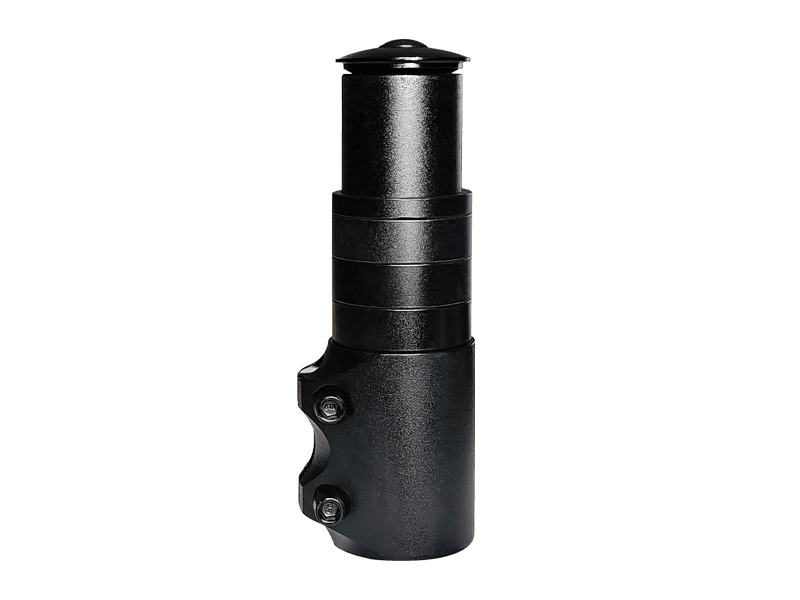
Stem Extender
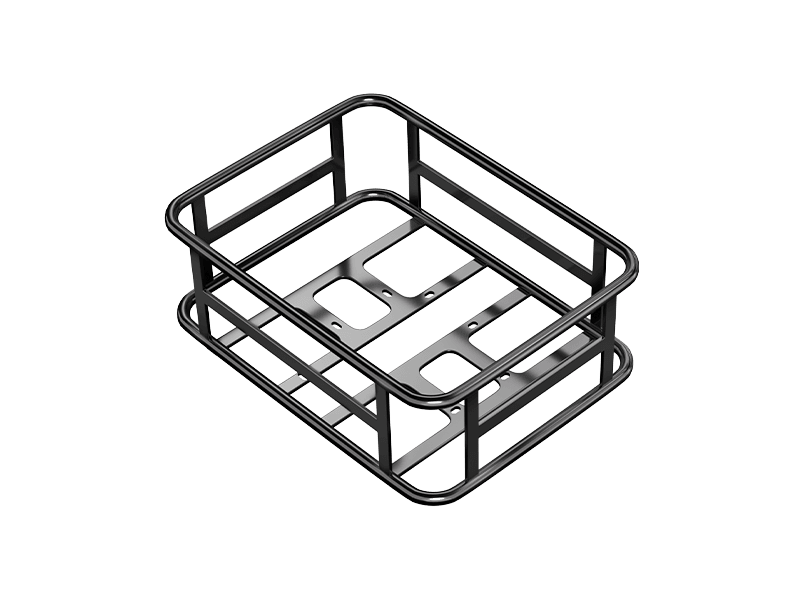
Rear Basket
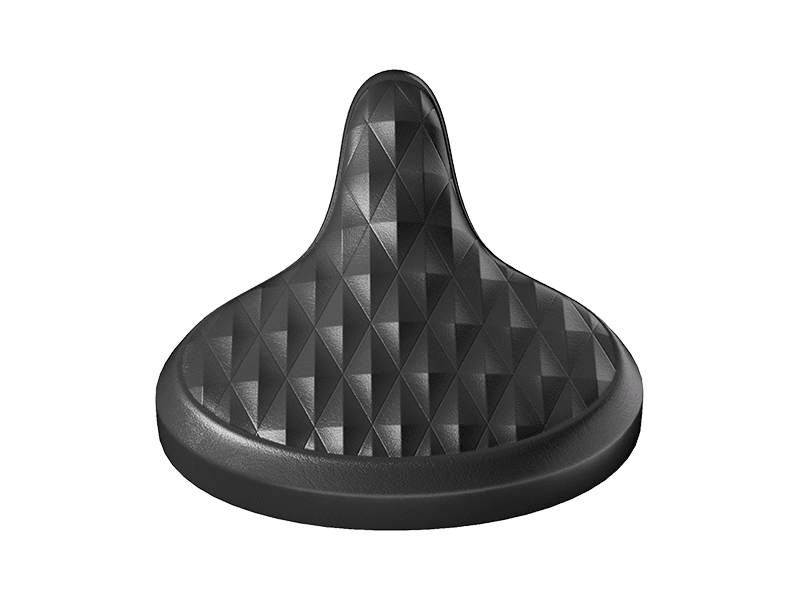
Oversized Comfortable Saddle


There's no item in your cart.
You May Also Like
Stem Extender
£35.00
Rear Basket
£89.00
Oversized Comfortable Saddle
£50.00
You're Saving £0.00
Shipping, taxes, and discount codes calculated at checkout.All Topics


Tips for Riding a Long Range E-Bike on Unpaved Roads
Apr 01, 2026 09:00
Long Range e-bikes are built for adventure and endurance. With high-capacity batteries, efficient motors, and stable frames, they let you cover more ground than a typical e-bike—gravel trails, forest paths, dirt roads, and even light off-road sections. But riding off the pavement isn’t just about battery life or speed—it’s about handling your bike efficiently. Here are practical tips to make the most of your Long Range e-bike on unpaved terrain. 1. Adjust Tire Pressure for Traction Tire pressure is crucial for stability and comfort. - On smooth roads: Maintain moderate pressure (20–25 PSI) to reduce rolling resistance. - On soft surfaces: Drop it to 10–15 PSI to increase the contact patch and improve grip. Lower pressure helps your tires float over sand, gravel, or loose dirt rather than digging in. It also acts as additional suspension for a smoother ride. Pro tip: Keep a portable pump and a digital gauge with you—you’ll often need to adjust pressure as conditions change. 2. Optimize Your Riding Position Your body is part of the suspension system. - Stand on the pedals over rough patches, keeping knees and elbows loose. - Shift weight back on descents to avoid the front wheel digging in. - Lean forward slightly when climbing loose hills to maintain traction. Think of your bike and body as a single unit—flexibility is key. 3. Use Pedal Assist Strategically Long Range e-bikes often have moderate to strong motors. Managing power is crucial on loose terrain. - On climbs: Apply steady pedal assist instead of sudden bursts to prevent wheel spin. - On descents: Reduce assist or turn it off; momentum alone may be enough. - On flat unpaved surfaces: Mid-level assist helps you cruise comfortably without losing control. 4. Scan the Terrain Ahead Anticipate changes to maintain stability. - Look 10–20 feet ahead to identify rocks, roots, soft sand, or washboard sections. - Stand and let the bike move beneath you on rough patches. - Keep momentum through deep sand or mud; stopping abruptly can cause you to sink. 5. Brake with Care Stopping on loose terrain requires anticipation. - Use both brakes gently. Heavy front braking can cause washouts. - Slow before corners, not during, then release brakes as you navigate the turn. - On descents, feather brakes rather than holding continuously to maintain control and prevent overheating. 6. Pick Your Line Carefully Unlike paved roads, unpaved trails require choosing your path. - Follow firmer surfaces like compact dirt, small gravel, or packed sand. - Avoid the center of tracks where loose material gathers. - Take wide lines into corners, apex late, exit smoothly—similar to dirt bike technique. 7. Gear Up for the Conditions Unpaved roads mean dust, mud, and low branches. - Wear protective glasses or tinted lenses. - Helmets with visors help block branches and sun glare. - Gloves with good grip reduce hand fatigue from vibration. 8. Bring Essentials for Remote Rides Breakdowns are trickier off-road. Pack: - Spare tube, patch kit, and tire levers - Mini pump or CO₂ inflator - Multi-tool with hex keys - Water and a snack - Phone and basic first aid Even long-range bikes can suffer from punctures or minor mechanical issues. 9. Know Your E-Bike’s Limits Not all long-range e-bikes handle every surface equally. - Match expectations to your bike. Some excel on fire roads, gravel trails, and moderate singletrack, but aren’t full-suspension mountain bikes for extreme downhill. - Learn your bike’s handling, weight distribution, and torque response on different surfaces. 10. Respect Nature Unpaved paths often run through sensitive areas. - Stay on designated trails to avoid damaging vegetation. - Avoid creating ruts in wet conditions. - Pack out everything you bring in. Final Thoughts: Confidence Grows with ExperienceRiding a long-range e-bike on unpaved roads is a skill developed gradually. Start with easy trails, then move to looser surfaces. Each ride teaches how your bike reacts, how to read the terrain, and how to move fluidly with your bike. With proper tire pressure, smart use of assist, and careful body positioning, you can explore further, ride longer, and enjoy every off-pavement adventure.
Read More

Ranger AIR Review: Real-World Power Meets Intelligent Riding
Mar 19, 2026 09:00
CLIMB. CRUISE. CONQUER. Specs alone don’t define a great eBike—real performance does. The FREESKY Ranger AIR delivers 35OOW dual motor power, AI-driven control, and long-range capability, all validated in real-world riding conditions. From steep climbs to city cruising, this eBike is designed for riders who demand power, versatility, and comfort. Watch Real Riders Test the Ranger AIR Instead of relying on marketing claims, see how the Ranger AIR performs in real-world conditions—from unboxing to hill climbs and long-distance rides. 1. Real Ride Test: Power, Range & Unexpected Moments @Hazers (214K followers) tested: - Dual motor acceleration and torque response - Real riding range (~31 miles under test conditions, ≈ 49.9 km) - Handling on mixed terrain - Practical observations and tips Takeaway: Power delivery is strong, smooth, and reliable. 👉 Watch Full Test & Shop Ranger AIR 2. Budget vs Performance: Is It Worth It? @citizencycle (53.5K followers) evaluated: - Value for money - Real-world usability - Comparison with other budget eBikes Takeaway: High performance without premium price. 👉 See Details & Buy Now 3. New Release Overview: First Impressions @Electric Vehicles Space (223K followers) highlighted: - Dual motor capability - Versatility across riding scenarios - Ideal for urban and off-road adventures Takeaway: Feature-rich, reliable, ready to ride. 👉 Explore & Purchase Ranger AIR 35OOW AI Dual Motor: Power That Adapts to You The Ranger AIR is powered by a 35OOW dual motor system delivering up to 200Nm torque, with AI-driven power distribution. Key benefits: - Automatically adjusts torque for terrain - Reduces rider effort by up to 20% - Handles 40° slopes and rough dirt roads with ease This makes riding effortless while maintaining full control. Experience Effortless Riding → Shop Now Up to 105 Miles Range: Built for Real Distance Equipped with a 48V 25Ah removable battery, the Ranger AIR can reach up to 105 miles(≈ 169 km) on a single charge. Advantages: - Long-distance commuting or adventure rides - 3A fast charging for minimal downtime - Detachable for indoor charging - BMS protection for battery safety Ride Farther with Ranger AIR → Order Today Full Suspension + Fat Tires: Comfort Across Terrain Designed for stability and comfort: - Adjustable hydraulic full suspension - 26” fat tires for traction - Step-through frame for easy mounting (fits riders 5’4”–6’8”, ≈162-203 cm) Benefits: - Absorbs over 90% of road vibrations - Stable and smooth on dirt, gravel, and pavement - Comfortable for long rides across all terrains Ride Smooth & Stable → Get Yours Now 7 Riding Modes: One Bike, Multiple Scenarios The Ranger AIR adapts to every situation with 7 riding modes: - Dual motor / single motor - Pedal assist - Throttle-only - Cruise control - Walk assist - Manual pedaling From steep climbs to casual cruising, switching is seamless. Customize Your Ride → Buy Ranger AIR Smart Features That Improve Daily Use - Advanced LCD display showing speed, battery level, and distance - NFC keyless unlock system for card or smartphone access - Simplified and secure daily operation Smart, Secure, Ready → Shop Now What Real Riders Say - “Amazing bike for the price. Impressive performance on a budget.” — Vitalie V.- “The bike is a beast. I bought it for the dual motor.” See Why Riders Love Ranger AIR → Order Here Final Verdict: Tested, Not Just Promised The FREESKY Ranger AIR combines: - 35OOW dual motor with 200Nm torque - AI-assisted riding system - Up to 105 miles (≈ 169 km) range - Full suspension and fat tires for comfort - Validated by real-world rider tests It’s powerful, versatile, and reliable—ready for commuting, off-road adventures, and everything in between. Conquer Any Terrain → Buy Ranger AIR Now
Read More

A Professional Racer’s Real-World Ride on FREESKY — Paul Rennie Rides the Warrior Pro at Lee Quarry and the Sankey Canal
Mar 15, 2026 09:00
I’m Paul Rennie, a professional racer, and most of my life revolves around speed, machines, and pushing equipment to its limits. Race circuits are familiar territory, but sometimes the best rides happen far away from the track. Recently, I started putting my Freesky Warrior Pro through what I’d call an extended real-world test across the rugged landscapes of northwest England. I bought the bike with a simple goal in mind — something capable of going anywhere. So far, it’s doing exactly that. A Baptism of Fire at Lee Quarry One of the first serious tests took place at Lee Quarry, a well-known riding spot in the northwest of the UK. If you’ve ridden there before, you’ll know it’s not exactly forgiving. The quarry is extremely steep and rocky, with loose surfaces that quickly show what a bike is made of. “It was a real baptism of fire at Lee Quarry,” I remember thinking. Before the ride, I replaced the rear suspension with an air rear shock absorber, and that upgrade proved worthwhile almost immediately. The terrain was brutal in places, but the Warrior Pro stayed stable and controlled across the rocky climbs and descents. By the end of the session, one thing was clear: “The Warrior has done everything I’ve asked of it — and more.” Exploring the Historic Sankey Canal The following ride couldn’t have been more different. Instead of hardcore quarry terrain, I headed out on an off-road exploration along the route of the old Sankey Canal, originally built in 1757. It’s widely considered the first canal constructed in Great Britain since Roman times, and the first designed specifically to serve the Industrial Revolution. Long stretches of the canal route still survive today. If you know where to look, there are plenty of visible reminders of Britain’s industrial past hidden along the trail. One of the highlights is riding beneath the impressive Sankey Viaduct, built by legendary engineer George Stephenson for the Liverpool and Manchester Railway — the world’s first intercity railway. Passing underneath it, you can’t help but feel surrounded by history. Mud, Water, and Real Trail Conditions It feels like it has been raining for months here in northwest England, and the trail conditions definitely reflected that. Large sections of the route were covered in deep mud and standing water, turning parts of the ride into a proper off-road challenge. But the Warrior Pro simply ploughed straight through it without breaking a sweat. The bike’s dual-motor, two-wheel-drive system makes a huge difference when things get messy. Instead of losing traction in the mud, the bike just keeps pushing forward with confidence. It also drew plenty of comments along the way. The Warrior Pro isn’t exactly subtle — it’s definitely a big bike with a big personality, and people tend to notice it. Ride Stats By the end of the ride: - Distance covered: 25 miles - Terrain: Quarry rock, muddy trails, and canal paths - Battery remaining: 78% Considering the challenging terrain and conditions, finishing the ride with that much battery left was impressive. Why the Warrior Pro Works for Challenging Terrain As someone used to high-performance machines, I appreciate equipment that performs under pressure. What stands out about the Freesky Warrior Pro is how confidently it handles difficult terrain. From steep rocky quarry climbs to mud-covered canal trails, the bike delivers the traction, stability, and power needed for real off-road riding. It’s exactly the kind of machine you want when the route ahead is unpredictable. Still Testing — and Still Impressed The Warrior Pro was purchased with one goal: a bike capable of going anywhere. So far, it’s living up to that expectation. From the brutal terrain of Lee Quarry to the muddy historic trails along the Sankey Canal, it continues to handle everything I throw at it. And the more I ride it, the more I enjoy it. The extended testing is definitely ongoing. Rider Profile Name: Paul RennieProfession: Professional RacerLocation: Northwest EnglandFavorite Terrain: Quarry Trails & Historic Canal RoutesBike: Freesky Warrior Pro “The more I ride this bike, the more I love it.” Discover the Freesky Warrior Pro Built for riders who want power, control, and the confidence to tackle challenging terrain, the Freesky Warrior Pro is designed for real off-road adventures — from rocky climbs to muddy trails. 👉 Start your own adventure beyond the pavement.
Read More

Ride Into a Cozy Evening Together eBike Date Ideas for Couples
Feb 13, 2026 03:06
Some of the best moments in life aren’t the ones we plan—they’re the ones we share. A quiet conversation over coffee, a walk in the park, or a gentle ride as the sun sets can create memories that last a lifetime. With an eBike, your date nights can transform from the ordinary into something special: a little adventure, a little fun, and a lot of connection. Here are some warm and easy ways to make your evenings together unforgettable. Picnic for Two One of the simplest joys of being together is sharing food outdoors. Pack your favorite treats—sandwiches, fresh fruit, maybe a little chocolate—into your eBike basket and ride to a quiet park, lakeside spot, or a hidden meadow. No traffic, no stress, just fresh air, laughter, and time to enjoy each other’s company. The beauty of an eBike is that you can go a little further than on foot, discover new corners of your city or nearby nature, and still feel relaxed. A picnic on wheels becomes more than just a meal—it’s an experience to savor together. Evening Stroll with Stops Turn your ride into a gentle evening adventure. Plan a route with small stops along the way—maybe a café for coffee, a bakery for a sweet treat, or a scenic viewpoint to pause and take it all in. Every stop becomes a moment to talk, laugh, and connect. The changing scenery keeps the evening fresh, and riding together gives you a shared rhythm, a sense of moving forward together. Sometimes, it’s the little pauses in between that make the most lasting memories. Memory Lane Ride Every couple has special places that hold meaning—where you first met, your favorite café, or a park you love visiting together. Turn these familiar spots into a personalized ride. Stop to take a photo, hold hands while walking your bikes, or simply sit and reminisce. Revisiting these places reminds you of your journey together and adds a touch of nostalgia and warmth to your evening. Sunset Moments Few things feel as magical as watching the sky change colors with someone you care about. Plan a ride along a route with a view, bring a blanket or warm layers, and pause to enjoy the sunset together. Add a thermos of tea or hot chocolate for extra comfort, and let the quiet moment sink in. It’s in these small, peaceful pauses that connection deepens and memories are made. Little Surprises Along the Way Date nights don’t have to be elaborate to be memorable. A small gift, a handwritten note, or even a favorite snack tucked into your basket can turn a simple ride into a heartfelt adventure. Sharing these little gestures while riding together creates warmth, joy, and a feeling of being thought of and appreciated. Start Your Cozy Ride Whether your partner has been cheering you on from the sidelines or you’re looking to make new memories together, now is the perfect time to hop on your eBikes and explore. From spontaneous picnics to sunset rides, every date can be an opportunity to slow down, enjoy the moment, and strengthen your bond. Discover our eBike deals and start planning your next cozy ride today.
Read More

Can You Ride an E-Bike in the Rain? Tips to Protect Your Commuter Bike
Feb 03, 2026 09:00
Riding an e-bike in the rain can be daunting for many commuters. Water, wet roads, and even winter salt can raise concerns about battery safety, rust, and long-term maintenance. The good news is: modern e-bikes are designed to handle wet conditions — with the right precautions, you can ride confidently and keep your bike in top shape. Here’s a practical guide to protecting your commuter bike when riding in the rain. Are E-Bikes Safe in the Rain? Many riders worry that rain can damage electronics or motors. While caution is always wise, most quality commuter e-bikes are built for wet conditions: - Sealed electrical components prevent water damage - Weather-resistant motors and controllers are designed to withstand splashes - Waterproof wiring and connectors keep systems running reliably As one Alaska Pro rider mentioned: “It’s out in all conditions. Never had a problem in rain or snow.” So yes, riding in the rain is generally safe — but routine care and protection habits are key to long-term reliability. 1. Protect the Battery From Rain and Road Salt The battery is the most valuable part of an e-bike. Exposure to water, salt, or mud can shorten its lifespan if not managed properly. Here’s how to protect it: - Use a battery cover: Shields the battery from direct rain and salt spray. - Check seals regularly: Ensure the cover and connectors stay tight. - Store indoors when possible: Remove the battery after wet rides if you can. A little preventive care goes a long way, especially in winter or coastal environments. 2. Wipe Down Your Bike After Wet Rides Even a quick wipe can prevent corrosion and keep your bike looking new: - Use a dry cloth to remove water from the frame, battery, and display - Pay attention to bolts, chain, and cassette - Avoid letting puddles or salt linger on metal parts A 2–3 minute routine after commuting in the rain can save hours of maintenance later. 3. Lube and Grease More Frequently Rain washes away lubrication, which can lead to wear or rust. To maintain smooth performance: - Lubricate the chain more often - Apply grease to exposed metal contact points - Check moving parts regularly for signs of rust or corrosion Think of this as preventive maintenance, not extra work. 4. Store Your E-Bike Properly How you store the bike after a wet ride matters as much as riding itself: - Store indoors or under a covered area - Avoid sealing a wet bike in an airtight space - Let it dry naturally before long-term storage - Remove the battery if possible and store in a dry, temperature-stable place Proper storage keeps electrical components safe and prevents long-term corrosion. 5. Additional Rain-Riding Tips - Fenders are your friend: Reduce mud and water splashing - Check tire pressure: Wet roads require slightly lower pressure for grip - Avoid puddles when possible: They may hide debris or potholes Final Thoughts Riding your e-bike in the rain doesn’t have to be stressful. With the right precautions: ✅ The bike is built for wet conditions ✅ Battery covers and proper storage protect electronics ✅ Quick wipe-downs and regular lube prevent rust ✅ Small maintenance routines keep your commuter reliable year-round By following these simple steps, your e-bike can safely serve as your daily commuter — rain or shine.
Read More

Choosing to Ride Through Winter: A Practical Look at FREESKY Fat Tire E-Bikes
Jan 15, 2026 09:00
Winter riding is often framed as a challenge.In practice, it’s a decision shaped by expectations, equipment, and daily habits. For riders who value consistency, winter doesn’t automatically end the riding season. With a suitable electric bike and a realistic approach, riding through colder months remains practical and manageable. Winter Riding Is a Choice, Not a Test Many riders stop cycling in winter not because it’s impossible, but because routines change. Shorter days and colder air alter riding patterns, yet they don’t remove the need for mobility or outdoor activity. Electric bikes reduce the physical barrier. Pedal assist helps regulate effort, making winter rides more predictable rather than exhausting. The focus shifts from performance to continuity. Where Fat Tires Help in Winter Conditions FREESKY fat tire electric bikes are equipped with 26” × 4.0” tires, designed to increase surface contact and stability on uneven terrain. In winter, this wider footprint helps riders maintain balance on wet pavement, slush, and rough road surfaces. While these are not studded snow tires, fat tires offer a more forgiving ride when conditions are variable, especially in urban and suburban environments. Understanding the Limits of Winter Riding Winter riding works best when expectations are realistic. Ice, heavily compacted snow, and extreme weather always require caution. Adjusting riding speed, maintaining smooth braking, and monitoring tire pressure all contribute to safer winter rides. A stable setup supports confidence, but rider judgment remains essential. Who Winter E-Bike Riding Is Suitable For Winter e-bike riding suits riders who prioritize steady routines over speed. Daily commuters, casual riders, and those using their e-bike for short trips often find winter riding manageable with proper planning. Rather than chasing distance or performance, winter riders tend to value reliability and comfort—areas where fat tire electric bikes perform consistently. Why Some Riders Prefer Winter Riding Fewer cars, quieter streets, and less crowded paths change the riding experience. Winter riding often feels more deliberate and less rushed. For some riders, this quieter environment becomes a reason to continue riding rather than pause. Riding through winter maintains momentum and makes the transition into spring feel natural rather than like a restart. Riding Without Waiting Winter doesn’t need to be treated as a gap between riding seasons. Choosing to ride through winter is simply choosing continuity. With the right mindset and a practical electric bike setup, riding remains part of everyday life—regardless of the calendar. 👉 Explore FREESKY Fat Tire Electric Bikes
Read More

How to Ride an Electric Bike for the First Time A Beginner’s Guide
Jan 12, 2026 09:00
Riding an electric bike for the first time is an exciting experience. While e-bikes look similar to traditional bicycles, the added motor and battery change how they behave on the road. The good news is that you don’t need special skills to get started—just a clear understanding of how the system works and a few basic riding techniques. This guide walks you through everything you need to know, from choosing the right e-bike to riding safely in traffic and handling common issues. Preparing Your E-bike Before the First Ride A proper setup ensures comfort, control, and safety. Before you ride, take time to understand your e-bike type, adjust the fit, and check that all components are working correctly. Choosing the Right Type of E-bike E-bikes are designed for different riding scenarios: - Commuter e-bikes are ideal for daily city travel. They often include racks, fenders, and comfortable riding positions. - Electric mountain bikes (e-MTBs) feature reinforced frames and suspension systems for off-road trails and uneven terrain. - Folding e-bikes are compact and practical for riders with limited storage space or frequent public transport use. Selecting the correct size is just as important as choosing the right category. When standing over the frame, you should be able to touch the ground comfortably. While seated, your leg should extend almost fully at the lowest pedal position, with a slight bend at the knee. A short test ride helps confirm whether adjustments are needed. Understanding the Key Components of an E-bike Most electric bikes rely on four core components working together: - Motor: Positioned either in the wheel hub or near the pedals (mid-drive), providing assistance as you ride. - Battery: Mounted on the frame or rear rack, supplying power to the motor. - Display: Shows speed, battery status, and assistance level. - Control unit: Handlebar-mounted buttons for adjusting assist modes and, on some models, activating a throttle. Knowing where these parts are and how they interact will make your first ride more predictable and controlled. Essential Safety Gear for E-bike Riders Safety should always come first, especially when riding a faster, heavier bike. Recommended gear includes: - Helmet: Properly fitted, sitting level on your head and secure under the chin. - Gloves: Improve grip and protect your hands. - High-visibility clothing: Bright or reflective apparel helps others see you in traffic or low-light conditions. In addition, familiarize yourself with local e-bike regulations. Speed limits, access to bike paths, and equipment requirements vary by region. Before every ride, perform a quick inspection: test the brakes, confirm the battery is locked in place, and inflate the tires to the recommended pressure listed on the sidewall. Starting and Stopping an Electric Bike Safely Mastering basic handling is essential for building confidence. Mounting and Dismounting Because e-bikes weigh more than traditional bicycles, stability is key: 1.Hold both brake levers firmly. 2.Stand beside the bike and keep it upright. 3.Swing one leg over the frame and sit down. 4.Place your feet on the pedals only when ready to move. When stopping or dismounting, reverse the process and keep the brakes engaged to prevent unexpected movement. Using Power Assist and Throttle Control Once powered on, start with the lowest assistance level. This allows you to get used to how the motor responds to pedaling. Typical assist levels work as follows: - Low assist: Best for flat roads and conserving battery. - Medium assist: Suitable for mild hills and steady cruising. - High assist: Designed for steep climbs, strong headwinds, or faster acceleration. If your e-bike includes a throttle, use it cautiously. Throttles deliver instant power and can be helpful in specific situations, but pedal assist is generally more efficient and easier to control, especially in crowded areas. Improving Your Riding Skills on an E-bike Once you’re comfortable with the basics, refining your technique will improve safety and performance. Turning and Cornering Approach corners with reduced speed and lower assist levels. Keep your inside pedal raised and look through the turn toward your exit path. Smooth, controlled movements help maintain balance and traction. Riding on Different Surfaces - Loose gravel: Slightly lift off the saddle and relax your arms to absorb vibrations. - Wet pavement: Brake earlier, reduce assist, and avoid sharp turns. - Uphill climbs: Shift to a lower gear before the incline begins. - Downhill sections: Use light, intermittent braking rather than continuous pressure to maintain control. Extending Battery Range Efficient riding habits can significantly increase your range: - Use higher assist only when necessary. - Take advantage of downhill sections by reducing or turning off assistance. - Anticipate stops to avoid frequent acceleration. - Consider wind direction when planning longer routes. Smart energy management not only extends battery life but also creates a smoother riding experience. Traffic Rules and Shared Path Etiquette In most regions, e-bike riders follow the same traffic laws as traditional cyclists. Obey traffic signals, use bike lanes where available, and ride predictably. When sharing paths with pedestrians: - Yield to walkers. - Signal your presence verbally or with a bell. - Pass slowly and only when there is enough space. Always remain aware that e-bikes are quieter and faster than regular bikes, which means others may not notice you approaching. Solving Common E-bike Issues Battery Runs Out Mid-Ride If the battery is depleted, the bike still functions normally—just without assistance. Shift to an easier gear, pace yourself, and consider planning routes with backup options such as bike shops or public transport. Unusual Noises Routine maintenance can prevent most problems: - Keep the chain clean and lubricated. - Check tire pressure regularly. - Clean brake rotors if you hear squealing. - Wipe battery contacts occasionally to ensure good connection. Performance Feels Off Seek professional service if you notice braking issues, inconsistent motor output, or unusual vibrations. Electrical and mechanical systems are best handled by experienced technicians. Enjoy Your E-bike Experience Electric bikes make cycling more accessible, efficient, and enjoyable. With a basic understanding of the components, proper safety habits, and steady practice, most riders gain confidence quickly. Whether you’re commuting, exploring trails, or riding for leisure, an e-bike opens up new possibilities. If you’re still unsure, visiting a local bike shop or renting an e-bike for a short ride is an excellent way to experience the benefits firsthand. Once you start riding, it often becomes a habit you look forward to every day 🚲✨
Read More

Rider Story: Rekindling My Love for Biking
Jan 09, 2026 09:00
Mountain biking was a huge part of my youth, but I never imagined I’d be back on the saddle—especially not on an e-MTB. Deciding to get one, though, turned out to be one of the best choices I’ve ever made. It started as a simple plan: a one-hour ride with friends. But soon, the path stretched farther than I expected. Four hours later, we had ridden through twisting off-road trails, smooth pavement, and hidden corners of our town we’d never explored. Each turn felt like discovering a secret. We stopped for food, lingered at scenic spots, and just let the ride unfold. Your browser does not support the video tag. At one moment, we stumbled upon a narrow road tucked between valleys. The air was sharp and cold, cutting through my jacket. As the wind hit my face, I felt a rush of freedom and presence that’s hard to put into words—a rare, alive kind of gratitude that only comes when you’re truly in the moment. Your browser does not support the video tag. We even chased what we thought would be a shortcut back. It wasn’t. Dead end. Tired and freezing, we turned back, but laughter kept us warm. By the end, our hands numb and legs aching, the sun had softened the chill. It was a long ride, cold yet exhilarating, full of unexpected detours and moments of pure joy. Every mile was unforgettable—and completely worth it.
Read More

What’s the Difference Between a 750W and a 1000W E-Bike Motor?
Jan 09, 2026 09:00
Choosing an e-bike often comes down to one key question: 750W or 1000W?At first glance, the numbers may seem close, but the difference in motor power can significantly affect how an e-bike feels on the road—or on the trail 🚲. Motor wattage influences acceleration, climbing ability, top speed, and even long-term riding comfort. Whether you’re commuting through city streets or tackling steep off-road terrain, understanding these differences will help you choose the right setup for your riding style. What Does Motor Wattage Actually Mean? Motor wattage (measured in watts, W) indicates how much power an e-bike motor can deliver. In simple terms, it reflects how much assistance the motor can provide per second. Higher wattage generally means: - Stronger acceleration - Better hill-climbing ability - Higher potential top speed The reason the market commonly offers 750W and 1000W options comes down to three factors: - Different riding scenarios and user needs - Regional regulations and legal limits - Balancing performance with energy efficiency Unlike traditional bicycles that rely solely on pedaling, an e-bike’s wattage plays a major role in defining the overall riding experience. Performance Comparison: Power vs Efficiency Top Speed & Acceleration - 750W e-bikes typically reach 20–28 mph (32–45 km/h) - 1000W e-bikes can reach 28–35 mph (45–56 km/h) when unrestricted Acceleration also differs noticeably: - 1000W models often reach 20 mph in 8–10 seconds - 750W models usually take 12–15 seconds to reach the same speed This difference becomes especially clear when starting from a stop or riding uphill. Power Output & Torque 750W Motor - Peak output: ~750W - Cruising power at 15 mph: 400–500W - Maximum torque: ~65 Nm 1000W Motor - Peak output: ~1000W - Cruising power at 15 mph: 600–700W - Maximum torque: up to ~85 Nm Higher torque means stronger pulling power, which matters on steep climbs, loose surfaces, or when carrying extra weight. Environmental Factors That Affect Motor Performance Both motor types are influenced by external conditions: - Temperature: Best performance between 60–80°F (15–27°C) - Elevation: Power drops about 3% per 1,000 ft of altitude - Wind: A 15 mph headwind can reduce top speed by 20–25% - Road conditions: Wet or loose terrain may reduce efficiency by 10–15% While both systems remain reliable, a 1000W motor provides more margin under demanding conditions, at the cost of higher energy use. Battery Life: It’s About Capacity, Not Just Wattage Battery Size Matters More Than Motor Rating A common misconception is that higher wattage automatically means shorter range. In reality, battery capacity (Wh) is the key factor. Typical examples: - 750W e-bike: 48V 15Ah battery ≈ 720Wh - 1000W e-bike: 48V 20Ah battery ≈ 960Wh Manufacturers usually pair higher-power motors with larger batteries to compensate for energy demand. Real-World Range Expectations In everyday city riding: - Both 750W and 1000W e-bikes can achieve similar ranges when batteries are sized appropriately - Frequent full-throttle riding reduces range on both - Hills, wind, and rider weight affect range regardless of motor size Key takeaway: Don’t judge range by motor wattage alone—always check battery capacity. Cost and Weight Differences Higher Power, Higher Cost 1000W e-bikes are generally more expensive due to: - More powerful motors - Larger, costlier batteries - Reinforced frames - Stronger brakes and upgraded components Maintenance costs can also be higher, especially when replacing larger batteries over time. Added Weight - 750W e-bikes: ~45–55 lbs - 1000W e-bikes: ~55–65 lbs The extra weight mainly comes from the motor, battery, and reinforced structure. This can make a difference when lifting the bike, carrying it upstairs, or maneuvering at low speeds without motor assistance. Which One Is Right for You? 750W E-Bikes: Ideal for Daily Riding Best suited for: - City commuting - Bike lanes and urban traffic - Riders prioritizing efficiency and lighter handling They offer a balanced mix of power, range, and compliance with local regulations 👍. 1000W E-Bikes: Built for Demanding Conditions Best suited for: - Steep hills and mountain roads - Off-road trails and rough terrain - Heavier riders or frequent cargo loads You get stronger performance and faster acceleration, with the trade-off of higher cost, weight, and energy use. Final Thoughts: Choose Power Based on How You Ride The right motor isn’t about choosing the biggest number—it’s about matching power to real-world use. - Choose 750W if you value efficiency, lighter weight, and daily practicality - Choose 1000W if you regularly face steep climbs, heavy loads, or challenging terrain Consider your riding environment, local regulations, and budget before deciding. The right choice will make every ride smoother, safer, and more enjoyable 🚴.
Read More
| Product Title |
| Price |
| Color |
| Frame Style |
| Mode |
| Power |
| Battery Capacity |
| Charging Time |
| Assist Speed |
| Range |
| Rider Height |
| Rear Derailleur |
| Front Fork |
| Motor |
| Sensor |
| Charger |
| Controller |
| Torque |
| Suspension |
| Display |
| Brakes |
| Tires |
| Seat Post |
| Bike Weight |


