How to Ride an Electric Bike for the First Time A Beginner’s Guide

Riding an electric bike for the first time is an exciting experience. While e-bikes look similar to traditional bicycles, the added motor and battery change how they behave on the road. The good news is that you don’t need special skills to get started—just a clear understanding of how the system works and a few basic riding techniques.

This guide walks you through everything you need to know, from choosing the right e-bike to riding safely in traffic and handling common issues.

Preparing Your E-bike Before the First Ride

A proper setup ensures comfort, control, and safety. Before you ride, take time to understand your e-bike type, adjust the fit, and check that all components are working correctly.

Choosing the Right Type of E-bike

E-bikes are designed for different riding scenarios:

- Commuter e-bikes are ideal for daily city travel. They often include racks, fenders, and comfortable riding positions.

- Electric mountain bikes (e-MTBs) feature reinforced frames and suspension systems for off-road trails and uneven terrain.

- Folding e-bikes are compact and practical for riders with limited storage space or frequent public transport use.

Selecting the correct size is just as important as choosing the right category. When standing over the frame, you should be able to touch the ground comfortably. While seated, your leg should extend almost fully at the lowest pedal position, with a slight bend at the knee. A short test ride helps confirm whether adjustments are needed.

Understanding the Key Components of an E-bike

Most electric bikes rely on four core components working together:

- Motor: Positioned either in the wheel hub or near the pedals (mid-drive), providing assistance as you ride.

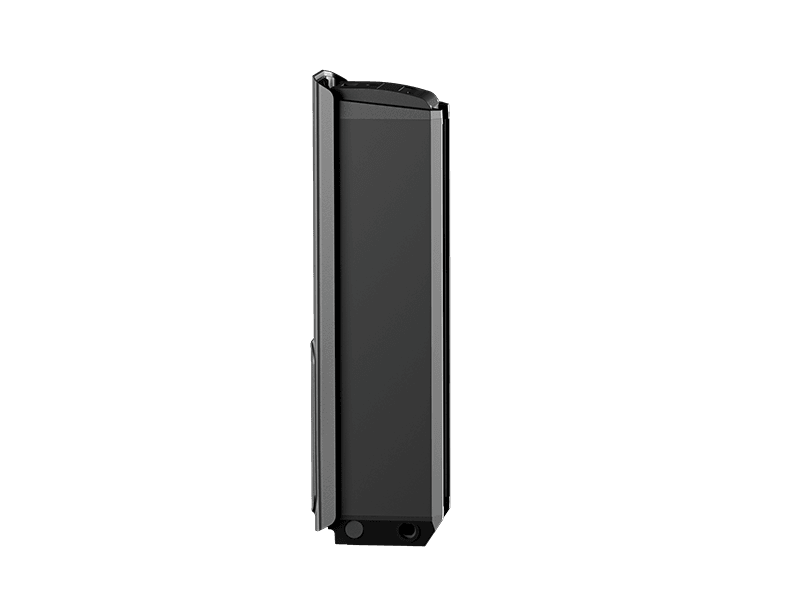
- Battery: Mounted on the frame or rear rack, supplying power to the motor.

- Display: Shows speed, battery status, and assistance level.

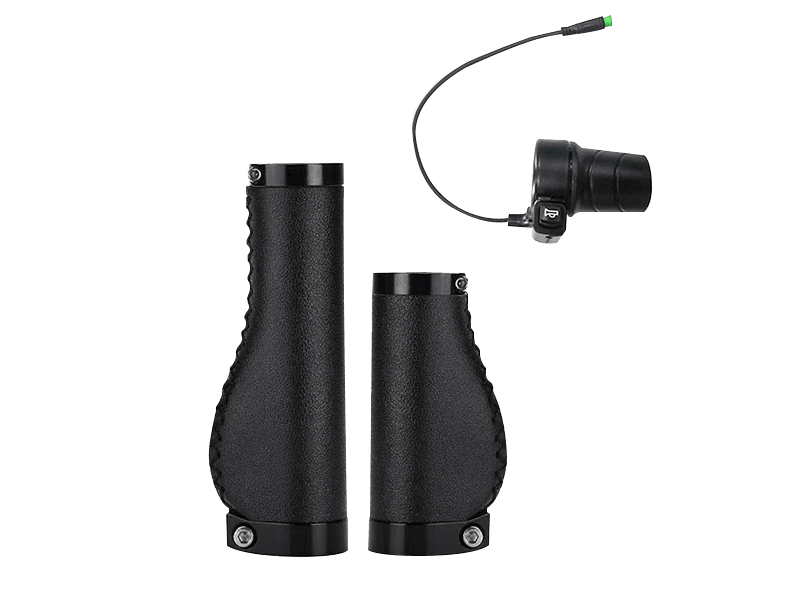
- Control unit: Handlebar-mounted buttons for adjusting assist modes and, on some models, activating a throttle.

Knowing where these parts are and how they interact will make your first ride more predictable and controlled.

Essential Safety Gear for E-bike Riders

Safety should always come first, especially when riding a faster, heavier bike.

Recommended gear includes:

- Helmet: Properly fitted, sitting level on your head and secure under the chin.

- Gloves: Improve grip and protect your hands.

- High-visibility clothing: Bright or reflective apparel helps others see you in traffic or low-light conditions.

In addition, familiarize yourself with local e-bike regulations. Speed limits, access to bike paths, and equipment requirements vary by region. Before every ride, perform a quick inspection: test the brakes, confirm the battery is locked in place, and inflate the tires to the recommended pressure listed on the sidewall.

Starting and Stopping an Electric Bike Safely

Mastering basic handling is essential for building confidence.

Mounting and Dismounting

Because e-bikes weigh more than traditional bicycles, stability is key:

1.Hold both brake levers firmly.

2.Stand beside the bike and keep it upright.

3.Swing one leg over the frame and sit down.

4.Place your feet on the pedals only when ready to move.

When stopping or dismounting, reverse the process and keep the brakes engaged to prevent unexpected movement.

Using Power Assist and Throttle Control

Once powered on, start with the lowest assistance level. This allows you to get used to how the motor responds to pedaling.

Typical assist levels work as follows:

- Low assist: Best for flat roads and conserving battery.

- Medium assist: Suitable for mild hills and steady cruising.

- High assist: Designed for steep climbs, strong headwinds, or faster acceleration.

If your e-bike includes a throttle, use it cautiously. Throttles deliver instant power and can be helpful in specific situations, but pedal assist is generally more efficient and easier to control, especially in crowded areas.

Improving Your Riding Skills on an E-bike

Once you’re comfortable with the basics, refining your technique will improve safety and performance.

Turning and Cornering

Approach corners with reduced speed and lower assist levels. Keep your inside pedal raised and look through the turn toward your exit path. Smooth, controlled movements help maintain balance and traction.

Riding on Different Surfaces

- Loose gravel: Slightly lift off the saddle and relax your arms to absorb vibrations.

- Wet pavement: Brake earlier, reduce assist, and avoid sharp turns.

- Uphill climbs: Shift to a lower gear before the incline begins.

- Downhill sections: Use light, intermittent braking rather than continuous pressure to maintain control.

Extending Battery Range

Efficient riding habits can significantly increase your range:

- Use higher assist only when necessary.

- Take advantage of downhill sections by reducing or turning off assistance.

- Anticipate stops to avoid frequent acceleration.

- Consider wind direction when planning longer routes.

Smart energy management not only extends battery life but also creates a smoother riding experience.

Traffic Rules and Shared Path Etiquette

In most regions, e-bike riders follow the same traffic laws as traditional cyclists. Obey traffic signals, use bike lanes where available, and ride predictably.

When sharing paths with pedestrians:

- Yield to walkers.

- Signal your presence verbally or with a bell.

- Pass slowly and only when there is enough space.

Always remain aware that e-bikes are quieter and faster than regular bikes, which means others may not notice you approaching.

Solving Common E-bike Issues

Battery Runs Out Mid-Ride

If the battery is depleted, the bike still functions normally—just without assistance. Shift to an easier gear, pace yourself, and consider planning routes with backup options such as bike shops or public transport.

Unusual Noises

Routine maintenance can prevent most problems:

- Keep the chain clean and lubricated.

- Check tire pressure regularly.

- Clean brake rotors if you hear squealing.

- Wipe battery contacts occasionally to ensure good connection.

Performance Feels Off

Seek professional service if you notice braking issues, inconsistent motor output, or unusual vibrations. Electrical and mechanical systems are best handled by experienced technicians.

Enjoy Your E-bike Experience

Electric bikes make cycling more accessible, efficient, and enjoyable. With a basic understanding of the components, proper safety habits, and steady practice, most riders gain confidence quickly. Whether you’re commuting, exploring trails, or riding for leisure, an e-bike opens up new possibilities.

If you’re still unsure, visiting a local bike shop or renting an e-bike for a short ride is an excellent way to experience the benefits firsthand. Once you start riding, it often becomes a habit you look forward to every day 🚲✨

More Posts

Ride Into a Cozy Evening Together eBike Date Ideas for Couples

Feb 13, 2026 03:06

Some of the best moments in life aren’t the ones we plan—they’re the ones we share. A quiet conversation over coffee, a walk in the park, or a gentle ride as the sun sets can create memories that last a lifetime. With an eBike, your date nights can transform from the ordinary into something special: a little adventure, a little fun, and a lot of connection. Here are some warm and easy ways to make your evenings together unforgettable. Picnic for Two One of the simplest joys of being together is sharing food outdoors. Pack your favorite treats—sandwiches, fresh fruit, maybe a little chocolate—into your eBike basket and ride to a quiet park, lakeside spot, or a hidden meadow. No traffic, no stress, just fresh air, laughter, and time to enjoy each other’s company. The beauty of an eBike is that you can go a little further than on foot, discover new corners of your city or nearby nature, and still feel relaxed. A picnic on wheels becomes more than just a meal—it’s an experience to savor together. Evening Stroll with Stops Turn your ride into a gentle evening adventure. Plan a route with small stops along the way—maybe a café for coffee, a bakery for a sweet treat, or a scenic viewpoint to pause and take it all in. Every stop becomes a moment to talk, laugh, and connect. The changing scenery keeps the evening fresh, and riding together gives you a shared rhythm, a sense of moving forward together. Sometimes, it’s the little pauses in between that make the most lasting memories. Memory Lane Ride Every couple has special places that hold meaning—where you first met, your favorite café, or a park you love visiting together. Turn these familiar spots into a personalized ride. Stop to take a photo, hold hands while walking your bikes, or simply sit and reminisce. Revisiting these places reminds you of your journey together and adds a touch of nostalgia and warmth to your evening. Sunset Moments Few things feel as magical as watching the sky change colors with someone you care about. Plan a ride along a route with a view, bring a blanket or warm layers, and pause to enjoy the sunset together. Add a thermos of tea or hot chocolate for extra comfort, and let the quiet moment sink in. It’s in these small, peaceful pauses that connection deepens and memories are made. Little Surprises Along the Way Date nights don’t have to be elaborate to be memorable. A small gift, a handwritten note, or even a favorite snack tucked into your basket can turn a simple ride into a heartfelt adventure. Sharing these little gestures while riding together creates warmth, joy, and a feeling of being thought of and appreciated. Start Your Cozy Ride Whether your partner has been cheering you on from the sidelines or you’re looking to make new memories together, now is the perfect time to hop on your eBikes and explore. From spontaneous picnics to sunset rides, every date can be an opportunity to slow down, enjoy the moment, and strengthen your bond. Discover our eBike deals and start planning your next cozy ride today.

Read More

Can You Ride an E-Bike in the Rain? Tips to Protect Your Commuter Bike

Feb 03, 2026 09:00

Riding an e-bike in the rain can be daunting for many commuters. Water, wet roads, and even winter salt can raise concerns about battery safety, rust, and long-term maintenance. The good news is: modern e-bikes are designed to handle wet conditions — with the right precautions, you can ride confidently and keep your bike in top shape. Here’s a practical guide to protecting your commuter bike when riding in the rain. Are E-Bikes Safe in the Rain? Many riders worry that rain can damage electronics or motors. While caution is always wise, most quality commuter e-bikes are built for wet conditions: - Sealed electrical components prevent water damage - Weather-resistant motors and controllers are designed to withstand splashes - Waterproof wiring and connectors keep systems running reliably As one Alaska Pro rider mentioned: “It’s out in all conditions. Never had a problem in rain or snow.” So yes, riding in the rain is generally safe — but routine care and protection habits are key to long-term reliability. 1. Protect the Battery From Rain and Road Salt The battery is the most valuable part of an e-bike. Exposure to water, salt, or mud can shorten its lifespan if not managed properly. Here’s how to protect it: - Use a battery cover: Shields the battery from direct rain and salt spray. - Check seals regularly: Ensure the cover and connectors stay tight. - Store indoors when possible: Remove the battery after wet rides if you can. A little preventive care goes a long way, especially in winter or coastal environments. 2. Wipe Down Your Bike After Wet Rides Even a quick wipe can prevent corrosion and keep your bike looking new: - Use a dry cloth to remove water from the frame, battery, and display - Pay attention to bolts, chain, and cassette - Avoid letting puddles or salt linger on metal parts A 2–3 minute routine after commuting in the rain can save hours of maintenance later. 3. Lube and Grease More Frequently Rain washes away lubrication, which can lead to wear or rust. To maintain smooth performance: - Lubricate the chain more often - Apply grease to exposed metal contact points - Check moving parts regularly for signs of rust or corrosion Think of this as preventive maintenance, not extra work. 4. Store Your E-Bike Properly How you store the bike after a wet ride matters as much as riding itself: - Store indoors or under a covered area - Avoid sealing a wet bike in an airtight space - Let it dry naturally before long-term storage - Remove the battery if possible and store in a dry, temperature-stable place Proper storage keeps electrical components safe and prevents long-term corrosion. 5. Additional Rain-Riding Tips - Fenders are your friend: Reduce mud and water splashing - Check tire pressure: Wet roads require slightly lower pressure for grip - Avoid puddles when possible: They may hide debris or potholes Final Thoughts Riding your e-bike in the rain doesn’t have to be stressful. With the right precautions: ✅ The bike is built for wet conditions ✅ Battery covers and proper storage protect electronics ✅ Quick wipe-downs and regular lube prevent rust ✅ Small maintenance routines keep your commuter reliable year-round By following these simple steps, your e-bike can safely serve as your daily commuter — rain or shine.

Read More

Choosing to Ride Through Winter: A Practical Look at FREESKY Fat Tire E-Bikes

Jan 15, 2026 09:00

Winter riding is often framed as a challenge.In practice, it’s a decision shaped by expectations, equipment, and daily habits. For riders who value consistency, winter doesn’t automatically end the riding season. With a suitable electric bike and a realistic approach, riding through colder months remains practical and manageable. Winter Riding Is a Choice, Not a Test Many riders stop cycling in winter not because it’s impossible, but because routines change. Shorter days and colder air alter riding patterns, yet they don’t remove the need for mobility or outdoor activity. Electric bikes reduce the physical barrier. Pedal assist helps regulate effort, making winter rides more predictable rather than exhausting. The focus shifts from performance to continuity. Where Fat Tires Help in Winter Conditions FREESKY fat tire electric bikes are equipped with 26” × 4.0” tires, designed to increase surface contact and stability on uneven terrain. In winter, this wider footprint helps riders maintain balance on wet pavement, slush, and rough road surfaces. While these are not studded snow tires, fat tires offer a more forgiving ride when conditions are variable, especially in urban and suburban environments. Understanding the Limits of Winter Riding Winter riding works best when expectations are realistic. Ice, heavily compacted snow, and extreme weather always require caution. Adjusting riding speed, maintaining smooth braking, and monitoring tire pressure all contribute to safer winter rides. A stable setup supports confidence, but rider judgment remains essential. Who Winter E-Bike Riding Is Suitable For Winter e-bike riding suits riders who prioritize steady routines over speed. Daily commuters, casual riders, and those using their e-bike for short trips often find winter riding manageable with proper planning. Rather than chasing distance or performance, winter riders tend to value reliability and comfort—areas where fat tire electric bikes perform consistently. Why Some Riders Prefer Winter Riding Fewer cars, quieter streets, and less crowded paths change the riding experience. Winter riding often feels more deliberate and less rushed. For some riders, this quieter environment becomes a reason to continue riding rather than pause. Riding through winter maintains momentum and makes the transition into spring feel natural rather than like a restart. Riding Without Waiting Winter doesn’t need to be treated as a gap between riding seasons. Choosing to ride through winter is simply choosing continuity. With the right mindset and a practical electric bike setup, riding remains part of everyday life—regardless of the calendar. 👉 Explore FREESKY Fat Tire Electric Bikes

Read More

0
Bike Comparison