

FREESKY Blogs
Stay updated with the latest news, tips, and insights on e-bikes, technology, and sustainable riding through the FREESKY blog.


You May Also Like
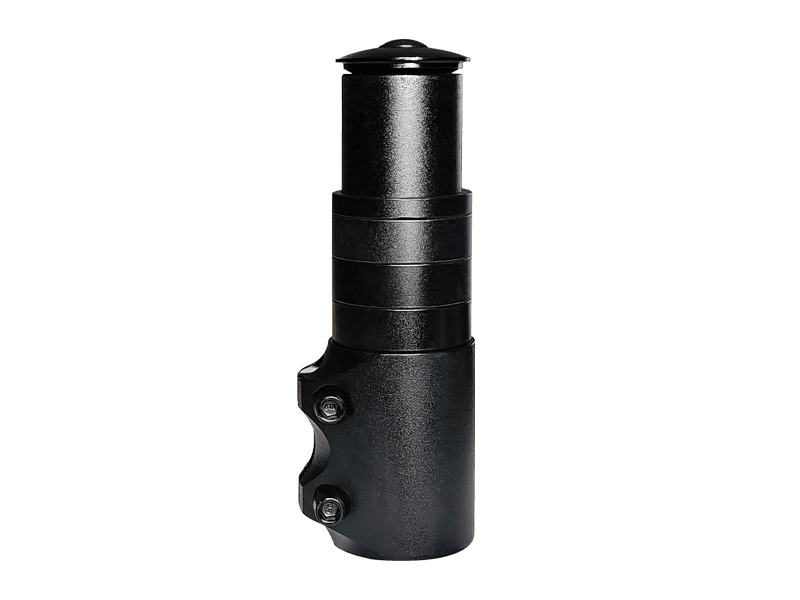
Stem Extender
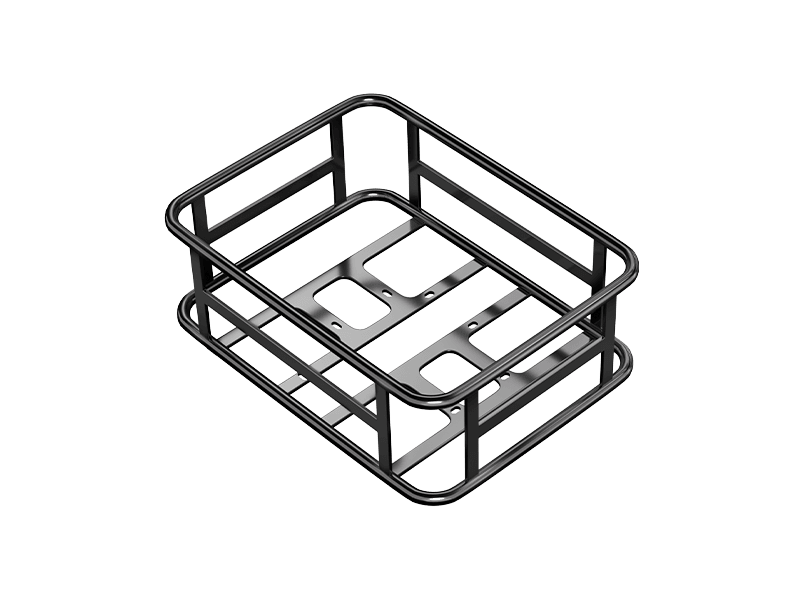
Rear Basket
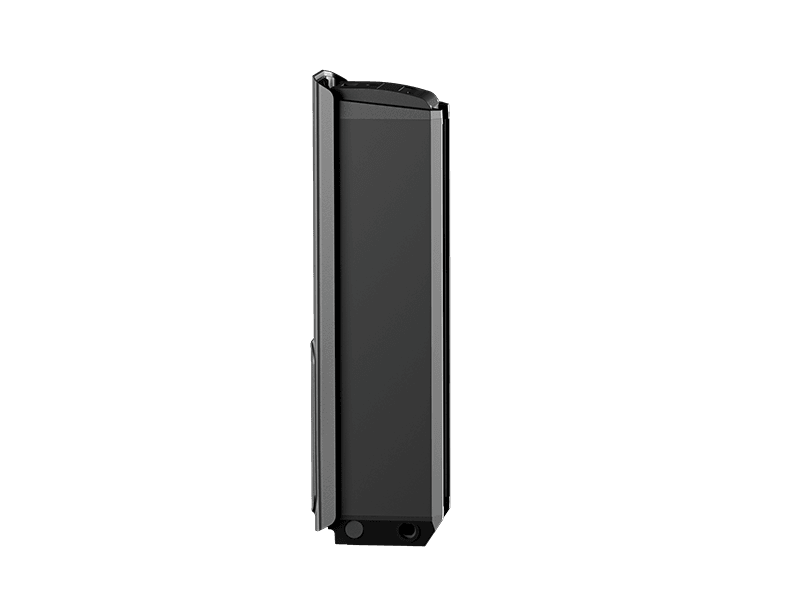
Extra Battery Pack


There's no item in your cart.
You May Also Like
Stem Extender
£35.00
Rear Basket
£89.00
Extra Battery Pack
£450.00
You're Saving £0.00
Shipping, taxes, and discount codes calculated at checkout.All Topics


Do You Need a Licence for an E-Bike in the UK? A Complete Guide to UK E-Bike Laws
Aug 10, 2026 09:00
In the UK, you do not need a driving licence to ride a legal electric bike, provided it meets the requirements for an Electrically Assisted Pedal Cycle (EAPC). A qualifying EAPC is treated broadly like a conventional bicycle. It does not need to be registered, taxed or insured as a motor vehicle, and riders aged 14 or over can ride one legally. However, not every bike marketed as an “e-bike” legally qualifies as an EAPC. The distinction is important. Under current UK rules, an EAPC must have pedals capable of propelling the bike, a motor with a maximum continuous rated power of no more than 250 watts, and electrical assistance that cuts off when the bike reaches 15.5 mph (25 km/h). A bike that exceeds these requirements may instead be treated as a moped or motorcycle. In that case, different requirements can apply, including registration, taxation, insurance, vehicle approval and a driving licence. This guide explains when you need a licence for an electric bike in the UK, what the 250W rule actually means, how rated power differs from peak power, and what happens if an e-bike does not meet the EAPC requirements. Legal notice: This article provides general educational information and is not legal advice. UK vehicle and cycling regulations can change. Always check the latest guidance from GOV.UK or the relevant authority before riding a modified or non-standard electric bike on public roads. Do You Need a Licence for an E-Bike in the UK? No, not if the electric bike qualifies as an EAPC. GOV.UK states that you can ride an EAPC if you are 14 or older, and you do not need a driving licence to ride it. A qualifying EAPC also does not need to be registered, taxed or insured as a motor vehicle. To qualify as an EAPC, the bike must meet several requirements. It must: - Have pedals that can propel the bike- Have a motor with a maximum continuous rated power of 250W- Stop providing electrical assistance at 15.5 mph (25 km/h)- Meet the applicable EAPC construction and marking requirements If the bike meets these requirements, it is treated as a pedal cycle rather than a motor vehicle for these purposes. The important point is that “e-bike” is a product category, not automatically a legal category. A bike can be sold or marketed as an e-bike but still fall outside the legal definition of an EAPC. What Is an EAPC? EAPC stands for Electrically Assisted Pedal Cycle. This is the legal category used in Great Britain for an electric cycle that can be treated as a pedal cycle rather than a motor vehicle. According to GOV.UK, an EAPC must have pedals capable of propelling the bike and an electric motor with a continuous rated power output of no more than 250 watts. Motor assistance must not propel the bike beyond 15.5 mph. A compliant EAPC can generally be used: - On roads- On cycle lanes- On cycle tracks- Anywhere conventional pedal cycles are permitted However, normal cycling restrictions still apply. GOV.UK specifically states that EAPCs cannot be ridden on pavements. What Are the UK E-Bike Power and Speed Limits? For a standard UK EAPC, two specifications are particularly important: Motor power: 250W continuous rated power The motor must have a maximum continuous rated power of no more than 250 watts. Assisted speed: 15.5 mph The motor must stop providing assistance when the bike reaches 15.5 mph (25 km/h). This means that a legal UK e-bike is not necessarily limited to travelling at exactly 15.5 mph. The rider can travel faster than 15.5 mph through: - Pedalling- Downhill momentum- Wind conditions- Other non-motor-powered factors The important requirement is that the motor cannot continue providing assistance above the permitted speed. Rated Power vs. Peak Power: What Matters? This is an important distinction when comparing e-bike specifications. UK EAPC regulations refer specifically to the motor's “continuous rated power”, rather than simply the highest temporary output advertised by a manufacturer. GOV.UK also requires the bike's markings to show the continuous rated power output. What is Rated Power? Rated power describes the motor's continuous or nominal operating output under the applicable rating. What is Peak Power? Peak power refers to the higher output that the motor may temporarily deliver under certain conditions, such as acceleration, climbing or heavy load. For example, an e-bike could be marketed with specifications such as: 750W Rated / 4000W Peak These two figures describe different aspects of motor performance. However, riders should not assume that a high advertised peak figure automatically determines whether a bike qualifies as an EAPC. The relevant UK requirement is the maximum continuous rated power and the bike's ability to comply with the applicable speed and vehicle requirements. Why This Matters When Buying an E-Bike When checking whether an e-bike is suitable for use under UK EAPC rules, don't look only at a marketing headline such as: “4000W Peak Motor” Instead, check the manufacturer's stated: - Continuous rated motor power- Maximum assisted speed- Pedal configuration- Throttle or power-assistance function- UK/EAPC compliance information This is also why product specifications should clearly distinguish between Rated Power and Peak Power rather than presenting a peak figure as though it were the continuous rated output. UK E-Bike Requirements at a Glance Requirement UK EAPC Rule Why It Matters Minimum rider age 14+ Riders under 14 cannot legally ride an EAPC on public roads Pedals Must be capable of propelling the bike Pedals are part of the EAPC definition Continuous rated motor power Maximum 250W This is the relevant power rating under current EAPC rules Motor assistance speed Maximum 15.5 mph / 25 km/h Motor assistance must stop at the legal limit Driving licence Not required A qualifying EAPC is treated as a pedal cycle Vehicle registration Not required A qualifying EAPC does not need motor vehicle registration Vehicle tax Not required EAPCs are not subject to vehicle excise duty as motor vehicles Motor vehicle insurance Not required A qualifying EAPC does not require motor vehicle insurance Motorcycle helmet Not required EAPCs are not treated as motorcycles or mopeds Cycle paths Generally permitted EAPCs can use infrastructure available to pedal cycles Pavements Not permitted Normal cycling rules apply These requirements are based on current GOV.UK guidance for EAPCs. What Happens If an E-Bike Exceeds 250W or 15.5 mph? This is where the legal situation changes. According to GOV.UK, an electric bike is not an EAPC if, among other things, it: - Can be propelled by its motor at more than 15.5 mph- Has a continuous rated power output higher than 250W- Does not have pedals capable of propelling it A non-EAPC electric bike is treated as a moped or motorcycle rather than an ordinary pedal cycle. Depending on its classification, it may therefore need: - Vehicle registration- Vehicle tax- Insurance- An appropriate driving licence- Motorcycle-approved protective equipment- Vehicle approval It also cannot simply be ridden in cycle lanes or cycle tracks as though it were a conventional bicycle. GOV.UK states that non-EAPC electric bikes can only be ridden on the road under the relevant motor-vehicle rules. Do You Need to Register an E-Bike in the UK? For a qualifying EAPC, no. A compliant EAPC does not need to be registered or taxed as a motor vehicle. However, if an electric bike falls outside the EAPC definition, it may need to be registered and taxed as a motor vehicle. This is why the following specifications matter before buying or modifying an e-bike: - Continuous rated motor power- Maximum motor-assisted speed- Pedal operation- Throttle configuration- Vehicle approval status Do You Need Insurance for an E-Bike? You do not need motor vehicle insurance for a qualifying EAPC. GOV.UK states that a compliant EAPC does not need to be insured as a motor vehicle. However, optional insurance can still be useful. Depending on the policy, e-bike insurance may provide protection for: - Theft- Accidental damage- Personal injury- Third-party liability- Roadside assistance Insurance requirements can become mandatory if the vehicle is legally classified as a moped or motorcycle rather than an EAPC. How Old Do You Have to Be to Ride an E-Bike? You must be at least 14 years old to ride an EAPC in Great Britain. This is different from some countries where children can ride low-powered electric bicycles at younger ages. Parents should therefore check the age requirement before allowing a younger rider to use an electric bike on public roads. Can You Ride a Throttle E-Bike in the UK? This is one of the more complicated areas of UK e-bike law. A standard EAPC is primarily designed around pedal assistance. However, GOV.UK explains that an EAPC can be propelled without pedalling up to 15.5 mph if it has been approved. These bikes are sometimes referred to as “Twist and Go” cycles. For EAPCs placed on the market or entering service after 1 January 2016, type approval requirements can apply to certain throttle-assisted configurations. Therefore, riders should not assume: “It has a throttle, so it is illegal.” Nor should they assume: “It has a throttle, so it is automatically a normal EAPC.” The exact configuration and approval status matter. If an e-bike has throttle assistance, check whether the vehicle has the appropriate approval before using it on public roads. Can You Remove the Speed Limiter? You should not remove or bypass the legal speed restriction if you intend to use the bike as an EAPC on public roads. If a motor can propel the bike beyond 15.5 mph, the vehicle may no longer qualify as an EAPC. GOV.UK states that an electric bike that does not meet the EAPC rules is treated as a motorcycle or moped. The UK government also warns that modifying an e-cycle to exceed the legal power or speed limits can result in it becoming an unregistered motorbike in law. Such modifications can create legal, insurance and safety problems. So before modifying an e-bike, riders should consider not only performance but also: - Road legality- Registration- Insurance- Vehicle approval- Licence requirements- Where the vehicle can legally be ridden Where Can You Ride an E-Bike in the UK? A compliant EAPC is treated like a pedal cycle for infrastructure purposes. You can generally ride a qualifying EAPC: - On public roads- In cycle lanes- On cycle tracks- On routes where conventional pedal cycles are allowed You cannot normally ride an EAPC on pavements. Local access restrictions can still apply, so riders should check signs and local rules when using shared paths, parks or other cycling facilities. Great Britain vs. Northern Ireland The term “UK e-bike law” can be slightly misleading because Great Britain and Northern Ireland have separate legal guidance. Current Northern Ireland government guidance also defines an EAPC around a 250W maximum motor output and 15.5 mph maximum assisted speed, and states that qualifying EAPCs do not need to be registered, licensed or insured and do not require a driving licence. Riders must be 14 or older. Northern Ireland therefore follows the same broad practical framework for compliant EAPCs: Requirement Great Britain Northern Ireland Maximum motor power 250W continuous rated power 250W Maximum assisted speed 15.5 mph 15.5 mph Minimum age 14 14 Driving licence for EAPC No No Registration for EAPC No No Motor vehicle tax No No Motor vehicle insurance No No Motorcycle helmet No No However, the underlying legislation and administrative systems are not identical, so riders should check the relevant government guidance for their location. Frequently Asked Questions Do you need a licence for an electric bike in the UK? No, provided the bike qualifies as an EAPC and you are at least 14 years old. A qualifying EAPC does not require a driving licence. What is the legal wattage for an e-bike in the UK? The motor must have a maximum continuous rated power of 250 watts to qualify as an EAPC under current Great Britain rules. Is 750W legal on an e-bike in the UK? A motor with a continuous rated power above 250W does not meet the current EAPC definition in Great Britain. Such a vehicle may instead be treated as a moped or motorcycle and require registration, insurance, an appropriate licence and vehicle approval. Does peak power count toward the UK 250W limit? UK EAPC rules specifically refer to the motor's continuous rated power. Peak power is a different specification describing temporary maximum output. However, the overall legal classification of the vehicle depends on its complete configuration and compliance with the applicable regulations. Is a 250W e-bike legal in the UK? A 250W e-bike can qualify as an EAPC if it also meets the other requirements, including having pedals capable of propelling it and limiting motor assistance to 15.5 mph. Can you ride an e-bike without pedalling? It depends on the bike and its approval status. Certain “Twist and Go” EAPCs can provide propulsion without pedalling up to 15.5 mph if they have the required approval. Do e-bikes need road tax in the UK? A qualifying EAPC does not need to be taxed as a motor vehicle. An electric bike that does not qualify as an EAPC may need vehicle registration and tax. Do you need insurance for an e-bike in the UK? Not for a qualifying EAPC as motor vehicle insurance is not required. Optional insurance may still be worthwhile for theft, damage or liability protection. Do you need a helmet on an e-bike in the UK? A motorcycle helmet is not required for a qualifying EAPC. However, wearing a suitable cycle helmet is strongly recommended. If an electric bike is classified as a moped or motorcycle, different helmet requirements apply. Can you ride an e-bike on the pavement? No. GOV.UK states that EAPCs cannot be ridden on pavements. Can a 14-year-old ride an e-bike in the UK? Yes, provided the bike qualifies as an EAPC. The minimum age is 14. Is a 1000W e-bike legal in the UK? A bike with a 1000W continuous rated motor does not meet the current 250W EAPC power requirement in Great Britain. It may therefore fall into a motor vehicle category and require the appropriate registration, insurance, approval and licence before being used on public roads. Does removing the speed limiter make an e-bike illegal? It can make the bike no longer compliant with the EAPC definition. If the motor can propel the bike beyond 15.5 mph, the vehicle may be treated as a moped or motorcycle rather than a normal EAPC. What UK E-Bike Riders Should Remember For most riders, the answer is straightforward: You do not need a licence to ride a legal EAPC in the UK if you are 14 or older. But the bike itself must meet the legal requirements. The key points are: - The motor's maximum continuous rated power must not exceed 250W.- Motor assistance must stop at 15.5 mph (25 km/h).- The bike must have pedals capable of propelling it.- Riders must be 14 or older.- A qualifying EAPC does not need motor vehicle registration, tax or insurance.- A driving licence is not required for a qualifying EAPC.- A bike that exceeds the EAPC requirements may instead be classified as a moped or - - motorcycle.- Throttle-assisted “Twist and Go” bikes can have additional approval requirements.- Removing the speed limiter or otherwise modifying the bike can change its legal classification.- Rated Power and Peak Power are not the same specification. UK regulations specifically refer to continuous rated power. Before buying or modifying an e-bike, check the continuous rated motor power, maximum assisted speed, pedal configuration and approval status rather than relying only on the bike's marketing name or peak-power figure. For the latest rules, always refer to the relevant official government guidance before riding a non-standard or modified electric bike.
Read More

Why UL2271 Certification is the Gold Standard for Your E-Bike Battery
Nov 29, 2025 14:47
The electric bike revolution is surging, offering a greener, more enjoyable way to commute and explore. But as e-bikes become ubiquitous, a critical concern has ignited alongside them: battery safety. Headlines about e-bike battery fires, often devastating and sometimes tragic, have understandably rattled consumer confidence. In this landscape, one certification stands out as the beacon of safety and reliability: UL 2271. Beyond the Headlines: The Real Risk Lithium-ion batteries pack immense energy into a small space. While generally safe when well-designed, manufactured correctly, and used properly, failures can occur. These failures, often stemming from substandard cells, poor construction, inadequate protection circuits, or physical damage, can lead to "thermal runaway" – an uncontrollable chain reaction generating extreme heat, toxic fumes, and fire. The consequences in a home, office, or apartment building can be catastrophic. Enter UL 2271: The Rigorous Guardian UL 2271, developed by the globally recognized safety science leader UL Solutions (formerly Underwriters Laboratories), is specifically designed to address the unique hazards of lithium-ion battery packs used in Light Electric Vehicles (LEVs), including e-bikes, e-scooters, and hoverboards. It's not a simple checkbox; it's an exhaustive series of tests simulating real-world abuse and potential failure scenarios far beyond basic electrical safety. What Does UL 2271 Actually Test? The certification demands batteries pass a gauntlet of over 20 stringent tests, including: Electrical Abuse: Overcharging, forced discharge, short-circuiting. Mechanical Abuse: Crushing, impact, vibration, drop testing. Environmental Stress: Exposure to extreme temperatures (hot and cold), thermal cycling, humidity. Fire Exposure: Direct flame impingement. Internal Component Failure: Simulating failures within the battery management system (BMS) or individual cells. The goal? To ensure the battery pack: Does not explode or catch fire during or after testing. Prevents thermal runaway from propagating between cells. Contains any fire within the battery enclosure if ignition occurs. Minimizes the release of hazardous projectiles or flames. The "Gold" in the Gold Standard: The Value of UL2271 So, why is UL2271 certification so highly prized? Unmatched Safety Assurance: It provides the most comprehensive, independently verified proof that a battery pack has been engineered and built to withstand extreme conditions and minimize fire risk. It directly addresses the core failure modes seen in real-world incidents. Consumer Trust & Confidence: Seeing the UL 2271 mark allows consumers to purchase and charge their e-bikes with significantly greater peace of mind. It signals a manufacturer's serious commitment to safety over cutting corners. Reduced Risk & Liability: For manufacturers, retailers, and property managers (like landlords or building associations), specifying or requiring UL 2271 batteries drastically lowers the risk of catastrophic failures and associated legal liabilities. Regulatory & Insurance Influence: Governments and insurers are taking notice. Cities like New York are actively promoting or even mandating certified batteries. Insurance companies are more likely to offer favorable terms for devices using UL 2271 certified packs. Market Differentiation: In a crowded market, UL 2271 certification is a powerful differentiator. It elevates a brand above those relying on cheaper, uncertified, or less rigorous standards. It signifies quality and responsibility. Global Recognition: UL is a globally trusted name. UL 2271 certification is recognized and respected internationally as the benchmark for LEV battery safety. Beyond "CE" or Cheap Imitations Don't be fooled by vague claims of "certification" or markings like "CE" (which primarily indicates conformity with EU electrical safety standards, not specific rigorous battery abuse testing). Cheap batteries often carry counterfeit marks or only meet minimal requirements. UL 2271 is specific, demanding, and independently verified. Look for the official UL Mark listing the certification number. The Bottom Line: Non-Negotiable Safety As e-bikes integrate deeper into our lives and urban infrastructure, battery safety cannot be an afterthought. UL 2271 certification is not just a "nice-to-have"; it's rapidly becoming the essential foundation for responsible e-bike ownership, manufacturing, and regulation. When buying an e-bike or replacement battery, demand UL 2271 certification. It's the most significant investment you can make in the safety of yourself, your home, and your community. It’s the gold standard for a reason – it signifies a battery built to power your ride, not a potential disaster. Choose wisely, choose certified, choose UL 2271. Look for the Mark. Ride with Confidence.
Read More

Is Step-through Frame Safe?
Mar 21, 2025 06:00
The question of whether a step-through frame is safe often arises when considering bicycles for various purposes, especially among those who are new to cycling or those who prioritize comfort and ease of use. Step-through frames, also known as "ladies' bikes" or "comfort bikes," are designed with a lower, more accessible top bar that allows riders to mount and dismount the bike without having to swing a leg over a high crossbar. This design feature is particularly appealing to those who may have limited flexibility, are wearing skirts or dresses, or simply prefer a more convenient riding experience. When it comes to safety, the step-through frame design does not inherently compromise the structural integrity of the bicycle. In fact, many modern step-through frames are constructed from high-quality materials like aluminum or carbon fiber, which are lightweight but extremely durable. The design itself may offer additional stability, as the lower center of gravity can make the bike easier to balance, especially for beginners. However, safety is not solely determined by the frame design but also by factors such as the quality of the components, the condition of the bike, and the riding habits of the user. A well-maintained step-through bike with quality brakes, tires, and handlebars can be as safe as any other type of bicycle. Riders should always ensure that their bikes are properly adjusted to fit their body size and riding style, and they should practice safe riding habits, such as wearing a helmet, obeying traffic rules, and riding at a safe speed. It's also worth noting that step-through frames may not be the best choice for certain types of riding, such as mountain biking or high-speed road cycling, where a more traditional frame design may offer greater rigidity and responsiveness. But for casual riding, commuting, or leisurely activities, a step-through frame can provide a safe and comfortable riding experience. In conclusion, the safety of a step-through frame bicycle depends on multiple factors, including the quality of the bike, the condition of its components, and the riding habits of the user. While the design itself does not compromise safety, it is essential to ensure that the bike is suitable for the intended use and that the rider practices safe riding techniques. With proper care and attention, a step-through frame bike can be a safe and enjoyable choice for many riders.
Read More

Rainy Day Rides: Protecting Your Electric Bike and Staying Safe
Feb 28, 2025 09:18
Riding an electric bike in the rain might seem daunting, but with the right precautions, it's perfectly manageable. Whether you're commuting to work or enjoying a weekend ride, understanding how rain affects your battery-assist bike can help you stay safe and protect your investment. The Resilience of Electric Bikes Modern electric bikes are designed with resilience in mind, especially when it comes to weather. Most electric bicycles, including those equipped with a hub motor, are built to withstand a fair amount of moisture. The components, such as the battery and motor, are typically well-sealed to prevent water ingress. However, while brief exposure to rain is usually fine, prolonged exposure or submerging your bike in water can cause damage. Protecting Your Battery Assist Bike The battery is the heart of your electric bike, and taking care of it is crucial, especially in wet conditions. When riding in the rain, it's important to make sure the battery is securely attached and that all connections are sealed. Some riders opt for additional protective covers for their batteries to prevent moisture from seeping in. After your ride, it's a good practice to dry the battery and other electrical components to avoid long-term damage. The Role of the Electric Bicycle Hub Motor The hub motor on an electric bicycle is another critical component that needs attention in wet weather. Like the battery, hub motors are generally well-sealed, but they aren't completely waterproof. Riding through puddles or in heavy rain can still pose risks. If you're planning to ride frequently in wet conditions, consider investing in a bike with a high IP rating for its motor, which indicates better protection against water and dust. High-Security Features for Peace of Mind Riding in the rain isn't just about protecting your bike from water—it's also about ensuring your safety. High-security features on your electric bike, such as reliable brakes, bright lights, and non-slip tires, are essential in wet conditions. Make sure your bike is equipped with these features to maintain control and visibility when the roads are slick. Post-Ride Care After riding in the rain, it's essential to take some time for post-ride care. Wipe down your bike, especially the battery and motor, to remove any moisture. Check for any signs of water damage, such as condensation inside the battery casing. Regular maintenance, like lubricating the chain and checking the brakes, will also help keep your bike in top condition for the next ride. So, can you ride an electric bike in the rain? Absolutely! With the right precautions and care, your battery assist bike can handle wet conditions just fine. Just remember to protect your electric bicycle's hub motor, maintain high-security features, and perform regular maintenance to ensure a smooth and safe ride, rain or shine.
Read More
| Product Title |
| Price |
| Color |
| Frame Style |
| Mode |
| Power |
| Battery Capacity |
| Charging Time |
| Assist Speed |
| Range |
| Rider Height |
| Rear Derailleur |
| Front Fork |
| Motor |
| Sensor |
| Charger |
| Torque |
| Suspension |
| Display |
| Brakes |
| Tires |
| Seat Post |
| Bike Weight |


