


FREESKY Blogs
Stay updated with the latest news, tips, and insights on e-bikes, technology, and sustainable riding through the FREESKY blog.


You May Also Like

Cycling Package (10-Piece Kit)
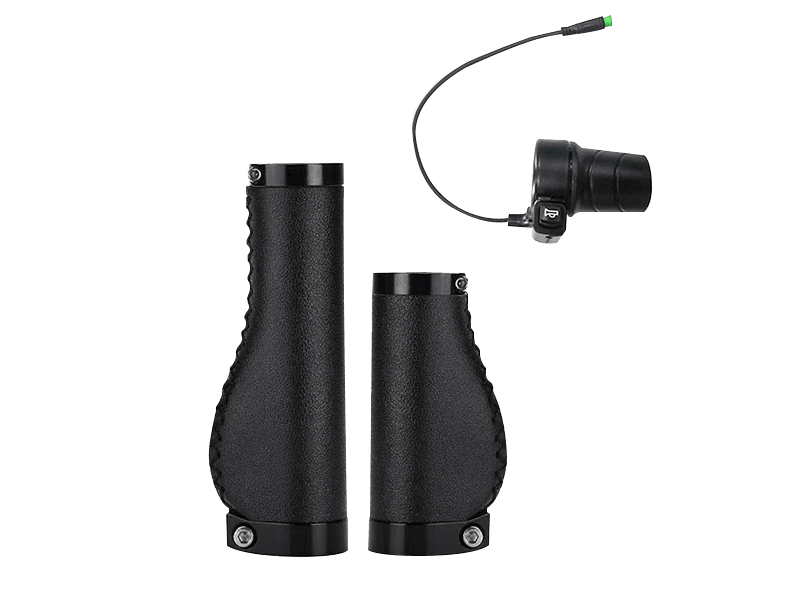
Twist Throttle with Grips
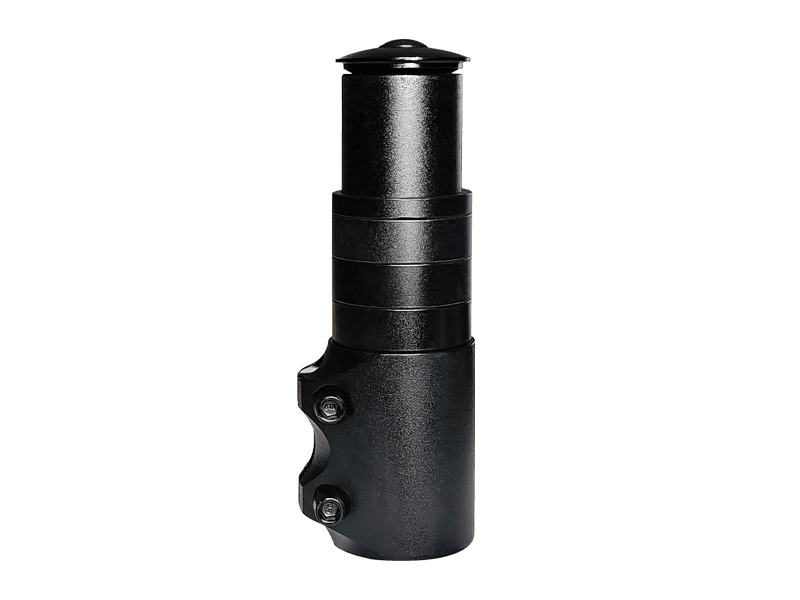
Stem Extender
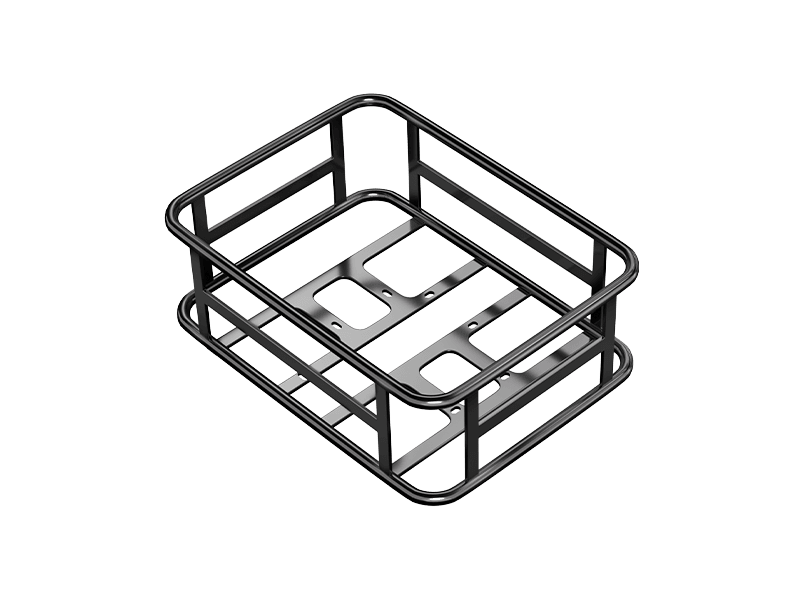
Rear Basket


There's no item in your cart.
You May Also Like
Cycling Package (10-Piece Kit)
£299.00
Twist Throttle with Grips
£59.00
Stem Extender
£35.00
Rear Basket
£89.00
You're Saving £0.00
Shipping, taxes, and discount codes calculated at checkout.All Topics


How We Test Electric Mountain Bikes
Jun 13, 2025 09:00
Choosing the right electric mountain bike isn’t just about technical specs — it’s about how the bike performs on the trail, in real British conditions. At Freesky, we believe that rigorous, real-world testing is the only way to ensure our e-MTBs deliver the performance, control, and comfort UK riders expect — whether you're navigating the chalky climbs of the South Downs or tackling forest descents in the Lake District. Here’s how we test. 🧑🔧 1. Built by Riders, Tested by Riders Our evaluation is led by a team of experienced mountain bikers who know British trails inside and out. Each bike is ridden repeatedly over several weeks, by multiple riders with varying styles and weights, to build a well-rounded understanding of performance across trail types. From technical singletrack in Wales to the flowing bridleways of the Peak District, our testing spans a broad range of British terrain. Every test ride is followed by detailed rider notes, focusing on handling, responsiveness, comfort, and battery performance. 🎛️ 2. Rider Interface: Controls and Display Your interaction with an e-MTB goes beyond the pedals — the controls matter. We assess: Handlebar controls: Are they intuitive and glove-friendly? Digital displays: Is the screen easy to read in low light or drizzle? App connectivity: How simple is it to adjust assist levels or view diagnostics? Charging interface: Can it be accessed easily after a muddy ride in the woods? These everyday usability factors can make or break your ride — especially when you’re halfway up a wet trail in the Yorkshire Dales. ⛰️ 3. Climbing: From Rolling Hills to Technical Ascents Whether you're grinding up a fire road in the Scottish Borders or easing your way up rocky ascents in Snowdonia, climbing performance is key. We test: Motor torque and power delivery Bike weight balance and rider position Traction and pedal response on varied surfaces Real climbs on real terrain — not just lab simulations. 🧭 4. Downhill Handling and Suspension Performance We descend. A lot. From fast-flowing descents in Surrey Hills to technical drops in Grizedale Forest, our test trails cover: Geometry and balance at speed Suspension responsiveness Component reliability under load Back-to-back descents on the same trail help us compare bikes under consistent conditions, giving us clear insights into what performs — and what doesn’t — on British descents. ⚡ 5. Power Output and Assist Feel While UK regulations limit assistance to 25 km/h, how the power is delivered makes all the difference. We look at: Smoothness of assist transitions When the power kicks in and cuts off Torque feel under climbing load Consistency between support levels Some motors respond almost instantly, while others lag — our testers feel the difference within the first few pedal strokes. 🔋 6. Real-World Range Testing We don’t just estimate range — we ride it. Our standardised test loop simulates typical British mixed terrain, from steep woodland climbs to mellow open trails. Each bike is ridden repeatedly at full support until the battery is depleted. We also conduct long-format rides — think all-day circuits in the Brecon Beacons — to see how bikes hold up in variable weather, trail debris, and elevation changes. 🔧 7. Durability in British Conditions We ride in mud. We ride in rain. We ride when it’s cold, damp, and slippery — because that’s what riders in Britain face most of the year. Over weeks of testing, we assess: Frame and component wear Battery stability and water resistance Post-ride maintenance requirements Cable and control protection in rough weather Our goal is to find the bikes that hold up — not just under perfect conditions, but during a typical British winter ride. Freesky’s Commitment to Performance Our flagship models — the Warrior Pro and Alaska Pro — are built to excel across British terrain. Both have been put through the full testing cycle. Here’s what makes them stand out: Warrior Pro: 48V 30Ah UL2271-certified Samsung battery; built for powerful off-road climbing and sustained output Alaska Pro: 48V 41Ah UL2271-certified high-capacity battery; long-range support for endurance rides Both models are tested under real British trail conditions — and optimised for long-term reliability Summary Table: Freesky’s eMTB Testing Approach Test Area What We Measure Why It Matters Climbing Torque, balance, traction, geometry For tackling British hills and technical climbs Descending Handling, suspension, braking To inspire confidence on loose, wet trails Range Mixed-terrain loop with repeated laps Reflects real-life performance, not theory Controls & Display Visibility, usability, water-resistance Essential for all-weather UK riding Power Output Transition smoothness, responsiveness Determines ride feel and support reliability Durability Resistance to grit, rain, and cold conditions Ensures performance year-round in Britain Trail-Tested and Rider Approved Our promise: we ride it before you do. Every Freesky e-MTB undergoes hands-on evaluation here in Britain to ensure it handles not just the specs — but the reality of British riding. Ready for the next ride? Freesky is.
Read More

How to Extend the Life of Your eBike Battery: Expert Tips from Freesky
Jun 06, 2025 09:00
The battery for your electric bike typically accounts for about a third of the total value of the bike, making it one of the most critical components to invest in and care for properly. At Freesky, we prioritise battery quality and longevity because a reliable eBike battery means more freedom on the road—and fewer costly replacements. Why Choosing the Best eBike Battery Matters in the UK When purchasing an electric bike in the UK, selecting a high-quality battery is essential. We recommend opting for eBikes with premium battery cells from the "big three" manufacturers: Samsung, Panasonic, or LG. These brands lead the market for reliability, safety, and lifespan. Freesky’s Warrior Pro model comes with a robust Samsung 48V 30Ah battery, designed to deliver consistent and dependable power for UK trails and urban rides. For riders seeking longer distances, the Alaska Pro features a larger 48V 41Ah battery, ideal for extended journeys. All Freesky batteries are UL2271-certified, meeting rigorous international safety standards to ensure peace of mind and the highest protection for your electric bike investment. Avoid cheap electric bike batteries commonly found in discount stores, which often lack quality assurance and comprehensive warranties. At Freesky, we stand by our batteries because your ride deserves the best. Understanding Lithium Ion Battery Technology for eBikes Most modern electric bikes use lithium-ion or lithium-polymer batteries. Although lithium battery technology dates back over a century, it has only become affordable and widely available in consumer eBikes over the past 15 years. The difference between lithium-ion and lithium-polymer batteries lies mainly in the electrolyte type, with lithium-polymer offering a slight increase in energy density at a higher cost. However, the biggest factor affecting your battery’s lifespan is how well you maintain it. Top Tips for eBike Battery Maintenance and Longevity in the UK Climate A well-maintained lithium-ion battery should last between 3 to 5 years. Here are three practical tips tailored for UK riders to get the most from your Freesky eBike battery: 1. Store Your Battery at Optimal Temperatures Temperature plays a crucial role in battery health. Avoid leaving your battery in direct sunlight or hot environments like a car boot on a sunny day, as excessive heat shortens battery life. The worst scenario is keeping a fully charged battery at high temperatures. When not in use, store your battery indoors in a cool, dry place ideally below 20°C (68°F). In cold UK winters, it’s vital to avoid charging your battery below freezing point, as this can damage the cells. Ride in cold weather is fine, but bring the battery indoors afterwards. Reduced power and range in cold conditions are normal and expected. 2. Store the Battery Partially Charged—Not Fully Charged or Empty Proper charge levels during storage affect battery lifespan. Aim to keep your battery charge between 40% and 80% for longer-term storage. Some chargers have a ‘storage mode’ to maintain this ideal voltage—use it if available. Avoid leaving your battery on the charger for extended periods at 100%. During off-season or prolonged storage, check and top up the battery charge every few months to prevent deep discharge. 3. Avoid Regularly Fully Discharging Your Battery Contrary to outdated advice, fully draining your lithium-ion battery regularly is harmful. Lithium-ion batteries do not have the ‘memory effect’ of older battery chemistries and benefit from partial discharge with frequent top-ups. Occasional full discharge, such as during long rides, is acceptable. For regular short rides, it’s better to charge every few rides than every time to avoid keeping the battery near full charge too long. Why Freesky’s eBike Batteries Are Your Best Choice in the UK Freesky is dedicated to providing high-performance, safe, and long-lasting batteries tailored to the needs of UK riders. All our batteries are UL 2271-certified to meet the highest safety standards. The Warrior Pro features premium Samsung cells for superior reliability, while the Alaska Pro offers a high-capacity 48V 41Ah battery engineered for extended range and heavy-load riding. By following these expert battery care tips, you can enjoy a reliable electric bike battery lifespan of 3 to 5 years, maximising your riding pleasure while avoiding costly replacements. Ready to upgrade your ride? Discover the Warrior Pro and Alaska Pro models with Freesky’s industry-leading battery technology.
Read More

Celebrate World Bicycle Day with FREESKY: Ride Smarter, Save More
May 30, 2025 09:00
3 June is World Bicycle Day – a time to celebrate cycling as a symbol of sustainability, freedom, and health. The United Nations declared this date a global observance to highlight bicycles as clean, sustainable transport that benefits both people and the planet. Across the world, millions of riders will be taking to the streets and trails to mark the occasion, enjoying the fresh air and sense of freedom that only two wheels can bring. Here in the UK, FREESKY is proud to join the festivities: we believe cycling should be powerful and comfortable – yet kind to the environment. Cycling (and e-cycling) is more than just fun – it’s a powerful way to cut emissions and boost fitness. Studies show that swapping just one daily car trip for cycling or e-biking can reduce roughly 0.5 tonnes of CO₂ per person each year. Even cycling one extra day a week can trim up to 25% of transport-related emissions. And the benefits go beyond carbon: riders enjoy stronger fitness, improved mental well-being, and a lower risk of obesity. On World Bicycle Day, those are reasons enough to pedal. FREESKY e-MTBs: Power Meets Purpose FREESKY’s electric mountain bikes deliver serious power and range without sacrificing comfort or sustainability. Our e-MTB models are equipped with high-performance 130 N·m motors and dual battery systems (48V 18Ah + 23Ah), giving riders the ability to cover up to 90–160 miles (144-257 KM) per charge. Spotlight: The Alaska Pro One model that truly stands out is the Alaska Pro, which embodies FREESKY’s vision of freedom and function. Here’s why it’s a favourite among UK riders: 26×4″ fat tyres: Compared to narrow-tyre mountain bikes, fat tyres provide greater traction, stability, and shock absorption. Whether you're tackling mud, gravel, sand or snow, you’ll enjoy a smoother, safer ride. Dual battery system: The combination of two high-capacity batteries gives riders incredible range, making long-distance rides more accessible than ever. High-performance motor: With 130 Nm of torque, the Alaska Pro effortlessly conquers steep hills, strong winds and rough trails. Built-in cargo capability: Designed to carry more, this model is perfect for riders who need utility as well as performance. As part of our World Bicycle Day promotion, UK customers who choose the Alaska Pro will receive a free Rear Rack Package (Worth £100), ideal for carrying luggage or gear. All-day comfort: The full suspension system and four-piston hydraulic disc brakes ensure excellent ride quality, even on rugged terrain. Ride Smarter, Save More This World Bicycle Day, FREESKY is making it even easier to take your rides to the next level. All UK models qualify for an extra £50 off at checkout – no code needed. And for the Alaska Pro, you’ll also receive the complimentary Rear Rack Package mentioned above. Whether you ride for health, sustainability or pure enjoyment, there’s never been a better time to upgrade to a FREESKY e-bike. Celebrate World Bicycle Day by investing in a smarter, greener ride – and enjoy the freedom, performance, and value that come with every FREESKY adventure. 👉 [Shop FREESKY eBikes Now]
Read More

How to Adjust Handlebar Height on Your Electric Mountain Bike for a More Comfortable Ride
May 22, 2025 07:00
Many electric mountain bike (EMTB) riders in the UK find that even a small adjustment to handlebar height can dramatically improve comfort, visibility, and control—especially on longer rides. Whether you’re tackling trails or commuting, getting your riding posture right can reduce fatigue, alleviate pressure on your back and wrists, and enhance confidence on rough terrain. For FREESKY riders in particular, all models—including Warrior Pro, Alaska Pro, and Ranger—are equipped with high-performance hydraulic disc brakes and all-terrain geometry. However, even with advanced components, discomfort caused by low handlebars or an overly aggressive riding position remains a common issue. That’s where handlebar height adjustments come in. Why Raise Your Handlebars? Many riders search phrases like "how to raise handlebars on electric bike" or "e-bike handlebar height adjustment UK" because of a few key discomforts: Neck or shoulder pain caused by a forward-leaning posture. Wrist or hand numbness due to overloading the front of the cockpit. Lower back strain, particularly on long climbs or extended rides. Poor visibility, especially when looking up from a deep forward lean. Raising the handlebars promotes a more upright, ergonomic riding stance that addresses these issues directly. This is particularly beneficial on fat tyre e-MTBs like those offered by FREESKY, which are built for off-road versatility and stability. Common Ways to Adjust Handlebar Height on EMTBs There are four primary methods to raise handlebars on electric mountain bikes: 1. Adjusting Headset Spacers Many modern bikes allow for fine height adjustment by rearranging the spacers on the steerer tube. You can lower the stem by placing spacers above it, or raise it by moving them below. Pros: No additional components required Simple and reversible adjustment Cons: Limited range of adjustment Only effective if you have unused steerer tube length 2. Flipping or Replacing the Stem Another common method involves flipping the stem (if it's angled) or replacing it with one that has more rise. Pros: Cost-effective if using existing components Can provide noticeable height increase Cons: Changes reach as well as height May require re-alignment of brakes and levers 3. Switching to Riser Handlebars Riser handlebars have built-in elevation and can lift the grips by 20–50 mm depending on design. Pros: Improves control on rough terrain Also allows wider grip stance Cons: Requires new handlebar purchase Rise is fixed—no fine-tuning 4. Installing a Stem Extender A stem extender (also known as a handlebar riser) is a straightforward solution for riders needing more height than what spacers or stem angles allow. It’s an especially popular option among FREESKY riders who prefer upright posture for trail visibility and comfort. The FREESKY Stem Extender is compatible with all FREESKY e-MTBs. It fits directly onto the steerer tube and allows riders to increase bar height by several adjustable increments—without replacing the stem or bars. Pros: Provides the widest adjustment range (up to approx. 70 mm) Easy to install and adjust Maintains original cockpit components Cons: Adds some weight and height to the front end Requires ensuring brake and gear cables have enough slack 👉 [Shop FREESKY Stem Extender Now] Key Considerations Before Adjusting Handlebar Height Cable Slack: Ensure there is enough length in your brake and gear cables to accommodate increased height. Ride Position: Raising bars too high may reduce front-end traction on climbs—especially on steep trails. Handling: Higher bars offer comfort but may slightly alter handling feel. Always test adjustments before heading onto technical terrain. Torque Settings: Use appropriate tools and avoid overtightening bolts during any adjustments. Summary: Comfort, Control, and Customisation Whether you’re looking for better posture, increased visibility, or reduced fatigue, adjusting handlebar height is one of the most effective ways to personalise your FREESKY e-MTB setup. For those wanting a simple, adjustable, and compatible solution, the FREESKY Stem Extender is a reliable upgrade. By fine-tuning your handlebar height, you’ll ride further, feel better, and get more enjoyment out of every adventure—on or off the trail.
Read More

How to Tighten Bike Brakes?
May 16, 2025 09:00
A UK Guide to Hydraulic Disc Brake Adjustment for E-MTB Riders Proper brake performance is essential for both safety and riding enjoyment—especially when you’re navigating the trails on a powerful electric mountain bike (e-MTB). If you’ve noticed your brake lever pulling in further than usual, or your stopping power isn’t as crisp as it should be, it’s time for a brake adjustment. In this UK-focused guide, we’ll walk through how to check and tighten hydraulic disc brakes, with a focus on FREESKY’s electric mountain bikes such as the Warrior Pro, Alaska Pro, and Ranger—all equipped with four-piston hydraulic disc brake systems. Why Brake Adjustment Matters on E-MTBs Electric mountain bikes place unique demands on your braking system. The added weight from the motor and battery, combined with higher speeds and steeper terrains, means your brakes need to perform consistently under pressure. FREESKY e-MTBs use advanced four-piston hydraulic disc brakes, which offer enhanced braking force and modulation. These systems are robust, but like any component, they require regular maintenance and occasional adjustment to stay in top condition. Signs Your Brakes May Need Adjustment You may need to tighten your hydraulic brakes if: The brake lever feels soft or spongy The lever pulls in too close to the handlebar before engaging The bike takes longer to stop than usual You hear light rubbing or squealing noises when not braking How to Tighten Hydraulic Disc Brakes on Your E-Bike Here’s a general process that applies to most hydraulic systems found on e-MTBs in the UK. If you're riding a FREESKY e-bike, your system is likely compatible with this approach: 1. Inspect the Brake Lever and Caliper Check the lever travel. If it pulls too far, it may indicate air in the system or worn brake pads. 2. Check for Pad Wear Remove the wheel (if necessary) and inspect the brake pads. If they are too thin, they may need to be replaced rather than tightened. 3. Align the Caliper Sometimes, brake rubbing or poor engagement is due to a misaligned caliper. Loosen the mounting bolts, apply the brake lever, and retighten the bolts while holding the lever. This centres the caliper over the rotor. 4. Brake Lever Adjustment Many levers feature a reach adjustment screw to fine-tune the distance between the lever and handlebar. This allows for a more responsive braking feel without affecting brake pressure. ⚠️ Note: If you suspect there is air in the brake lines or feel a significant loss in braking power, it may be necessary to bleed the system. This process is best carried out by a trained technician or reputable local bike mechanic. FREESKY Riders: What Makes Our Brakes Exceptional? At FREESKY, we understand that superior control starts with superior braking. That’s why models like the Warrior Pro, Alaska Pro, and Ranger are equipped with four-piston hydraulic disc brakes, engineered for power, precision, and reliability on technical terrain. Paired with 26" x 4" fat tyres, these braking systems ensure you benefit from: Improved stopping power, even on loose gravel or wet descents Greater modulation, giving you fine control over speed Better stability, thanks to the wider tyre contact patch that enhances traction Compared to traditional narrow-tyre MTBs with mechanical brakes, FREESKY’s setup offers a significant upgrade in safety and ride quality—ideal for the demanding e-MTB enthusiast. Final Thoughts Brake performance isn’t just about comfort—it’s a critical safety factor. Regular inspection and timely brake adjustments will keep your FREESKY electric mountain bike operating at its best, whether you’re commuting across town or charging down a trail. Not sure how to proceed or need personalised guidance? Reach out to our customer service team—we’re here to help you keep your ride running at its best.
Read More

How to Measure an E-MTB Frame Size: FREESKY Fit Guide for UK Riders
May 09, 2025 09:00
Choosing the right e-MTB frame size is crucial for comfort, control and safety – especially on a powerful fat-tyre model. This e-MTB frame size guide for UK riders explains how to measure electric mountain bike frame dimensions (seat tube, reach and standover height) in both centimetres and inches. We’ll also include a FREESKY E-MTB size chart (rider height vs frame size) and sample geometry data from FREESKY’s fat-tyre models (Warrior Pro M-530, Alaska Pro M-520, Ranger M-540) to help you pick the perfect fit. Finally, we highlight why the 26″×4″ fat tyres on these bikes offer superior comfort and traction on varied terrain. How to Measure an E-MTB Frame When measuring an e-MTB’s frame, focus on three key dimensions: seat tube length, reach, and standover height. These measurements help match rider height and riding style to the bike’s geometry. Seat Tube Length – This is the length of the frame’s seat tube, usually measured from the centre of the bottom bracket (where the cranks attach) up to the top of the seat tube (or the seat tube-clamp intersection). It roughly corresponds to the “frame size” of many bikes. To measure it, place the zero end of a tape measure at the centre of the bottom bracket and extend it along the seat tube to the top. Seat tube lengths are often given in inches or cm. For example, a 17″ (≈43 cm) seat tube is common on a mid-size frame. The correct seat tube size ensures your legs extend comfortably when pedalling without overextending or cramping. Reach – Reach is the horizontal distance from the bottom bracket centre to the top centre of the head tube (near the handlebar). It reflects how far you have to lean forward to reach the bars. To measure reach, measure horizontally from the centre of the bottom bracket to an imaginary vertical line through the top of the head tube. A longer reach generally suits taller riders or those who prefer a stretched-out position, while a shorter reach fits more upright riders. For example, the FREESKY Warrior Pro M-530 has a reach of about 45 cm (17.7″), while the smaller Ranger M-540 has about 40.6 cm (16″). Standover Height – This is the height of the top tube above the ground, measured at the point where you stand over the bike. To measure, stand the bike upright on level ground and measure from the ground straight up to the point on the top tube just in front of the seat tube. Standover height ensures you have a safe gap between your body (groin area) and the top tube when standing over the bike. For example, the Warrior Pro M-530 has a high standover (about 68.8 cm (27.1″)) to match its taller frame, whereas the smaller Ranger M-540 is about 45.7 cm (18″). Make sure there’s at least 2–3″ (5–8 cm) of clearance between the top tube and your body when standing astride the bike. Taking these measurements (in cm and inches) helps you compare different e-MTBs. Many manufacturers list these dimensions in their specs, but measuring your own bike or referencing a fit chart is the safest way to ensure a correct fit. Finding Your Frame Size Once you know your measurements, use the seat tube length as a general frame size indicator. Riders often base frame size on their height and leg length. For a rough guide: Rider Height (ft & in) Rider Height (cm) Suggested Seat Tube (in) Suggested Seat Tube (cm) 4′10″ – 5′2″ 148–158 13″ – 14″ 33 – 36 5′2″ – 5′6″ 158–168 15″ – 16″ 38 – 42 5′6″ – 5′10″ 168–178 17″ – 18″ 43 – 46 5′10″ – 6′1″ 178–185 19″ – 20″ 48 – 51 6′1″ – 6′4″ 185–193 21″ – 22″ 53 – 56 For example, a rider 5′4″ (162 cm) tall would typically fit a frame with roughly a 15″–16″ (38–42 cm) seat tube. Always check the manufacturer’s specific size chart if available, and consider your leg inseam and reach preferences. FREESKY E-MTB Size Reference FREESKY’s fat-tyre e-MTBs (Warrior Pro M-530, Alaska Pro M-520, Ranger M-540) share the 26″×4″ tyre platform but have slightly different geometry. Below are reference figures for each model: FREESKY Warrior Pro M-530 (dual-motor, step-over frame): Seat height 88.9–101.6 cm, reach ≈45 cm (17.7″), standover ≈68.8 cm (27.1″). FREESKY Alaska Pro M-520 (dual-battery trail bike): Seat height 80–103.4 cm, reach ≈45.7 cm (18″), standover ≈51.8 cm (20.4″). FREESKY Ranger M-540 (750 W step-thru): Seat height 86.4–99 cm, reach ≈40.6 cm (16″), standover ≈45.7 cm (18″). These figures come from FREESKY’s official geometry charts. Note the Warrior Pro M-530 is the largest frame, with a higher standover and longer reach, while the Ranger M-540 is more compact. When choosing a model, compare these numbers to your body dimensions: taller riders may prefer the Warrior or Alaska, whereas shorter riders or those who want easy mounting may like the Ranger. Frame Size Chart by Rider Height To simplify choosing a frame size, here’s a quick chart of rider height vs. suggested frame (seat tube) size. This is a general guide; individual comfort may vary. The seat tube is given in both inches and centimetres. Rider Height (cm / ft) Suggested Seat Tube (in) Suggested Seat Tube (cm) 147–158 cm (4′10″–5′2″) 13″ – 14″ 33 – 36 cm 158–168 cm (5′2″–5′6″) 15″ – 16″ 38 – 42 cm 168–178 cm (5′6″–5′10″) 17″ – 18″ 43 – 46 cm 178–185 cm (5′10″–6′1″) 19″ – 20″ 48 – 51 cm 185–193 cm (6′1″–6′4″) 21″ – 22″ 53 – 56 cm This table follows standard MTB sizing guides. For example, a 180 cm tall rider would typically choose about a 19″–20″ (48–51 cm) seat tube. If you fall between sizes, consider your riding style: a smaller frame gives a more upright, nimble feel, while a larger frame provides stability for straight-line speed. Why 26″×4″ Fat Tyres Matter for E-MTBs All FREESKY models come fitted with 26″×4″ fat tyres, and for good reason. Compared to narrow MTB tyres, fat tyres offer several riding advantages: Superior comfort and cushion: The extra width and volume allow running lower tyre pressures, so fat tyres soak up bumps and vibrations. This is like wearing “thick-soled shoes” on rough trails. Fat tyres have much greater shock-absorption than skinny tyres, reducing impact on rider and bike. You’ll notice a smoother ride on rocky or uneven paths. Outstanding grip and traction: The wide contact patch of a 4″ tyre greatly increases grip, especially on loose or slippery ground. Fat tyres “increase the contact area of the ground”, giving better traction on mud, sand, snow or gravel than a 2″ tyre. Riders can tackle soft terrain (snow-covered trails, sandy beaches or loose gravel) that would stall a normal MTB. FREESKY fat tyres let you “ride freely in snow, woodland, mud and gravel terrain” with confidence. This all-season traction opens up more trails. Enhanced stability: Beyond grip, the extra width improves bike stability. Fat tyres “provide a higher margin of safety” on rough terrain and make balance easier at low speeds. You can corner with confidence, even in wet or loose conditions, because fat tyres “stick really well” and resist slipping. Overall, 26×4 tyres transform a mountain bike into a multi-terrain cruiser, great for UK trails or even winter riding. In short, fat tyres boost both comfort and terrain capability. They cushion impacts and keep you on your wheels where narrow tyres might wash out. For UK riders wanting a versatile electric trail bike, the 26″×4″ tyre setup of FREESKY e-MTBs is a standout feature. As one cycling expert notes, fat-tyre e-bikes are increasingly popular because their “substantial fat tires” paired with powerful motors let riders traverse “snow and sand” and “explore places [they] previously struggled to reach on a narrow-tire bike”. Get Fitted and Take a Test Ride A perfect frame fit makes all the difference in e-MTB comfort and handling. Use the guidance above to measure your bike and match a seat tube size to your height. Then consult FREESKY’s product pages for the Warrior Pro, Alaska Pro and Ranger models to review the detailed specs and dealer options. By measuring properly and considering our fat-tyre advantages, you’ll be ready to enjoy a confident, comfortable ride on your new FREESKY e-MTB.
Read More

Hybrid Bikes vs Electric Bikes in the UK: Which One Should You Choose?
May 02, 2025 09:00
IntroductionAs cycling becomes increasingly popular across the UK, many riders find themselves weighing up the pros and cons of hybrid bikes versus electric bikes. Whether you’re commuting through London, tackling countryside trails, or simply looking for a greener way to get around, choosing the right type of bike is essential. This guide will explore the key differences, help you determine which bike suits your lifestyle, and introduce two of our most popular electric mountain bikes: the Warrior Pro and the Alaska Pro. What Is a Hybrid Bike? A hybrid bike blends features from both road and mountain bikes. It usually comes with: A lightweight frame Flat handlebars Moderate-width tyres for mixed terrain No motor or battery assistance Hybrid bikes are best suited for leisure riding, city commuting, or weekend outings where you're relying entirely on your own pedalling power. Common uses: Urban commuting Light off-road trails General fitness rides What Is an Electric Bike? An electric bike (or e-bike) includes an integrated motor and battery that assist while you pedal. E-bikes come in various categories, including: Electric commuter bikes Electric mountain bikes (e-MTBs) Electric cargo bikes Touring e-bikes In the UK, most e-bikes are pedal-assist (also known as Pedelecs), legally capped at 250W with a 25 km/h assist limit for road use. However, off-road e-MTBs like our Warrior Pro and Alaska Pro can feature more powerful motors for private land or trail use, offering unmatched climbing power and extended range. Key Differences Between Hybrid and Electric Bikes Feature Hybrid Bike Electric Bike Power 100% rider effort Motor-assisted pedalling Speed & Range Limited by rider stamina Greater range, less fatigue Weight Lighter Heavier due to battery/motor Terrain Mostly flat or mixed Handles hills and trails easily Ideal for Casual riding Longer commutes, hilly routes, heavy loads When Should You Choose a Hybrid Bike? Opt for a hybrid bike if: You mainly ride on flat terrain You prefer a lighter, simpler setup You're on a tighter budget You’re looking for a good workout Hybrids are a fantastic choice for city dwellers or weekend riders who value ease and affordability. When Should You Choose an Electric Bike? An electric bike may be the better fit if: You want to ride further and faster without overexerting You live in a hilly area You plan to use your bike for commuting, errands, or cargo You’re returning to cycling after injury or with limited mobility Recommended E-Mountain Bikes: Warrior Pro & Alaska Pro 🏔 Warrior Pro – 200 N·m Dual Motor Powerhouse Designed for UK riders seeking power and performance, the Warrior Pro features: 200 N·m dual motors (ideal for hills and rugged paths) Dual suspension for off-road comfort Up to 152 km range per charge 7-speed Shimano gears and hydraulic disc brakes Whether you're navigating the Lake District or climbing Welsh trails, the Warrior Pro gives you the power to conquer any terrain. ❄️ Alaska Pro – Long-Range Touring with Dual Batteries Built for adventure and endurance, the Alaska Pro offers: 48V 41AH Dual battery system for up to 160 miles (257 km) range 130 N·m motor (private land use) Fat tyres for snow, sand, and rough terrain Integrated lighting and racks for touring This is the go-to e-bike for long-distance riders, rural explorers, or delivery riders needing extended performance. FAQs Are electric bikes legal in the UK?Yes. Pedal-assist e-bikes with a 250W motor and 25 km/h speed limit are legal for public roads without a licence or insurance. Can I ride an electric mountain bike in the rain?Absolutely. Our bikes are water-resistant and built to handle British weather. Do e-bikes require more maintenance than hybrid bikes?Slightly. You'll need to maintain the battery and motor, but general care is similar to any bicycle. Can I ride a hybrid bike uphill?Yes, but it will require more physical effort, especially on steeper inclines. E-bikes are better suited for climbing. Conclusion Whether you opt for the simplicity of a hybrid bike or the advanced capabilities of an electric mountain bike, the key is finding the right match for your needs. If you want to go further, climb easier, and arrive fresher – especially on UK terrain – the Warrior Pro or Alaska Pro are excellent options to consider. Ready to Ride? Explore our full range of electric bikes in the UK and take advantage of limited-time offers.👉 [Shop Electric Mountain Bikes Now]
Read More

Warrior Pro vs. Alaska Pro: How to Choose the Perfect E-Mountain Bike for Your Adventure?
Apr 25, 2025 09:00
If you’re considering purchasing an electric mountain bike (E-bike) and are torn between the Alaska Pro M-520 and the Warrior Pro M-530, you’re not alone. Both models offer impressive features, performance, and quality, but they’re designed with slightly different riders and riding conditions in mind. Whether you're new to the world of electric bikes or an experienced rider, understanding the key differences between these two models will help you choose the one that best suits your needs. 1. Power & Performance: Dual Battery vs. Dual Motor Warrior Pro M-530:The Warrior Pro is all about raw power and performance. Equipped with dual motors, it provides an outstanding amount of torque, making it perfect for challenging terrain and steep inclines. With its 200Nm of combined torque, this bike delivers exceptional climbing capabilities, making it ideal for riders who prioritize power and want to conquer the toughest trails, no matter the gradient. Alaska Pro M-520:The Alaska Pro, on the other hand, is powered by a single motor paired with a dual battery system, which focuses more on range than pure performance. With 130Nm of torque, it still offers plenty of power for standard trails, but its primary strength lies in its impressive range of up to 257 kilometers on a single charge. If you’re looking to cover long distances with minimal concern about recharging, the Alaska Pro is the better option. Which to choose? Choose the Warrior Pro if you’re an adventurous rider looking for the maximum power to handle steep hills, rough terrain, and long off-road rides. The dual motors provide ample performance for any challenging conditions. Choose the Alaska Pro if you want to cover longer distances without needing to charge frequently, especially for all-day rides. Its dual battery system is the perfect solution for long-range riders. 2. Battery Life: How Far Can You Go? Warrior Pro M-530:The Warrior Pro comes with a 48V 30Ah SAMSUNG battery, providing a range of 96-152 kilometers on a single charge. This is perfect for most off-road adventures, but depending on the terrain and riding conditions, it may need a recharge for extended trips. Alaska Pro M-520:The Alaska Pro, thanks to its dual battery system (48V 41Ah), boasts an impressive 144-257 kilometers range on a single charge. This makes it the ideal choice for riders looking for long-distance adventures or those using their bike for daily commuting without worrying about running out of power. Which to choose? Choose the Alaska Pro if long range is your priority. Whether you’re commuting or planning long outdoor trips, the dual battery system will give you peace of mind, covering hundreds of kilometers. Choose the Warrior Pro if you’re more focused on power and performance than distance and are okay with recharging after longer rides. 3. Suspension & Comfort: Smooth Ride for Any Terrain Warrior Pro M-530:The Warrior Pro features a dual suspension setup with a lockable front hydraulic downhill fork and rear suspension, providing excellent shock absorption on rocky trails and downhill rides. It is designed for riders who need greater control and comfort on rougher terrains. Alaska Pro M-520:The Alaska Pro also features dual suspension but with an adjustable front suspension fork for tailored comfort. Its design allows for smoother riding on varying surfaces such as light gravel or paved roads, making it a great option for both off-road and urban commuting. Which to choose? Choose the Warrior Pro if you plan on tackling rough, rocky trails or downhill paths. Its suspension system will provide maximum comfort and control on challenging surfaces. Choose the Alaska Pro if you prefer a smoother, more adjustable ride for a mix of terrains, whether it’s rough trails or light gravel, and want more comfort on longer rides. 4. Braking System: Stopping Power Warrior Pro M-530 & Alaska Pro M-520:Both e-bikes are equipped with 4-piston hydraulic disc brakes, offering exceptional braking control. This powerful brake system ensures rapid and safe stops, even at high speeds or on rough terrains. Whether you're descending a steep slope or navigating challenging off-road trails, the braking system on both models provides smooth and reliable stopping power. With both the Warrior Pro and Alaska Pro sharing the same 4-piston hydraulic disc brakes, the braking performance is identical across both models, ensuring riders can confidently handle any riding conditions—be it mountainous trails or urban streets. This high-performance braking system delivers the necessary safety and control for adventurous mountain biking as well as commuting in the city. Which to choose? Whether you choose the Warrior Pro or the Alaska Pro, both come with the same 4-piston hydraulic disc brakes, offering superior braking performance. If you’re looking for an e-bike that can provide quick, efficient stops on rugged terrains or city roads, both options will serve you well, ensuring you stay in control in every riding scenario. 5. Who Should Choose Each Model? Choose the Warrior Pro if: You want a bike that offers maximum power for climbing steep hills and rough terrain. You plan on riding challenging trails or mountainous areas that demand excellent braking and suspension. You prefer a bike with dual motors for the ultimate off-road performance. Choose the Alaska Pro if: You’re more focused on long-distance range with minimal worry about charging, ideal for commuters or extended trips. You need a bike with dual battery capability for maximum distance coverage. You want a versatile bike that can handle light off-roading and urban commuting with comfort and efficiency. Conclusion: Choosing between the Alaska Pro M-520 and Warrior Pro M-530 depends on what you value most: power and performance or range and comfort. If you're an adventure seeker looking for a bike that can handle steep inclines and challenging terrain, the M-530 with its dual motors and advanced suspension is the clear winner. However, if you’re a long-distance rider who needs a bike that can go the extra mile without worrying about battery life, the Alaska Pro with its dual battery system and adjustable suspension will meet your needs. Whichever model you choose, both the Alaska Pro and Warrior Pro are built to provide you with a reliable, high-performance ride—designed to keep you moving forward, wherever the trail takes you.
Read More

Alaska M-520 Electric Mountain Bike Comprehensive Guide
Apr 18, 2025 09:00
The Ultimate Choice for Off-Road AdventuresStep into the wild and dominate any terrain with the Alaska M-520, designed for peak performance and unmatched versatility. Equipped with dual batteries, the Alaska M-520 ensures long-lasting power for extended journeys. Whether you're traversing mountain trails, gliding over sandy beaches, or tackling city streets, this e-bike offers unparalleled performance and reliability. It’s the ultimate choice for outdoor enthusiasts who seek a bike that can handle it all, making every ride an adventure. Go Anywhere with AlaskaThe Alaska M-520 is engineered to handle diverse terrains with ease. From city roads to rugged trails and everything in between, this e-bike excels in every environment. Whether you're riding through urban landscapes, exploring dense forests, or climbing mountain paths, the Alaska M-520’s robust design and powerful motor provide the strength and durability you need. It's a perfect companion for long-distance riders and those who demand versatility from their e-bike. The Upgrade Dual Battery 48V 41AhGo the Distance with Dual EnergyWith dual removable batteries—18Ah on top and 23Ah below—the Alaska M-520 ensures you can go the distance. The advanced battery system delivers a remarkable range of 144-257 kilometers on a single 6-8 hour charge, depending on the terrain and power assist level. This makes the Alaska M-520 the ideal choice for long-distance riders, daily commuters, and outdoor adventurers who need reliable power for extended rides. Powerful Motor for High PerformanceRide Fast, Ride FearlessThe Alaska M-520 is powered by a high-performance motor that offers 130 N·m of torque, ensuring smooth acceleration and the ability to tackle steep hills with ease. Whether you're conquering challenging mountain paths, racing along sandy shores, or gliding over gravel trails, the Alaska M-520 provides the power you need to explore without limits. Its motor optimizes energy efficiency, helping to extend your ride while delivering consistent, reliable power across all terrains. Dual Suspension & Hydraulic Disc BrakesSmooth Rides and Safe StopsComfort and safety are key features of the Alaska M-520. Equipped with a lockable, adjustable front suspension hydraulic downhill fork and rear suspension, this e-bike ensures that you can ride for hours without feeling the impact of uneven terrains. The advanced suspension system absorbs shocks from bumpy roads, allowing for a smooth ride no matter where you go. The dual hydraulic disc brakes—on both front and rear wheels—offer powerful, responsive braking, ensuring you can stop safely even in the most challenging conditions. Smart LCD DisplayStay in control with the Alaska M-520's advanced LCD display. The smart display provides real-time feedback on key ride information, including your speed, remaining battery life, distance traveled, and the selected power assist mode. With five levels of pedal assist (PAS), you can easily adjust your ride to suit your needs, whether you prefer a relaxed cruise or a more intense workout. The display also includes key safety features like headlight status, making it easy to monitor your ride’s performance. UL2271 Certified BatterySafety is paramount, which is why the Alaska M-520 uses FREESKY’s UL2271 certified batteries. These batteries are rigorously tested to meet the highest safety standards, offering exceptional protection against both electrical and structural risks. The 41Ah(18Ah+23Ah) dual battery system allows you to cover impressive distances of up to 257 kilometers in pedal assist mode. Whether you're heading out for a long trail ride or commuting across town, you can trust that the Alaska M-520 will deliver consistent, reliable power. Thumb ThrottleFor easy acceleration, the Alaska M-520 is equipped with an ergonomically positioned thumb throttle. Simply press to unleash instant power and speed, allowing you to cruise effortlessly on flat terrain or boost up steep hills with minimal effort. This intuitive feature enhances the rider experience, giving you complete control over your speed. Rear Derailleur for Smooth ShiftingThe Alaska M-520 is equipped with a high-quality rear derailleur, ensuring that gear shifts are smooth and precise. Whether you’re climbing steep hills or cruising on flat roads, you can effortlessly change gears to maintain optimal performance. The reliable gear system ensures that you’re always prepared for any terrain. Rear SuspensionLong-distance rides are made more comfortable with the Alaska M-520’s rear suspension. Designed to absorb shocks from rough trails, it helps reduce strain on your body, ensuring that each ride is stable and comfortable. Whether you’re navigating rocky mountain paths or bumpy urban streets, the rear suspension will keep you in control. Front Suspension ForkThe adjustable front suspension fork is another key feature that enhances comfort and control. It minimizes vibrations and impacts, reducing fatigue on your arms and hands, even when riding over rough or uneven surfaces. This ensures that every ride, no matter the terrain, remains comfortable and under control. 4-Piston Hydraulic BrakesWhen it comes to safety, the Alaska M-520 doesn’t compromise. The 4-piston hydraulic disc brakes offer superior stopping power, making sure you can safely stop at a moment’s notice. Whether you’re riding downhill, through muddy trails, or on slippery surfaces, the brakes ensure smooth, controlled stopping power, giving you peace of mind during your adventures. Conclusion: A Versatile and Reliable Adventure BikeThe Alaska M-520 combines rugged performance, advanced technology, and exceptional comfort, making it the ultimate choice for off-road and urban riders alike. With its dual battery system, powerful motor, dual suspension, and high-end safety features, the Alaska M-520 ensures that every ride is smooth, safe, and exhilarating. If you're looking for a bike that can handle anything from mountain trails to city streets, the Alaska M-520 is your perfect companion. Ready to explore without limits? Take your adventure to the next level with the Alaska M-520. Check out the latest offer on the Alaska M-520! Alaska Pro M-520 Dual batteries, ultimate range performance.
Read More
| Product Title |
| Price |
| Color |
| Frame Style |
| Mode |
| Power |
| Battery Capacity |
| Charging Time |
| Assist Speed |
| Range |
| Rider Height |
| Rear Derailleur |
| Front Fork |
| Motor |
| Sensor |
| Charger |
| Controller |
| Torque |
| Suspension |
| Display |
| Brakes |
| Tires |
| Seat Post |
| Bike Weight |


