

FREESKY Blogs
Stay updated with the latest news, tips, and insights on e-bikes, technology, and sustainable riding through the FREESKY blog.


You May Also Like
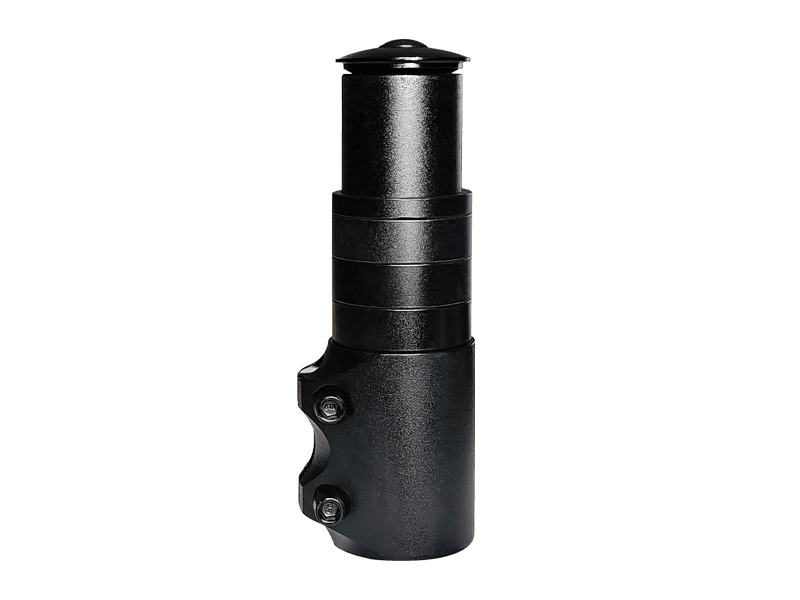
Stem Extender
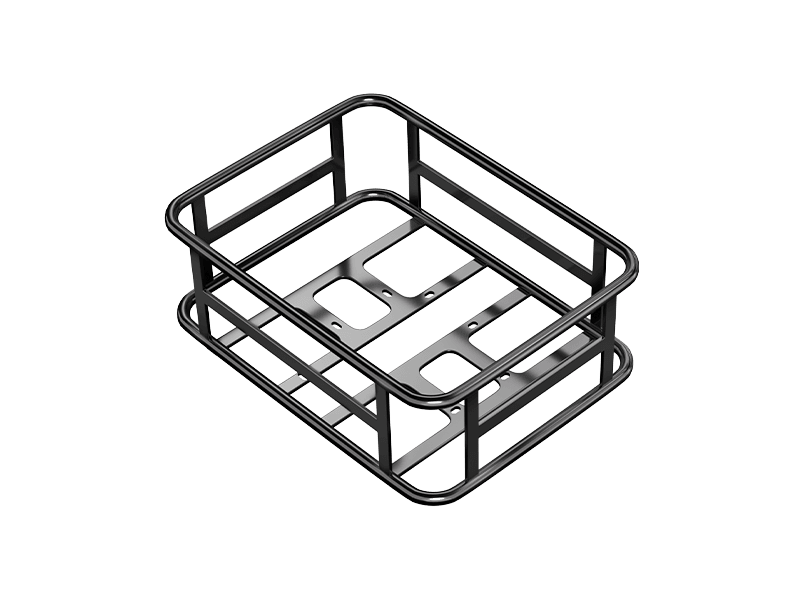
Rear Basket
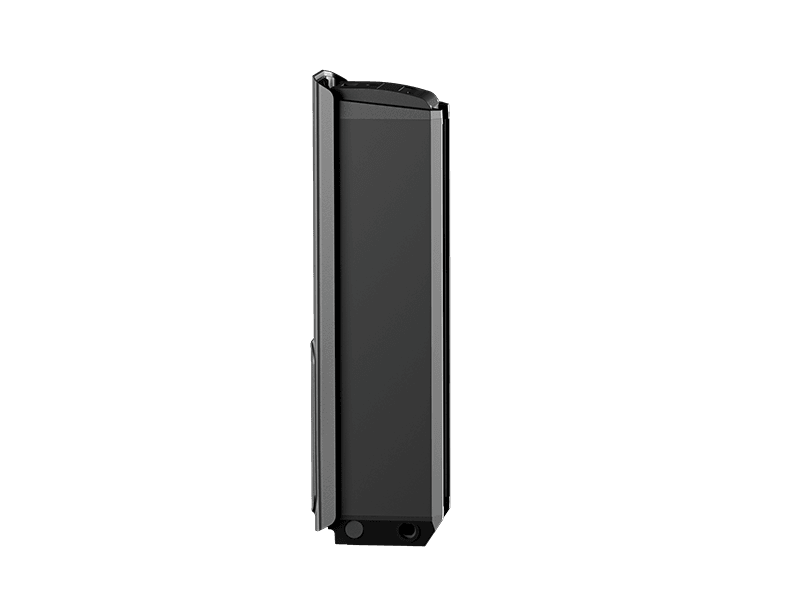
Extra Battery Pack


There's no item in your cart.
You May Also Like
Stem Extender
£35.00
Rear Basket
£89.00
Extra Battery Pack
£450.00
You're Saving £0.00
Shipping, taxes, and discount codes calculated at checkout.All Topics


Is an Electric Bike Good for Daily Use?
Sep 17, 2025 02:56
Is an Electric Bike Good for Daily Use? 🚲⚡ Electric bikes, or e-bikes, are rapidly gaining popularity among commuters, city dwellers, and casual riders. But you might be wondering: is an electric bike good for daily use? The answer is yes! E-bikes offer a combination of convenience, efficiency, and health benefits that make them an excellent choice for everyday transportation. In this guide, we’ll explore why e-bikes are ideal for daily use, what to consider before riding every day, and how they can improve your lifestyle. 1. Convenient and Efficient Commuting 🏙️ One of the biggest advantages of using an e-bike daily is how easy it makes commuting: Reduce travel time: Pedal-assist motors help you cover longer distances faster without extra effort. Avoid traffic jams: E-bikes can often use bike lanes and paths, bypassing congested roads. Flexible parking: Easier to park than a car, and often cheaper. 2. Health Benefits Without Overexertion 💪 Riding an e-bike still counts as exercise: Pedal-assist modes let you choose your effort level, making it accessible for all fitness levels. Improves cardiovascular health and leg strength. Encourages a consistent daily exercise habit, even for busy schedules. 3. Cost-Effective and Eco-Friendly 🌍💰 Daily car commuting can be expensive. E-bikes offer a cheaper and greener alternative: Lower operational costs: No gas, minimal maintenance, and affordable charging. Environmentally friendly: Reduce carbon footprint while commuting daily. Long-term savings: Less wear and tear on public transport or personal vehicles. 4. Comfortable and Adaptable for Daily Life 🚲✨ E-bikes are highly versatile for everyday use: Suitable for city streets, suburban roads, and even mild hills. Models like step-through e-bikes provide easy mounting and dismounting. Cargo e-bikes or racks make grocery trips, errands, or commuting with bags easy. 5. Things to Consider Before Daily Use ⚡ While e-bikes are excellent for daily use, it’s important to: Choose the right type of e-bike for your commute (step-through, mountain, or folding). Maintain battery health by charging regularly and storing properly. Wear a helmet and follow local traffic rules. Check weather conditions and have a backup plan for heavy rain or snow. Final Thoughts 🌟 So, is an electric bike good for daily use? Absolutely! E-bikes combine convenience, health benefits, cost savings, and eco-friendliness. Whether commuting to work, running errands, or simply enjoying a daily ride, an e-bike can make everyday travel easier and more enjoyable. Start with short rides, find your preferred settings, and soon you’ll see why so many people are choosing e-bikes for their daily transportation needs.
Read More

The Health Benefits of Cycling for Middle-Aged and Older Adults
Sep 16, 2025 10:01
The Health Benefits of Cycling for Middle-Aged and Older Adults 🚴♀️🌿 Cycling isn’t just a fun way to get around—it’s also one of the best low-impact exercises for maintaining health as we age. For middle-aged and older adults, incorporating cycling into a weekly routine can bring wide-ranging physical, mental, and social benefits. Whether on an electric bike or a traditional bicycle, regular cycling supports long-term wellness and improves quality of life. 1. Low-Impact Cardio That’s Easy on the Joints 🦵❤️ As we get older, high-impact activities like running can strain knees, hips, and ankles. Cycling, however, provides an excellent cardiovascular workout without putting excessive stress on the joints. Improves heart and lung health Helps regulate blood pressure Reduces risk of cardiovascular disease 2. Strengthens Muscles and Bones 💪🦴 Cycling engages major muscle groups—especially the legs, core, and glutes. Regular cycling: Builds muscle strength to support balance and stability Improves bone density when combined with weight-bearing activities Helps prevent age-related muscle loss (sarcopenia) 3. Supports Healthy Weight Management ⚖️ Maintaining a healthy weight becomes more challenging with age due to slower metabolism. Cycling helps burn calories efficiently while being enjoyable enough to stick with long-term. Encourages fat loss and lean muscle retention Improves insulin sensitivity Reduces risk of type 2 diabetes 4. Boosts Mental Health and Cognitive Function 🧠✨ Physical activity isn’t only about the body—cycling also supports the brain. Research shows that regular exercise, including cycling, can: Reduce stress and anxiety Improve sleep quality Enhance memory and cognitive function Lower the risk of dementia and Alzheimer’s disease 5. Improves Balance, Coordination, and Mobility 🚲 One of the biggest health concerns for older adults is falling. Cycling helps maintain balance and coordination, reducing the likelihood of accidents in daily life. Over time, this contributes to better mobility and independence. 6. Encourages Social Connection 🤝 Group rides, cycling clubs, or even casual rides with friends can enhance social well-being. Staying socially active is closely linked to better mental health and a longer lifespan. Cycling provides a way to connect with others while enjoying the outdoors. Final Thoughts 🌟 The health benefits of cycling for middle-aged and older adults are undeniable: from protecting the heart and joints to boosting mental clarity and social connections. Whether you’re returning to cycling after years away or starting fresh with an electric bike for extra support, it’s never too late to experience the joy and health rewards of riding. 👉 Start small, ride regularly, and let cycling be your path to better health and well-being at any age.
Read More

How to Maintain Your Electric Bike: Essential E-Bike Care Tips
Sep 04, 2025 08:48
How to Maintain Your Electric Bike: Essential E-Bike Care Tips Electric bikes (e-bikes) have quickly become a favorite for commuting, weekend rides, and eco-friendly travel. But just like traditional bikes—or even a car—your e-bike needs regular care to stay in top shape. Proper electric bike maintenance not only extends its lifespan but also ensures a smoother, safer ride. In this guide, we’ll walk through how to maintain an electric bike, including battery care, drivetrain cleaning, tire checks, and more. 1. Take Care of Your E-Bike Battery 🔋 Your e-bike battery is the most important (and expensive) component, so keeping it healthy is key. Charge smart: Recharge when the battery drops to 20–30% instead of letting it fully drain. Avoid extreme temperatures: Store and charge in a cool, dry place. Heat and freezing conditions can shorten battery life. Use the original charger: It ensures safe charging and prevents damage. 👉 Tip: People often search for how to extend e-bike battery life. These battery care habits help maximize performance. 2. Clean Your Electric Bike the Right Way 🚿 A clean e-bike not only looks great but also prevents wear and tear. Wipe down after rides: Use a damp cloth to remove dirt, mud, and dust. Avoid pressure washers: High-pressure water can damage electrical components. Dry completely: Pay extra attention to the chain, gears, and battery contacts. 👉 Pro tip: Regular cleaning is a must if you often ride in wet or dusty environments. 3. Maintain the Drivetrain ⚙️ The drivetrain (chain, cassette, and derailleur) works harder on an e-bike due to extra motor power. Lubricate every 100–150 miles: Use bike-specific lube, especially after rainy rides. Check for chain wear: A stretched or rusty chain should be replaced quickly. Keep gears clean: Dirt buildup reduces efficiency and increases wear. 4. Inspect Tires and Brakes Regularly 🛞🛑 E-bikes are heavier than regular bikes, so tires and brakes experience more stress. Check tire pressure before each ride: Correct PSI improves efficiency and reduces punctures. Replace worn tires: Look for flat spots, cracks, or low tread. Test your brakes often: Replace pads when thin—strong braking is essential for e-bike safety. 5. Monitor Electrical Components ⚡ Your e-bike’s electrical system is what sets it apart from standard bikes. Check connectors and cables: Watch for loose or corroded parts. Update firmware if available: Some e-bikes allow software updates for better performance. Don’t ignore error codes: Refer to the user manual or get help from a technician. 6. Schedule Professional E-Bike Servicing 🛠️ Even if you handle regular upkeep, professional tune-ups are essential. Bike shops can: Adjust gears and brakes with precision. Test battery and motor performance. Catch small issues before they become major repairs. Final Thoughts 🌟 Learning how to maintain your electric bike is one of the best investments you can make. With proper e-bike maintenance—from battery care and drivetrain cleaning to tire checks and professional servicing—you’ll enjoy better performance, longer lifespan, and safer rides. 👉 Keep these e-bike care tips in mind, and your electric bike will reward you with miles of smooth, worry-free cycling.
Read More

Freesky Rocky Pro vs Cyrusher Kommoda 3.0
Aug 29, 2025 09:00
At Freesky, we are dedicated to redefining the electric bike experience through cutting-edge technology and innovative design. Our mission is to deliver an enjoyable, safe, and high-performance ride, which is exemplified by the Freesky Rocky Pro. With its robust yet sleek design, the Rocky Pro stands as a flagship of versatile e-bike engineering. Featuring advanced components, dual-certified UL batteries, and powerful motor systems, it raises the bar for what a high-end step-through e-bike can offer. Read on to see how the Rocky Pro excels when compared to one of our most asked-about competitors, the Cyrusher Kommoda 3.0, across performance, comfort, and smart features. Frame & Usage Scenario The Freesky Rocky Pro is built for both city commuting and adventure riding. Its step-through aluminum frame paired with a lightweight yet sturdy 6061 alloy design allows for easy mounting, adjustable seating for riders from 5’1” to 5’11”(155~180 cm), and superior overall stability. In contrast, the Cyrusher Kommoda 3.0 is primarily focused on city commuting, with a slightly heavier frame and a more upright riding posture. Freesky’s design versatility ensures comfort and control in a wider variety of terrains and scenarios. Weight & Build Material Both the Freesky Rocky Pro and Cyrusher Kommoda 3.0 are constructed from durable aluminum alloy. The Rocky Pro’s smart frame geometry is designed for optimized handling, providing stability and comfort across various terrains. While the overall weights of the two bikes are comparable, the Rocky Pro’s thoughtful design—including step-through frame and balanced weight distribution—makes it easy to handle and maneuver in urban environments or when lifting the bike for storage. Power & Motor The Rocky Pro is equipped with a 75OW brushless motor, peak 12OOW, offering 100Nm torque. Combined with its high-performance controller, it conquers 30° slopes with ease. The Kommoda 3.0, in comparison, has a 250W motor with 85Nm torque. Riders seeking higher performance, faster commuting, or hilly terrain will find the Rocky Pro substantially more capable. Battery & Range Freesky Rocky Pro features a 48V 25Ah Samsung battery, dual UL-certified for safety and performance, offering 45–90 miles (72-144 km) per charge. Quick charging in 6–8 hours, with a removable design, ensures riders spend more time on the road and less time waiting. Kommoda 3.0 uses a 48V 20Ah battery with a shorter range of 68 miles (110 km). Suspension & Comfort The Rocky Pro incorporates a three-shock absorber system (hydraulic front fork + dual rear spring + shock-absorbing saddle), absorbing up to 85% of bumps and vibrations. It ensures a smooth and stable ride even on uneven terrain. By comparison, Kommoda 3.0 uses oil-and-spring front suspension and a rear air shock, providing less comprehensive vibration absorption, especially on rough roads. Brakes & Safety Freesky employs 4-piston hydraulic brakes with 180mm rotors for precise, stable stopping even at high speeds. The step-through frame, adjustable seat, and robust tire system provide superior control. Kommoda 3.0 also features hydraulic brakes, but Freesky’s four-piston system gives a clear edge in safety and braking power. Riding Modes & Control Freesky Rocky Pro includes 5 riding modes: Electric, Pedal-assist, Cruise, Manual, and Walk, adjustable on the fly to match the rider’s needs. This flexibility ensures optimal control in any scenario. Kommoda 3.0 also supports multiple modes, but adjustments are more limited and less intuitive. Tires & Night Riding With CST 20"x4" fat tires and full lighting systems including turn and brake lights plus an 800-lumen headlight, Rocky Pro is optimized for safety and comfort at night and across all terrains. Kommoda 3.0, while equipped with fat tires, lacks the same level of integrated lighting. Parameter Comparison Table Feature Freesky Rocky Pro Cyrusher Kommoda 3.0 Advantage Motor 75OW / Peak 12OOW Brushless 250W Brushless Rear Hub Freesky Torque 100Nm 85Nm Freesky Battery 48V 25Ah Samsung, UL 2271 & 2849 48V 20Ah Freesky Range 45–90 miles (≈72–144 km) 68 miles (≈110 km) Freesky Charging Time 6–8 hours 6–7 hours Comparable Suspension Front hydraulic + 2x rear spring + seat shock Oil & Spring front + Air rear Freesky Brakes 4-piston hydraulic, 180mm rotors Hydraulic, 180mm Freesky Riding Modes 5 (Electric, PAS, Cruise, Manual, Walk) PAS with limited modes Freesky Tires CST 20"x4" Fat Tires Arisun 20"x4" Fat Tires Comparable Smart Display HD LCD + NFC + Type-C Charging 3.7" LCD (requires phone) Freesky Adjustable Frame Step-through, 5’1”–5’11” (155~180 cm) Step-through, limited Freesky Max Load 300 lbs (≈136kg) 350 lbs (≈159kg) Kommoda (payload) Warranty 18M motor/battery/controller, 12M others Similar, battery not dual-certified Freesky Conclusion Freesky Rocky Pro outperforms Cyrusher Kommoda 3.0 in motor power, top speed, battery capacity, suspension, brakes, and riding versatility, while remaining user-friendly and reliable. For riders seeking a high-performance, safe, and technologically advanced e-bike for commuting, leisure, or adventure, Rocky Pro is the clear choice. Experience the future of riding with Freesky Rocky Pro—where performance, safety, and innovation meet.
Read More

Freesky Ranger vs. Cyrusher Ranger: Powerful Fat Tire E-Bikes Compared
Aug 22, 2025 09:00
When it comes to fat tire e-bikes, riders want a combination of power, range, and safety, all at a fair price. Freesky Ranger and Cyrusher Ranger are both capable fat bikes, but they cater to slightly different needs. Let’s break down how each one performs—and where value meets capability. Design Philosophy: Dual Power vs. Urban Comfort Freesky Ranger – Strong, Reliable, and Safe(New Edition)Equipped with dual hub motors delivering 200 Nm torque, Freesky Ranger balances strong acceleration with controllable handling. Its full hydraulic 4-piston disc brakes, fat tires, and robust 6061 aluminum frame ensure short stopping distance and high stability across hills, wet roads, and light off-road paths. Cyrusher Ranger – Practical and EfficientWith a 250W rear hub motor and torque sensor, Cyrusher Ranger is optimized for city roads, commuting, and light trails. 26"x4" fat tires and hydraulic brakes provide a smooth, predictable ride, but the motor power and range are more modest compared with Freesky Ranger. Performance Comparison: Power, Torque, and Range Feature Freesky Ranger Cyrusher Ranger Motor Dual Hub Motors, 200 Nm torque 250W Rear Hub (95 N·m) Power 2OOOW Rated, 35OOW Peak 250W Battery 48V 25Ah, Removable 52V 20Ah LG, Removable Range 60–95 miles(96-152 km) 74 miles (120 km) Max Hill Climb 40° Not disclosed Brakes 4-Piston Hydraulic Disc Hydraulic 180mm Front/Rear Gear System 7-Speed Shimano 9-Speed Shimano Frame 6061 Aluminum Alloy 6061 Aluminum Alloy Riding Modes 5 Modes (Cruise, Throttle, Pedal Assist, Regular, Walk Assist) 5 Levels PAS Why It Matters: Freesky Ranger: Dual motors and 200 Nm torque provide confident acceleration and controlled climbing. Long-range 48V 25Ah battery allows 60–95 miles(96-152 km) of riding, while 4-piston hydraulic brakes ensure safe stopping on inclines or wet surfaces. Cyrusher Ranger: Reliable for commuting and light trails, with 250W motor and moderate range. Hill-climbing ability is limited and not officially disclosed. Ride Experience: Confident Handling vs. Comfortable Commuting Freesky Ranger – Powerful and Controllable High-Performance Climbing: Dual motors and strong torque make uphill riding manageable and responsive. Long-Distance Confidence: Large 25Ah battery extends ride duration for longer journeys. Safety Focus: Fat tires, full hydraulic brakes, and robust frame design offer stable, controlled riding. Ideal For: Riders who want strong power, reliable braking, and extended range for both commuting and weekend rides. Cyrusher Ranger – Urban-Friendly Ride City Commuting Comfort: Torque sensor and moderate motor support make pedaling easy. Moderate Terrain: Suitable for paved roads, light trails, and urban exploration. Ideal For: Riders seeking a comfortable, practical fat bike for everyday use. Price and Value Consideration One of the key differences is price. Freesky Ranger is approximately £600–700 less expensive than Cyrusher Ranger, offering dual-motor performance, extended range, and 4-piston brakes at a more accessible cost. For riders seeking maximum power and reliable stopping performance without a high premium, Freesky Ranger presents strong value. Final Verdict: Power and Confidence or Practical Comfort? ✨ Choose Freesky Ranger if you want dual-motor power, high torque, extended range, and safety-focused braking at a competitive price. ✨ Choose Cyrusher Ranger if your rides are mostly urban or light trails, and you value comfort and moderate performance. “Both bikes offer quality fat tire experiences, but Freesky Ranger gives riders more power, range, and braking reliability for less money, while Cyrusher Ranger emphasizes ease of use and urban practicality.”
Read More

Freesky Alaska Pro vs. Cyrusher Ranger: Which Fat Tire E-Bike Suits Your Adventures?
Aug 15, 2025 09:00
Choosing the right fat tire e-bike isn’t just about specs—it’s about finding a ride that feels safe, reliable, and suited to your typical routes. Freesky Alaska Pro and Cyrusher Ranger each offer strong points, but in different riding scenarios. Design Philosophy: Safety and Versatility Freesky Alaska Pro – Powerful and StableAlaska Pro features dual removable batteries, full suspension, and 26"x4" fat tires designed for stability across varied surfaces. The aluminum frame, 4-piston hydraulic disc brakes, and responsive gear system ensure controlled rides on inclines or uneven terrain. Every component is chosen to support confidence and safety, whether you’re commuting, climbing moderate hills, or enjoying extended rides. Cyrusher Ranger – Comfortable and PracticalRanger prioritizes comfort and ease. Its 250W rear hub motor, 52V 20Ah battery, and torque sensor are optimized for city roads and light trails. Puncture-resistant tires, front suspension, and a reliable brake system ensure smooth, predictable handling in urban or moderately uneven environments. Feature Freesky Alaska Pro Cyrusher Ranger Motor 12OOW Rated, 25OOW Peak(130 N·m) 250W Rear Hub (95 N·m) Battery 48V 41Ah Dual (~1968Wh) 52V 20Ah LG (~1040Wh) Range 90–160+ miles(144-257 km) 74 miles (120 km) Max Hill Climb 40° Not officially disclosed Suspension Full Suspension (Lockable Hydraulic Fork + Rear Shock) Front Suspension Fork w/ Lockout Brakes 4-Piston Hydraulic Disc Hydraulic 180mm Front/Rear Gear System 7-Speed Shimano 9-Speed Shimano Payload Capacity 300 lbs 350 lbs Riding Modes 5 Modes + Pedal Assist 5 Levels PAS Ride Experience: Confidence Over Extremes Freesky Alaska Pro – Controlled Power and Endurance Reliable Climbing: 12OOW rated / 25OOW peak motor provides controlled assistance for hills. Long-Range Reliability: Dual batteries extend ride distance to 90–160+ miles(144-257 km). Enhanced Safety: Full suspension plus 4-piston hydraulic brakes offer stable stopping power. Ideal For: Riders seeking reliable power, long-range rides, and confident braking across a variety of surfaces. Cyrusher Ranger – Comfortable Urban Riding Smooth City Commuting: Torque sensor and 250W motor optimize pedaling efficiency. Moderate Terrain: Suitable for light trails and paved paths, not designed for steep inclines. Ideal For: Urban riders and casual weekend cyclists who prioritize comfort and predictability. Key Difference: Reliability vs. Everyday Utility Freesky Alaska Pro: Focused on strong, controllable power, long-range capability, and safety features to handle varied riding conditions with confidence. Cyrusher Ranger: Offers urban-friendly comfort, suitable for lighter terrain and moderate distances.
Read More

How to Maintain Your Ebike Suspension Fork for Peak Performance
Aug 08, 2025 09:00
The suspension system on an e-bike absorbs bumps and vibrations from the road, ensuring a smoother and more controlled ride. Different types of shock absorbers provide varying levels of cushioning, which directly affect your riding experience. Proper maintenance of the damping system is essential for comfort, performance, and safety. This guide outlines how to maintain your e-bike’s front suspension fork for optimal performance. What Is an Ebike Suspension Front Fork? An e-bike suspension fork improves ride comfort by absorbing shocks and vibrations from uneven terrain. Suspension forks come in several types, including spring, pneumatic (air), and hydraulic, each offering different cushioning characteristics. Besides shock absorption, they enhance stability and control, making it easier to handle rough roads or off-road trails. Key Components of an E-bike Suspension Fork Steerer Tube: Connects the fork to the bike frame. Stanchions: Two vertical tubes that slide in and out of the fork’s sliders, containing internal components like springs, air chambers, or oil. Sliders: Allow stanchions to move and connect to the front wheel while enabling smooth suspension travel. Common Issues with E-bike Suspension Forks Over time, suspension forks may develop issues that require attention for a safe and comfortable ride. Common problems include: Squeaking or Creaking: Indicates friction within moving parts; lubrication is needed. Leaks: Worn seals in pneumatic or hydraulic forks can cause fluid or air leaks and require replacement. Bottoming Out: Forks have limited travel; hitting the limit indicates improper adjustment. Low Air Pressure (for air forks): Reduced air pressure diminishes shock absorption and steering control. Damaged Fork Surface: Scratches or wear on stanchions can compromise seals and lead to leaks. Unusual Noises or Movements: Could indicate internal issues requiring inspection. How to Maintain Your Ebike Suspension Fork Regular maintenance ensures smooth operation and prolongs fork life. Follow these steps: 1. Keep It Clean Wipe stanchions with a soft cloth before and after each ride. For thorough cleaning, rinse with water to remove dirt and grime; avoid pressure washers. Pay attention to crevices to prevent debris buildup. Dry around seals and stanchions after cleaning to prevent water damage. 2. Lubricate Use suspension-specific oil for the upper seals. Apply oil and let it sit for ~20 minutes to ensure proper lubrication. Regular lubrication reduces friction and enhances smooth travel. 3. Check Settings Regularly monitor air pressure or oil level, depending on fork type. Adjust damping according to terrain and riding style for optimal performance. 4. Inspect for Damage Check for deep scratches, dents, or impacts on the fork assembly. Severe damage may require professional repair or replacement to prevent leaks and maintain safety. 5. Maintain Proper Tyre Pressure Correct tyre pressure complements the fork’s shock absorption. Helps achieve consistent cushioning and control. Fork Maintenance Intervals Frequent riders: Inspect forks weekly. Occasional riders: Check every two weeks or after particularly rough or dusty rides. Always clean and inspect forks after riding in dust, mud, or rain. Conclusion Proper maintenance of your e-bike suspension fork enhances comfort, control, and safety. Regular cleaning, lubrication, and inspection can prevent common issues and extend the life of your fork. For any visible damage or seal leaks, seek professional repair promptly to ensure safe riding. By prioritizing maintenance, riders can fully enjoy the smooth and controlled experience an e-bike provides.
Read More

5 Quick Ways to Keep Your Electric Bike Frame Tight and Secure
Aug 01, 2025 09:00
It usually starts with a faint creak. Then perhaps a wobble as you ride over a pothole or uneven paving. You’re not imagining it—your electric bike frame could genuinely be working itself loose. The good news is that most of the time, it’s not a major repair. With a few quick checks, you can tighten things up yourself and get back that solid, confident ride. Let’s look at the warning signs and the five simple fixes you can do at home. How to Spot a Loose Electric Bike Frame Creaking noises: Especially when accelerating, climbing or cornering—these often come from joints or bolts rubbing. Unstable ride feel: A soft or shifting sensation when riding over bumps or rough roads. Loose hinges or connectors: Play in folding joints or frame connections, common on folding e-bikes. Wheel misalignment: When you lift the bike, if the front and rear wheels don’t line up straight, the frame could be slightly twisted or deformed. Five Quick Frame-Tightening Checks 1. Check the Headset and Stem If your handlebars feel twitchy or you hear clicking during turns, the headset or stem may be loose. What to do: Hold the front wheel between your knees. Try twisting the handlebars—if they move separately from the wheel, tighten the stem clamp bolts with an Allen key. Don’t overtighten; the aim is snug and smooth. 2. Secure the Seat Post Clamp A slipping seat post isn’t just annoying—it can cause flex at the back of the frame. What to do: Loosen the clamp, reset your saddle height, then retighten firmly. If available, use a torque wrench for accuracy. A dab of carbon paste (for carbon posts) or grease (for alloy) can help prevent slipping. 3. Inspect the Crankset and Bottom Bracket Creaking while pedalling often comes from movement in the crank arms or bottom bracket. What to do: Wiggle each crank arm sideways. If there’s play, tighten the crank bolts with the correct Allen key. If the bottom bracket itself is loose, you may need a bike shop to re-torque or replace it. 4. Examine Folding Joints (for Folding E-Bikes) On folding bikes, the hinges and latches are critical. Even slight looseness can lead to wobble. What to do: Fully unfold and lock the bike. Check for any play in the hinges and tighten latch bolts. Lubricate moving parts where needed.⚠️ If the play persists, contact your brand’s service centre—riding with loose folding joints is unsafe. 5. Check Rear Triangle and Axle Stability The rear wheel area (seatstays, chainstays, dropouts) carries much of the load. What to do: Make sure axle nuts or quick-release levers are tight. Inspect welds for cracks or stress marks. Confirm the derailleur hanger and brake mounts are firmly secured. Why You Shouldn’t Ignore Frame Looseness A wobbly frame isn’t just irritating. Left unchecked, it can cause: Metal fatigue and cracks. Premature wear of components. In extreme cases, sudden failure and loss of control. Your frame is the backbone of your e-bike—keeping it solid is as important as charging your battery or checking tyre pressure. Preventing Frame Looseness Do a monthly manual check: Test the headset, seat post and joints by hand. After wet rides: Moisture can encourage corrosion—bolts may loosen quicker. Use the right tools: A small hex key set and torque wrench are great investments. Regular checks save bigger repairs later. Built with Stability in Mind: Freesky’s Frame Advantage Freesky frames are designed with long-term reliability at their core. Whether it’s the dual-motor Warrior Pro, the extended-range Alaska Pro, or the versatile Nova, each model is built with reinforced frame structures to resist flex and reduce vibration—so your bike feels stable, even after years of riding. Final Thoughts A solid ride starts with a solid frame. If you notice creaks, wobble or misalignment, don’t ignore it. Run these five quick checks and keep your ride tight, responsive and safe. Ride strong. Ride safe. Ride Freesky. FAQ: Electric Bike Frame Looseness 1. Do all creaks mean a loose frame?Not always—noises can also come from the saddle, pedals or brakes. But if it’s near the headset, bottom bracket or folding joints, check the frame first. 2. Is it safe to ride with a loose frame?Not recommended. Even a short ride can worsen wear or risk sudden failure. 3. Are folding e-bikes more prone to looseness?Yes. Extra hinges and latches mean more stress points. Check them more often if you fold daily. 4. How often should I check my frame?At least once a month, or every two weeks if you ride heavily or on rough roads. 5. How do I know if bolts are tight enough?Snug, not forced. A torque wrench is the safest way to get it right.
Read More

How Do Electric Bikes Perform on Hills? Understanding the Technology Behind the Climb
Jul 25, 2025 09:00
Have you ever struggled up a steep hill on your bike, battling fatigue before reaching the top? Whether you're riding through the Cotswolds, climbing the streets of Sheffield, or navigating off-road inclines, hills can be one of the toughest parts of cycling in the UK. Electric bikes (e-bikes) offer a game-changing solution—particularly models designed with hill performance in mind. By combining motor assistance with rider input, e-bikes allow you to climb more comfortably, more efficiently, and with greater confidence. In this article, we’ll explore how electric bikes handle hill climbing, which Freesky models are best suited for steep or extended inclines, and why Warrior Pro and Alaska Pro are standouts when it comes to serious climbing power. Do Electric Bikes Work Well on Hills? Absolutely. E-bikes excel on hills by delivering additional torque and support when you need it most. This makes them ideal for riders living in hilly regions, those commuting across elevation, or anyone who wants to reduce strain while climbing. In particular, e-bikes equipped with high-torque motors and intelligent control systems can tackle challenging gradients with ease—even when carrying extra load. Top Performers: Warrior Pro & Alaska Pro At Freesky UK, our e-bikes are built to meet the real demands of British terrain. Two of our most capable hill-climbing models are: 🔧 Warrior Pro: Dual-Motor Climbing Strength Dual hub motors (front and rear), working together to deliver exceptional torque Full suspension frame, ensuring traction and control over rocky or uneven hills 48V 30Ah Samsung lithium battery, delivering sustained power on climbs Up to 200Nm torque (combined) – ideal for steep inclines and trail environments Warrior Pro is the ultimate choice for riders tackling aggressive terrain, heavy loads, or who want maximum propulsion up technical climbs. 🔋 Alaska Pro: Endurance for Long Hills Dual battery system: total capacity 48V 41Ah Extended range, ideal for countryside exploration, multi-day hill routes, and long climbs without recharging Robust frame and full suspension for comfort on variable terrain Delivers consistent hill performance over time, even on routes with cumulative elevation Alaska Pro is the right choice for riders who value distance, efficiency, and reliable climbing over sustained journeys. How the Technology Helps You Climb Torque & Motor Response Climbing hills demands strong, steady torque. On the Warrior Pro, both motors work in harmony to provide this force even under pressure. This translates to: Easier hill starts, even with weight Stable climbing on uneven surfaces Less rider fatigue on long or steep hills Battery Capacity & Power Management Alaska Pro’s dual-battery system is designed for longevity. By spreading load across two battery units, the bike: Reduces energy drain on climbs Maintains stable power output over time Offers extended support for long-distance or multi-hill routes Controller Precision Both Warrior Pro and Alaska Pro are equipped with intelligent controllers that adjust assistance based on gradient and rider input. This ensures: Smooth power transitions Efficient energy usage Confidence and safety, even when switching from flat to incline Support Models: Rocky Pro & Nova While Warrior Pro and Alaska Pro are the top hill performers, Freesky also offers models suited to moderate inclines and urban hill commutes: Rocky Pro: Everyday Utility with Cargo Capability Equipped with a speed sensor-based pedal assist system, providing steady support Features a 48V 25Ah Samsung lithium battery, supporting long city rides or delivery routes Built with a sturdy frame, compatible with cargo racks and child seats Ideal for moderate hills, shopping trips, and family riding Though not designed for extreme inclines, Rocky Pro is a practical cargo-capable e-bike that handles daily urban gradients well. Nova: Smooth Pedalling with Torque Sensing With a torque sensor, providing natural and responsive pedal feel 48V 30Ah Samsung battery, with excellent range for mixed elevation routes Great for riders who want controlled, smooth assistance on moderate hills A smart choice for those focused on comfort and cadence across variable terrain How to Maximise Your Hill-Climbing Efficiency Regardless of the e-bike model, you can improve your hill-riding performance by following a few best practices: Shift early: move into a low gear before the hill begins Use pedal assist appropriately: higher levels for steeper sections Keep your cadence steady: let the motor support your rhythm Distribute weight: especially when riding with cargo, keep balance over both wheels Lean forward: improves front traction on climbs Which Freesky Model Should You Choose for UK Hills? Model Sensor Type Battery Setup Best For Warrior Pro Speed sensor 48V 30Ah Samsung (dual motor) Steep climbs, off-road trails, high torque demand Alaska Pro Speed sensor Dual 48V 41Ah Extended hill routes, countryside touring Rocky Pro Speed sensor 48V 25Ah Samsung Cargo use, moderate hills, city gradients Nova Torque sensor 48V 30Ah Samsung Natural pedalling, moderate climbs, smooth commuting Conclusion: Conquering Hills with Freesky E-Bikes Whether you're climbing the winding roads of North Wales or facing steep London boroughs, a Freesky e-bike gives you the tools to ride with confidence. Choose Warrior Pro for unmatched climbing strength and multi-surface control Opt for Alaska Pro if you need sustained hill support and exceptional range Select Rocky Pro for daily use with cargo on rolling hills Go with Nova for smooth, torque-sensing comfort across variable terrain Freesky UK builds every model with purpose. So when it comes to hills, we’ve got you covered—no matter how high the climb.
Read More
| Product Title |
| Price |
| Color |
| Frame Style |
| Mode |
| Power |
| Battery Capacity |
| Charging Time |
| Assist Speed |
| Range |
| Rider Height |
| Rear Derailleur |
| Front Fork |
| Motor |
| Sensor |
| Charger |
| Torque |
| Suspension |
| Display |
| Brakes |
| Tires |
| Seat Post |
| Bike Weight |


