

FREESKY Blogs
Stay updated with the latest news, tips, and insights on e-bikes, technology, and sustainable riding through the FREESKY blog.


You May Also Like
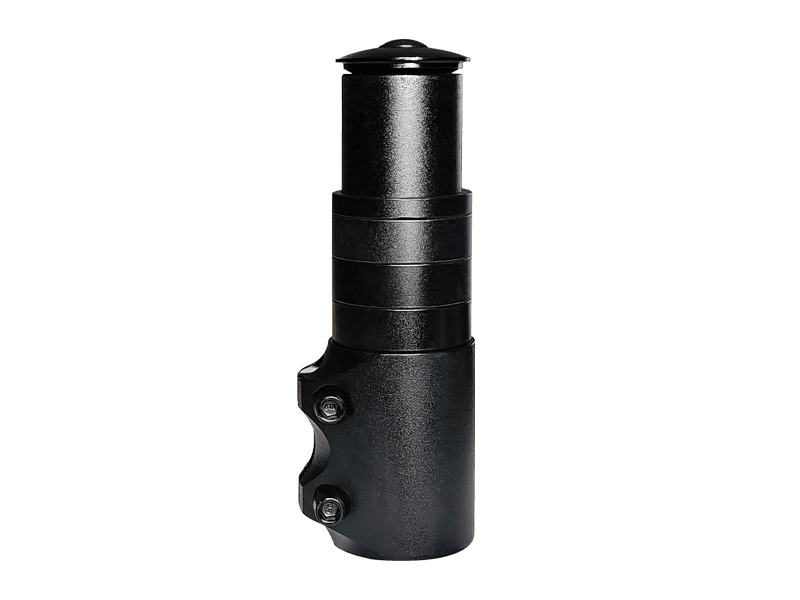
Stem Extender
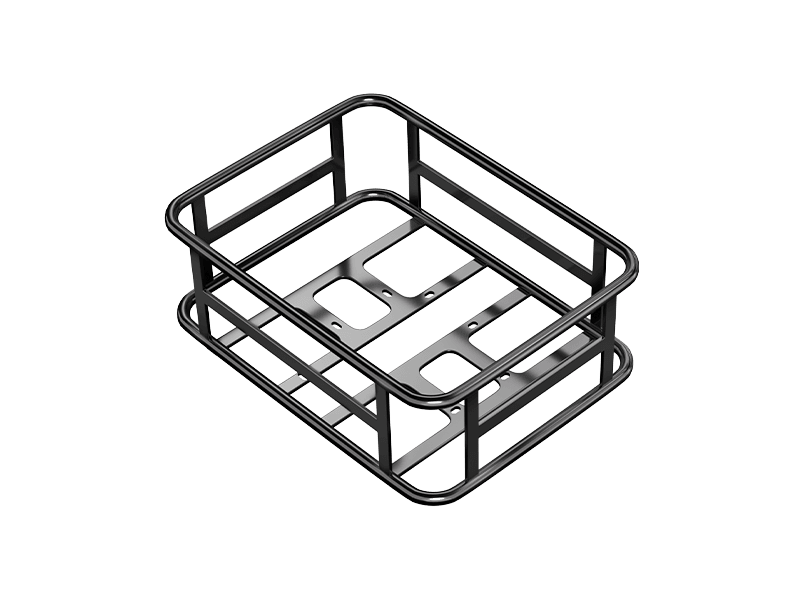
Rear Basket
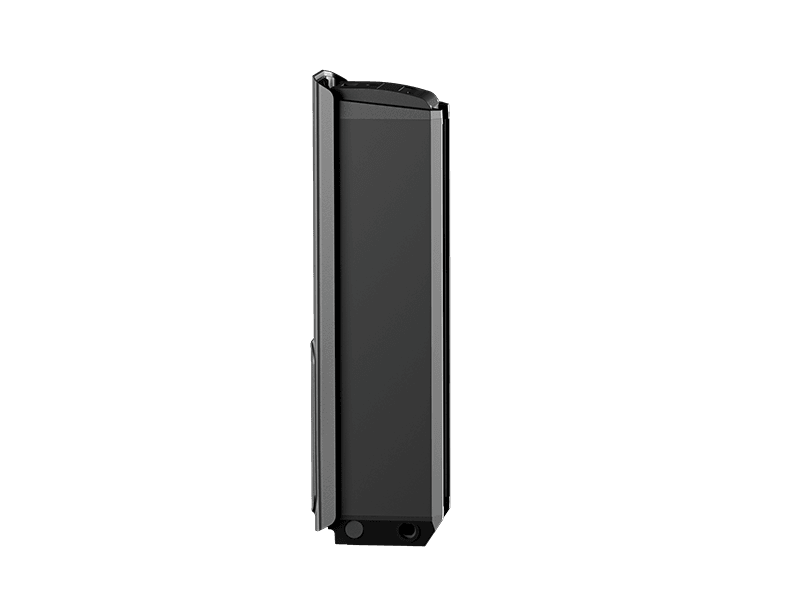
Extra Battery Pack


There's no item in your cart.
You May Also Like
Stem Extender
£35.00
Rear Basket
£89.00
Extra Battery Pack
£450.00
You're Saving £0.00
Shipping, taxes, and discount codes calculated at checkout.All Topics


Autumn Adventure Photo Challenge Share Your Ride, Share Your Story
Sep 07, 2026 09:00
Autumn is here, bringing crisp mornings, colourful countryside, forest trails, and plenty of reasons to get outside. To celebrate the season, FREESKY is launching the Autumn Adventure Photo Challenge. Whether you're exploring countryside lanes, riding through woodland trails, heading out for a weekend camping trip, enjoying a fishing day, or simply discovering a new route on your e-bike, we want to see where your FREESKY takes you this autumn. And there are prizes to be won. 10 participants will have a chance to receive a FREESKY Camo Bag, while our favourite photos and stories may also be selected for a Mystery Prize. So get outside, capture the moment, and share your autumn adventure with the FREESKY community. How to Join the Autumn Adventure Photo Challenge Taking part is simple. Step 1: Join the FREESKY E-Bike Community Join the FREESKY E-Bike Facebook Group and connect with other FREESKY riders. It's a place to share riding experiences, discover new adventures, exchange tips, and see how other riders are enjoying their e-bikes. Step 2: Share Your Autumn Adventure Photo Head to the official FREESKY Autumn Adventure Photo Challenge post and post your favourite autumn adventure photo in the comments. Your photo could feature your FREESKY on a countryside trail, surrounded by autumn colours, at a scenic viewpoint, beside a lake, or anywhere you've enjoyed riding this season. Step 3: Share Your Story Tell us a little about the adventure behind your photo. Where did you ride? What did you discover? Was it a favourite local route, a weekend trip, or somewhere you've never explored before? Your story doesn't need to be long. Just tell us what made the ride memorable. That's it — share your photo, tell your story, and you're entered into the challenge. What Counts as an Autumn Adventure? Your adventure can be whatever getting outside means to you. Here are a few ideas: - Countryside e-bike rides- Forest and woodland trails- Gravel and off-road adventures- Weekend cycling trips- Camping adventures- Fishing trips- Scenic autumn rides- Mountain and hill rides- Wildlife and nature photography- Exploring new routes- Long-distance e-bike adventures- Outdoor trips with friends and family You don't need to travel far to have an adventure. Sometimes the best rides are the ones that start just outside your door. Why Autumn Is a Great Time to Ride Autumn offers a different riding experience. The days may be cooler, but the countryside comes alive with changing colours, quieter trails, and beautiful scenery. From woodland paths covered with fallen leaves to open countryside and rolling hills, there are plenty of places to explore. An e-bike can make it easier to go further and explore routes that might otherwise feel challenging. With the right setup, you can spend more time riding and less time worrying about steep climbs, rough surfaces, or long distances. Explore More with FREESKY FREESKY e-bikes are built for riders who want more from their outdoor adventures. Depending on the model, features such as fat tyres, suspension, high torque, and large battery capacity can help riders take on a wider variety of terrain and longer journeys. High Torque for Hills and Rougher Terrain Torque is especially useful when riding uphill or navigating challenging surfaces. Several FREESKY models offer high torque output, including: - FREESKY Alaska Pro M-520 — up to 170 N·m- FREESKY Eurostar Turbo M-410 — up to 210 N·m- FREESKY Wild Cat Ultra A-340 — up to 130 N·m- FREESKY Rocky Pro A-320 — up to 120 N·m- FREESKY Warrior Pro M-530 — 120 N·m × 2 dual-motor torque High torque can provide strong pulling power when climbing hills or riding on uneven surfaces. Actual riding performance depends on factors such as rider weight, terrain, tyre pressure, battery condition, riding mode, and other conditions. Fat Tyres for Different Riding Conditions Autumn riding can mean changing surfaces. One section of a route might be paved, while the next takes you onto gravel, dirt, grass, or a woodland trail. Many FREESKY models feature 4-inch fat tyres, which provide a wider contact area and can offer additional stability on loose or uneven surfaces. They're particularly suited to riders who want an e-bike that can go beyond everyday road riding. Suspension for a More Comfortable Ride Rough paths and uneven countryside trails can make a long ride less comfortable. Depending on the model, FREESKY e-bikes can feature front or full suspension systems designed to help absorb bumps and impacts while riding over uneven terrain. That means you can focus more on the scenery and the adventure ahead. Your Ride. Your Route. Your Story. The best part of an e-bike adventure isn't always the destination. It might be the quiet country road you discovered along the way. It might be a forest trail you've never ridden before. It might be stopping beside a lake to enjoy the view. Or it might simply be spending a crisp autumn afternoon outside on your FREESKY. That's what we're looking for in this challenge. Show us the places you ride, the routes you discover, and the moments that make your autumn adventures special. Your photo doesn't need to be perfect. Your adventure doesn't need to be extraordinary. Just make it yours. What Can You Win? To celebrate the Autumn Adventure Photo Challenge, we're giving FREESKY riders the chance to win some special prizes. 10 FREESKY Camo Bags We'll select 10 participants to receive a FREESKY Camo Bag. A Mystery Prize Our favourite photos and stories will also have a chance to receive a Mystery Prize. So don't just share a photo — tell us the story behind it. A great adventure and an authentic story could make your entry stand out. Share Your Adventure with the FREESKY Community The FREESKY community is where riders come together to share their experiences and inspire each other to explore more. Join the FREESKY E-Bike Facebook Group to connect with other riders and follow future community activities. Then head over to the official Autumn Adventure Photo Challenge post to share your entry. Before You Head Out A little preparation can make a big difference when riding outdoors in autumn. Before setting off: - Check the weather and route conditions- Make sure your battery has enough charge- Check your tyres and tyre pressure- Inspect your brakes and suspension- Wear suitable clothing and protective equipment- Bring water and any essentials you may need- Take extra care on wet leaves, mud, gravel, and slippery surfaces- Check whether e-bikes are permitted on your planned route or trail- Respect private land, wildlife, pedestrians, and other trail users- Follow local cycling and e-bike regulations Autumn weather can change quickly, particularly in rural and exposed areas, so plan your route accordingly. Ready for Your Autumn Adventure? The trails are waiting. This autumn, take your FREESKY somewhere new, discover a new route, and capture a moment worth sharing. Join the FREESKY E-Bike community, share your best autumn adventure photo, and tell us the story behind it. Start by joining the FREESKY E-Bike Facebook Group, then visit the official Autumn Adventure Photo Challenge post to enter. Ride further. Explore more. Share your autumn adventure. #freesky #freeskyhuntingseason #freeskyebike
Read More

E-Bike Torque Explained: What It Means and How Much Torque Do You Actually Need?
Aug 14, 2026 09:00
When shopping for an e-bike, you'll often see specifications like motor power, top speed, battery capacity, and torque. Motor power gets a lot of attention, but torque is one of the specifications that can have a major impact on how an e-bike feels when you actually ride it. Torque determines how much rotational force the motor can deliver to the drivetrain. It matters most when you're starting from a stop, climbing hills, carrying extra weight, or riding on challenging terrain. So what does e-bike torque actually mean? How much torque is enough? And how does FREESKY's high-torque lineup compare? Let's break it down. What Is E-Bike Torque? Torque is rotational force. It describes the twisting force a motor can produce to turn the wheel and move the bike forward. Torque is measured in Newton-meters (N·m). In simple terms: Watts = power outputNewton-meters = rotational force You can think of torque as the force that helps an e-bike get moving and keep climbing. You'll notice the effect of torque most when: - Starting from a stop- Climbing steep hills- Riding on loose or uneven terrain- Carrying cargo or additional weight- Accelerating at lower speeds- Riding with a heavier total load On a flat road at a steady speed, you may not notice a large difference between motors with different torque ratings. But when the road points uphill, torque becomes much more noticeable. Torque vs. Watts: What's the Difference? This is one of the most common points of confusion when comparing e-bikes. Specification What It Measures What It Influences Motor Power (Watts) Electrical/mechanical power output Acceleration, sustained performance, and the motor's overall power capability Peak Power Maximum power the motor can reach under certain conditions Short-term acceleration and high-load performance Rated/Continuous Power Power the motor is designed to deliver continuously under specified conditions Legal classification and sustained motor output Torque (N·m) Rotational force produced by the motor Starting strength, acceleration, and hill-climbing ability Peak Power Is Not the Same as Rated Power This distinction is especially important when comparing high-performance e-bikes. For example, a motor may be advertised with 4,OOOW peak power, while its rated or continuous power is substantially lower. Peak power represents the maximum output the motor can reach under certain operating conditions. It should not automatically be interpreted as the motor's continuous or rated power. Likewise, torque is a separate specification. A motor's peak wattage does not tell you exactly how much torque it produces. That's why it's useful to look at both specifications when comparing high-performance e-bikes. Why Does Torque Matter on an E-Bike? Torque becomes especially important when the motor needs to overcome resistance. Imagine two riders approaching the same hill. On a flat road, both bikes may cruise comfortably. As the gradient increases, however, the motor has to work harder to maintain speed. A motor with higher torque can provide stronger rotational force at the wheel, helping the bike accelerate and climb with greater confidence. Higher torque can be especially useful for: Steep hills More torque helps the motor overcome increased resistance when climbing. Heavier riders The greater the total system weight, the more force is required to accelerate and climb. Cargo and gear Extra luggage, equipment, or cargo increases the load the motor has to move. Off-road riding Loose surfaces, inclines, and uneven terrain can require more motor force than smooth pavement. Stop-and-go riding Higher torque can provide stronger acceleration when repeatedly starting from a standstill. How Much E-Bike Torque Do You Actually Need? There isn't one universal torque number that is right for every rider. The amount of torque you need depends on: - Rider weight- Bike weight- Cargo weight- Terrain- Riding surface- Motor configuration- Riding style- Whether you ride primarily on pavement or off-road For a lightweight city e-bike used primarily on flat roads, moderate torque may be perfectly adequate. For a fat-tire e-bike, mountain bike, heavy commuter, or high-performance off-road bike, higher torque can make a much bigger difference. Torque Ranges at a Glance For a high-performance e-bike lineup like FREESKY, a more useful comparison is to set the ranges higher: Torque Range Best For What It Feels Like 40–60 N·m Flat city riding, light commuting Smooth and sufficient for relatively easy terrain 60–90 N·m Daily commuting, moderate hills Balanced climbing and acceleration 90–120 N·m Hilly routes, heavier riders, cargo Strong acceleration with confident hill climbing 120–150 N·m Steep terrain, fat-tire riding, off-road High-force performance for demanding terrain 150+ N·m Extreme terrain, heavy loads, dual-motor systems Maximum climbing and pulling capability These ranges are general guidance, not legal classifications or guaranteed performance levels. Actual riding performance depends on motor design, controller output, gearing, rider weight, terrain, battery condition, and other factors. This is also where FREESKY's lineup starts to stand out. FREESKY E-Bikes: High Torque for Demanding Rides FREESKY offers several high-performance e-bikes with torque ratings well above the range commonly found on entry-level and commuter-oriented e-bikes. Here are some examples. FREESKY Model Torque Motor Configuration Best For Rocky Pro A-320 120 N·m 25OOW Peak Hilly commuting, fat-tire riding Wild Cat Ultra A-340 130 N·m 3OOOW Peak Hills, recreational riding, mixed terrain Swift Horse Ultra X-6E 140 N·m 35OOW Peak BAFANG High-performance all-terrain riding Alaska Pro M-520 160 N·m 4OOOW Peak Steep terrain, demanding off-road riding Eurostar Turbo M-410 100 N·m × 2 Dual 175OW Peak Strong acceleration and climbing Ranger Air M-540 100 N·m × 2 Dual 175OW Peak Commuting, hills, all-terrain riding Warrior Pro M-530 120 N·m × 2 Dual 2OOOW Peak Off-road and steep terrain The numbers tell an interesting story. While many everyday e-bikes are designed around moderate torque for urban riding, FREESKY's high-performance models are built around substantially higher torque outputs. For riders who regularly encounter steep grades, carry additional weight, or ride off-road, that additional torque can be a meaningful advantage. 120 N·m vs. 160 N·m: Can You Actually Feel the Difference? Yes—especially when the bike is under load. Consider the difference between a 120 N·m motor and a 160 N·m motor. The 160 N·m system provides a higher torque rating, giving the motor greater rotational-force capability. That can be particularly useful when: - Starting on an incline- Climbing steep hills- Carrying additional weight- Riding on loose surfaces- Accelerating from low speed- Tackling demanding off-road terrain For example, the FREESKY Alaska Pro M-520 is rated at 160 N·m of torque, making it one of the highest-torque options in the FREESKY lineup. The Swift Horse Ultra X-6E provides 140 N·m, while the Rocky Pro A-320 delivers 120 N·m. That gives riders different levels of motor force depending on how demanding their typical riding conditions are. What About Dual-Motor E-Bikes? This is another area where torque specifications require careful reading. Some FREESKY models use a dual-motor configuration, with torque listed for each motor. For example: Eurostar Turbo M-410: 100 N·m × 2Warrior Pro M-530: 120 N·m × 2 The “× 2” indicates that the bike uses two motors, each with the listed torque rating. This should not automatically be interpreted as a single motor producing that amount of torque. A dual-motor system can provide additional traction and motor assistance, particularly when climbing or riding on challenging surfaces. However, actual combined wheel torque depends on the motor configuration, controller, drivetrain, traction, and operating conditions. Torque and Motor Sensors: Don't Confuse the Two Another common misunderstanding is the difference between motor torque and a torque sensor. They are not the same thing. Motor Torque Motor torque describes the rotational force produced by the motor. For example: 160 N·m Torque describes the motor's torque output. Torque Sensor A torque sensor measures how much force the rider applies to the pedals. The system can then adjust motor assistance according to the rider's pedaling input. In general: Torque = motor outputTorque sensor = rider input measurement These two concepts work together but describe completely different things. For example, the FREESKY Rocky Pro A-320 uses a torque sensor and is rated at 120 N·m of torque. The torque sensor can contribute to a more responsive pedal-assist experience, while the motor's torque rating describes its available rotational force. Torque by Riding Style Not every rider needs 160 N·m. The right amount depends on where and how you ride. Flat City Commuting Recommended: 40–70 N·m If your daily route is mostly flat pavement with relatively little cargo, you may not need an extremely high-torque motor. Smooth acceleration and efficiency may matter more than maximum climbing force. Hilly Commuting Recommended: 70–100 N·m If your route includes regular hills, bridges, or longer inclines, additional torque can make acceleration and climbing feel more confident. Heavy Riders and Cargo Recommended: 100–130+ N·m As total system weight increases, the motor has more work to do. For heavier riders or riders who frequently carry equipment, a higher-torque motor can provide more assistance when accelerating and climbing. Off-Road and Steep Terrain Recommended: 120–160+ N·m For steep climbs, loose surfaces, fat tires, and demanding trails, high torque becomes much more relevant. This is where models such as the Swift Horse Ultra X-6E at 140 N·m and Alaska Pro M-520 at 160 N·m are particularly suited to riders looking for high-force performance. Extreme Loads and Dual-Motor Riding Recommended: 100 N·m+ per motor Dual-motor systems can provide additional traction and propulsion for demanding terrain. FREESKY's dual-motor models range from 100 N·m × 2 to 120 N·m × 2, depending on the model. How Much Torque Is Enough? A simple way to think about it is: The harder your riding conditions, the more useful higher torque becomes. Ask yourself: 1.Is your route mostly flat?Moderate torque may be enough. 2.Do you regularly climb hills?Consider 90–120 N·m. 3.Are you a heavier rider or carrying cargo?Look for 120 N·m or more. 4.Do you ride steep trails or challenging terrain?120–160+ N·m can provide a meaningful performance advantage. 5.Are you considering a dual-motor e-bike?Pay attention to the torque rating per motor, not just the combined number. Does Higher Torque Always Mean a Better E-Bike? Not necessarily. Torque is important, but it is only one part of the overall riding experience. When comparing e-bikes, you should also consider: - Motor configuration- Rated and peak power- Battery voltage and capacity- Controller- Gear system- Bike weight- Tire size- Suspension- Braking system- Torque or cadence sensing- Rider weight- Intended terrain A high torque rating is most valuable when the rest of the bike's system can effectively use it. That's why it is better to evaluate the complete motor system rather than choosing an e-bike based on a single specification. FREESKY Torque at a Glance If high torque is one of your priorities, FREESKY offers several options across different performance levels: Model Torque Configuration Recommended Riding Rocky Pro A-320 120 N·m Single Motor Hills & fat-tire riding Wild Cat Ultra A-340 130 N·m Single Motor Mixed terrain Swift Horse Ultra X-6E 140 N·m Single Motor High-performance all-terrain Alaska Pro M-520 160 N·m Single Motor Steep & demanding terrain Eurostar Turbo M-410 100 N·m × 2 Dual Motor Hills & all-terrain Ranger Air M-540 100 N·m × 2 Dual Motor Commuting & hills Warrior Pro M-530 120 N·m × 2 Dual Motor Off-road riding Final Thoughts: Torque Is About How the Bike Handles the Hard Parts Motor power specifications can tell you a lot about an e-bike, but they don't tell the whole story. Torque tells you about rotational force—the force that becomes especially important when you're accelerating, climbing, carrying weight, or riding challenging terrain. For casual flat-road commuting, you may never need extremely high torque. But if your riding involves steep hills, heavy loads, loose surfaces, or off-road terrain, a higher-torque motor can make a noticeable difference. That's where FREESKY's high-torque lineup stands out. With models offering 120 N·m, 130 N·m, 140 N·m, and up to 160 N·m on single-motor configurations, plus dual-motor models rated at 100 N·m × 2 or 120 N·m × 2, FREESKY gives riders options designed for much more demanding riding conditions. So when you're comparing e-bikes, don't just ask: "How many watts does it have?" Also ask: "How much torque does it produce—and where do I actually plan to ride?" Because when the road gets steep, the load gets heavy, or the trail gets rough, torque is where motor strength becomes something you can actually feel.
Read More

Do You Need a Licence for an E-Bike in the UK? A Complete Guide to UK E-Bike Laws
Aug 10, 2026 09:00
In the UK, you do not need a driving licence to ride a legal electric bike, provided it meets the requirements for an Electrically Assisted Pedal Cycle (EAPC). A qualifying EAPC is treated broadly like a conventional bicycle. It does not need to be registered, taxed or insured as a motor vehicle, and riders aged 14 or over can ride one legally. However, not every bike marketed as an “e-bike” legally qualifies as an EAPC. The distinction is important. Under current UK rules, an EAPC must have pedals capable of propelling the bike, a motor with a maximum continuous rated power of no more than 250 watts, and electrical assistance that cuts off when the bike reaches 15.5 mph (25 km/h). A bike that exceeds these requirements may instead be treated as a moped or motorcycle. In that case, different requirements can apply, including registration, taxation, insurance, vehicle approval and a driving licence. This guide explains when you need a licence for an electric bike in the UK, what the 250W rule actually means, how rated power differs from peak power, and what happens if an e-bike does not meet the EAPC requirements. Legal notice: This article provides general educational information and is not legal advice. UK vehicle and cycling regulations can change. Always check the latest guidance from GOV.UK or the relevant authority before riding a modified or non-standard electric bike on public roads. Do You Need a Licence for an E-Bike in the UK? No, not if the electric bike qualifies as an EAPC. GOV.UK states that you can ride an EAPC if you are 14 or older, and you do not need a driving licence to ride it. A qualifying EAPC also does not need to be registered, taxed or insured as a motor vehicle. To qualify as an EAPC, the bike must meet several requirements. It must: - Have pedals that can propel the bike- Have a motor with a maximum continuous rated power of 250W- Stop providing electrical assistance at 15.5 mph (25 km/h)- Meet the applicable EAPC construction and marking requirements If the bike meets these requirements, it is treated as a pedal cycle rather than a motor vehicle for these purposes. The important point is that “e-bike” is a product category, not automatically a legal category. A bike can be sold or marketed as an e-bike but still fall outside the legal definition of an EAPC. What Is an EAPC? EAPC stands for Electrically Assisted Pedal Cycle. This is the legal category used in Great Britain for an electric cycle that can be treated as a pedal cycle rather than a motor vehicle. According to GOV.UK, an EAPC must have pedals capable of propelling the bike and an electric motor with a continuous rated power output of no more than 250 watts. Motor assistance must not propel the bike beyond 15.5 mph. A compliant EAPC can generally be used: - On roads- On cycle lanes- On cycle tracks- Anywhere conventional pedal cycles are permitted However, normal cycling restrictions still apply. GOV.UK specifically states that EAPCs cannot be ridden on pavements. What Are the UK E-Bike Power and Speed Limits? For a standard UK EAPC, two specifications are particularly important: Motor power: 250W continuous rated power The motor must have a maximum continuous rated power of no more than 250 watts. Assisted speed: 15.5 mph The motor must stop providing assistance when the bike reaches 15.5 mph (25 km/h). This means that a legal UK e-bike is not necessarily limited to travelling at exactly 15.5 mph. The rider can travel faster than 15.5 mph through: - Pedalling- Downhill momentum- Wind conditions- Other non-motor-powered factors The important requirement is that the motor cannot continue providing assistance above the permitted speed. Rated Power vs. Peak Power: What Matters? This is an important distinction when comparing e-bike specifications. UK EAPC regulations refer specifically to the motor's “continuous rated power”, rather than simply the highest temporary output advertised by a manufacturer. GOV.UK also requires the bike's markings to show the continuous rated power output. What is Rated Power? Rated power describes the motor's continuous or nominal operating output under the applicable rating. What is Peak Power? Peak power refers to the higher output that the motor may temporarily deliver under certain conditions, such as acceleration, climbing or heavy load. For example, an e-bike could be marketed with specifications such as: 750W Rated / 4000W Peak These two figures describe different aspects of motor performance. However, riders should not assume that a high advertised peak figure automatically determines whether a bike qualifies as an EAPC. The relevant UK requirement is the maximum continuous rated power and the bike's ability to comply with the applicable speed and vehicle requirements. Why This Matters When Buying an E-Bike When checking whether an e-bike is suitable for use under UK EAPC rules, don't look only at a marketing headline such as: “4000W Peak Motor” Instead, check the manufacturer's stated: - Continuous rated motor power- Maximum assisted speed- Pedal configuration- Throttle or power-assistance function- UK/EAPC compliance information This is also why product specifications should clearly distinguish between Rated Power and Peak Power rather than presenting a peak figure as though it were the continuous rated output. UK E-Bike Requirements at a Glance Requirement UK EAPC Rule Why It Matters Minimum rider age 14+ Riders under 14 cannot legally ride an EAPC on public roads Pedals Must be capable of propelling the bike Pedals are part of the EAPC definition Continuous rated motor power Maximum 250W This is the relevant power rating under current EAPC rules Motor assistance speed Maximum 15.5 mph / 25 km/h Motor assistance must stop at the legal limit Driving licence Not required A qualifying EAPC is treated as a pedal cycle Vehicle registration Not required A qualifying EAPC does not need motor vehicle registration Vehicle tax Not required EAPCs are not subject to vehicle excise duty as motor vehicles Motor vehicle insurance Not required A qualifying EAPC does not require motor vehicle insurance Motorcycle helmet Not required EAPCs are not treated as motorcycles or mopeds Cycle paths Generally permitted EAPCs can use infrastructure available to pedal cycles Pavements Not permitted Normal cycling rules apply These requirements are based on current GOV.UK guidance for EAPCs. What Happens If an E-Bike Exceeds 250W or 15.5 mph? This is where the legal situation changes. According to GOV.UK, an electric bike is not an EAPC if, among other things, it: - Can be propelled by its motor at more than 15.5 mph- Has a continuous rated power output higher than 250W- Does not have pedals capable of propelling it A non-EAPC electric bike is treated as a moped or motorcycle rather than an ordinary pedal cycle. Depending on its classification, it may therefore need: - Vehicle registration- Vehicle tax- Insurance- An appropriate driving licence- Motorcycle-approved protective equipment- Vehicle approval It also cannot simply be ridden in cycle lanes or cycle tracks as though it were a conventional bicycle. GOV.UK states that non-EAPC electric bikes can only be ridden on the road under the relevant motor-vehicle rules. Do You Need to Register an E-Bike in the UK? For a qualifying EAPC, no. A compliant EAPC does not need to be registered or taxed as a motor vehicle. However, if an electric bike falls outside the EAPC definition, it may need to be registered and taxed as a motor vehicle. This is why the following specifications matter before buying or modifying an e-bike: - Continuous rated motor power- Maximum motor-assisted speed- Pedal operation- Throttle configuration- Vehicle approval status Do You Need Insurance for an E-Bike? You do not need motor vehicle insurance for a qualifying EAPC. GOV.UK states that a compliant EAPC does not need to be insured as a motor vehicle. However, optional insurance can still be useful. Depending on the policy, e-bike insurance may provide protection for: - Theft- Accidental damage- Personal injury- Third-party liability- Roadside assistance Insurance requirements can become mandatory if the vehicle is legally classified as a moped or motorcycle rather than an EAPC. How Old Do You Have to Be to Ride an E-Bike? You must be at least 14 years old to ride an EAPC in Great Britain. This is different from some countries where children can ride low-powered electric bicycles at younger ages. Parents should therefore check the age requirement before allowing a younger rider to use an electric bike on public roads. Can You Ride a Throttle E-Bike in the UK? This is one of the more complicated areas of UK e-bike law. A standard EAPC is primarily designed around pedal assistance. However, GOV.UK explains that an EAPC can be propelled without pedalling up to 15.5 mph if it has been approved. These bikes are sometimes referred to as “Twist and Go” cycles. For EAPCs placed on the market or entering service after 1 January 2016, type approval requirements can apply to certain throttle-assisted configurations. Therefore, riders should not assume: “It has a throttle, so it is illegal.” Nor should they assume: “It has a throttle, so it is automatically a normal EAPC.” The exact configuration and approval status matter. If an e-bike has throttle assistance, check whether the vehicle has the appropriate approval before using it on public roads. Can You Remove the Speed Limiter? You should not remove or bypass the legal speed restriction if you intend to use the bike as an EAPC on public roads. If a motor can propel the bike beyond 15.5 mph, the vehicle may no longer qualify as an EAPC. GOV.UK states that an electric bike that does not meet the EAPC rules is treated as a motorcycle or moped. The UK government also warns that modifying an e-cycle to exceed the legal power or speed limits can result in it becoming an unregistered motorbike in law. Such modifications can create legal, insurance and safety problems. So before modifying an e-bike, riders should consider not only performance but also: - Road legality- Registration- Insurance- Vehicle approval- Licence requirements- Where the vehicle can legally be ridden Where Can You Ride an E-Bike in the UK? A compliant EAPC is treated like a pedal cycle for infrastructure purposes. You can generally ride a qualifying EAPC: - On public roads- In cycle lanes- On cycle tracks- On routes where conventional pedal cycles are allowed You cannot normally ride an EAPC on pavements. Local access restrictions can still apply, so riders should check signs and local rules when using shared paths, parks or other cycling facilities. Great Britain vs. Northern Ireland The term “UK e-bike law” can be slightly misleading because Great Britain and Northern Ireland have separate legal guidance. Current Northern Ireland government guidance also defines an EAPC around a 250W maximum motor output and 15.5 mph maximum assisted speed, and states that qualifying EAPCs do not need to be registered, licensed or insured and do not require a driving licence. Riders must be 14 or older. Northern Ireland therefore follows the same broad practical framework for compliant EAPCs: Requirement Great Britain Northern Ireland Maximum motor power 250W continuous rated power 250W Maximum assisted speed 15.5 mph 15.5 mph Minimum age 14 14 Driving licence for EAPC No No Registration for EAPC No No Motor vehicle tax No No Motor vehicle insurance No No Motorcycle helmet No No However, the underlying legislation and administrative systems are not identical, so riders should check the relevant government guidance for their location. Frequently Asked Questions Do you need a licence for an electric bike in the UK? No, provided the bike qualifies as an EAPC and you are at least 14 years old. A qualifying EAPC does not require a driving licence. What is the legal wattage for an e-bike in the UK? The motor must have a maximum continuous rated power of 250 watts to qualify as an EAPC under current Great Britain rules. Is 750W legal on an e-bike in the UK? A motor with a continuous rated power above 250W does not meet the current EAPC definition in Great Britain. Such a vehicle may instead be treated as a moped or motorcycle and require registration, insurance, an appropriate licence and vehicle approval. Does peak power count toward the UK 250W limit? UK EAPC rules specifically refer to the motor's continuous rated power. Peak power is a different specification describing temporary maximum output. However, the overall legal classification of the vehicle depends on its complete configuration and compliance with the applicable regulations. Is a 250W e-bike legal in the UK? A 250W e-bike can qualify as an EAPC if it also meets the other requirements, including having pedals capable of propelling it and limiting motor assistance to 15.5 mph. Can you ride an e-bike without pedalling? It depends on the bike and its approval status. Certain “Twist and Go” EAPCs can provide propulsion without pedalling up to 15.5 mph if they have the required approval. Do e-bikes need road tax in the UK? A qualifying EAPC does not need to be taxed as a motor vehicle. An electric bike that does not qualify as an EAPC may need vehicle registration and tax. Do you need insurance for an e-bike in the UK? Not for a qualifying EAPC as motor vehicle insurance is not required. Optional insurance may still be worthwhile for theft, damage or liability protection. Do you need a helmet on an e-bike in the UK? A motorcycle helmet is not required for a qualifying EAPC. However, wearing a suitable cycle helmet is strongly recommended. If an electric bike is classified as a moped or motorcycle, different helmet requirements apply. Can you ride an e-bike on the pavement? No. GOV.UK states that EAPCs cannot be ridden on pavements. Can a 14-year-old ride an e-bike in the UK? Yes, provided the bike qualifies as an EAPC. The minimum age is 14. Is a 1000W e-bike legal in the UK? A bike with a 1000W continuous rated motor does not meet the current 250W EAPC power requirement in Great Britain. It may therefore fall into a motor vehicle category and require the appropriate registration, insurance, approval and licence before being used on public roads. Does removing the speed limiter make an e-bike illegal? It can make the bike no longer compliant with the EAPC definition. If the motor can propel the bike beyond 15.5 mph, the vehicle may be treated as a moped or motorcycle rather than a normal EAPC. What UK E-Bike Riders Should Remember For most riders, the answer is straightforward: You do not need a licence to ride a legal EAPC in the UK if you are 14 or older. But the bike itself must meet the legal requirements. The key points are: - The motor's maximum continuous rated power must not exceed 250W.- Motor assistance must stop at 15.5 mph (25 km/h).- The bike must have pedals capable of propelling it.- Riders must be 14 or older.- A qualifying EAPC does not need motor vehicle registration, tax or insurance.- A driving licence is not required for a qualifying EAPC.- A bike that exceeds the EAPC requirements may instead be classified as a moped or - - motorcycle.- Throttle-assisted “Twist and Go” bikes can have additional approval requirements.- Removing the speed limiter or otherwise modifying the bike can change its legal classification.- Rated Power and Peak Power are not the same specification. UK regulations specifically refer to continuous rated power. Before buying or modifying an e-bike, check the continuous rated motor power, maximum assisted speed, pedal configuration and approval status rather than relying only on the bike's marketing name or peak-power figure. For the latest rules, always refer to the relevant official government guidance before riding a non-standard or modified electric bike.
Read More

FREESKY Back to School Sale UK 2026: Start the Semester with Extra Savings & Gear
Aug 03, 2026 09:00
The new school year is the perfect time to refresh your daily routine, explore new places, and find a smarter way to travel. Whether you are a university student commuting across campus, a parent looking for a practical transportation solution, or a rider preparing for autumn adventures, an electric bike can make every journey easier and more enjoyable. This year, FREESKY is launching the Back to School Sale UK, bringing exclusive savings, free cycling gear, and special bundle offers to help riders start the new semester with more freedom. During the event, selected FREESKY e-bikes start from £1,149, with savings of up to £770 OFF, plus additional benefits including a free cycling kit bundle, extra bike savings, and a 5th Anniversary gift. Why Choose an E-Bike for Back to School Season? Back to school is not only about preparing books, schedules, and supplies. It is also a chance to improve the way you travel every day. An electric bike offers a convenient alternative for commuting and everyday transportation. Make Daily Travel Easier Avoid crowded public transport and traffic delays. With pedal assist, riders can arrive at school, university, or work comfortably without worrying about long distances or steep roads. Save on Transportation Costs Compared with fuel, parking, and public transport expenses, an e-bike can provide a more affordable way to travel throughout the year. Ride More, Explore More From daily commuting to weekend adventures, an electric bike gives you the flexibility to go further while enjoying the outdoors. One Bike for Different Lifestyles Modern e-bikes combine powerful motors, long-range batteries, and comfortable designs, making them suitable for commuting, leisure riding, gravel paths, and outdoor exploration. FREESKY Back to School Sale UK Highlights During the limited-time promotion, UK customers can enjoy: ✅ E-bikes starting from £1,149✅ Save up to £770 OFF✅ Extra £30 OFF with subscription discount code FREESKY✅ FREE cycling kit bundle worth £299✅ Buy any 2 e-bikes and get an extra £100 OFF✅ FREE 5th Anniversary Gift Box worth £95 Get Ready for the New Semester with Extra Gear FREE Cycling Kit Bundle The first eligible customers can receive a FREE cycling kit bundle with their FREESKY e-bike purchase. Cycling Kit Value: £299 The bundle includes essential riding accessories designed to make your daily commute and outdoor rides more convenient. Whether you are heading to university, commuting to work, or exploring local trails, having the right gear helps you enjoy every ride with more confidence. Buy Any 2 E-Bikes & Save More Riding is better with a partner, friend, or family member. During the Back to School Sale, customers who purchase any two FREESKY e-bikes can receive an additional: £100 OFF This offer makes it easier to prepare for shared rides, weekend trips, and everyday transportation for multiple riders. Ride. Share. Claim Your Gift. FREESKY riders can also join the 5th Anniversary community reward. After receiving your FREESKY e-bike: 1.Share 3 photos of your bike and a 200-word riding story on Facebook2.Contact admin @FREESKY in the FREESKY Facebook Group3.Receive a FREE FREESKY 5th Anniversary Gift Box 🎁 Gift Box Value: £95 Share your riding experience and celebrate your journey with the FREESKY community. Find Your Perfect Back to School E-Bike Different riders have different needs. Whether you need a powerful adventure bike, a comfortable commuter, or an everyday leisure ride, FREESKY offers models designed for different lifestyles. Best for Maximum Power: FREESKY Eurostar Turbo Built for Riders Who Want More Adventure The 2026 Eurostar Turbo is designed for riders who want powerful performance beyond everyday commuting. Highlights include: - 3500W peak dual motor- 200Nm torque- 34MPH top speed- Up to 105 miles range- Full suspension system- Dual 4-piston hydraulic brakes- 26" × 4" fat tires From city streets to challenging trails, Eurostar Turbo delivers the power and control needed for different riding environments. 👉 Explore FREESKY Eurostar Turbo Best for Comfortable Everyday Riding: FREESKY Rocky Pro Smooth, Natural and Easy to Ride For riders who value comfort and a more natural riding experience, Rocky Pro offers a balanced combination of performance and convenience. Features include: - Torque sensor technology- 2500W peak motor- 48V 25Ah Samsung battery cells- Up to 105 miles range- Step-through frame- Full suspension system- 8-speed Shimano drivetrain Rocky Pro is ideal for commuting, leisure rides, and riders looking for an easy-to-control e-bike. 👉 Explore FREESKY Rocky Pro Which FREESKY E-Bike Fits You? Rider Type Recommended Model Why University commuting Rocky Pro Comfortable, smooth, easy daily riding Mixed commuting & adventure Ranger Air Long range and versatile all-terrain ability Trail and performance riding Eurostar Turbo Maximum dual motor power Back to School E-Bike Safety Tips Before starting your new riding routine: - Always wear a properly fitted helmet- Check local UK e-bike regulations- Use lights during early morning and evening rides- Lock your bike securely when parked- Keep your battery charged before longer trips- Check tires and brakes regularly A safe ride makes every journey better. Final Thought: Start the Semester with FREESKY The Back to School season is the perfect time to upgrade your everyday transportation. Whether you are commuting to university, traveling around town, or exploring new outdoor routes, a FREESKY electric bike gives you the freedom to ride further and travel smarter. With e-bikes starting from £1,149, free cycling gear, extra savings, and exclusive community rewards, the FREESKY Back to School Sale helps you get more value from your next ride. Explore the FREESKY Back to School Sale UK today and start the semester with extra savings and extra gear. 🚴
Read More

How to Choose the Best Electric Bike for Back to School Season
Aug 03, 2026 09:00
The back-to-school season is a busy time for students and families. Between new classes, daily commuting, campus schedules, and after-school activities, finding a convenient way to get around can make a big difference. While cars, buses, and walking are common transportation options, more students are choosing electric bikes as a practical way to travel. An e-bike can help students save commuting time, avoid crowded parking areas, and enjoy more freedom between classes, the library, sports activities, and weekend adventures. In this guide, we’ll explain what to look for when choosing a back-to-school electric bike and recommend some FREESKY models for different riding needs. Can Students Ride Electric Bikes to School? Before purchasing an electric bike for school or campus use, it’s important to check local regulations and school policies. Different regions may have different rules regarding: - Minimum rider age requirements- Maximum speed limits- Where e-bikes can be parked- Whether electric bikes are allowed on school grounds For college students, e-bikes are often a convenient transportation option for moving between dorms, classrooms, and nearby areas. For younger riders, parents should choose models with appropriate speed settings and safety features. Why Choose an Electric Bike for Back to School? Save Time on Daily Commutes Getting to school or campus can take a significant amount of time, especially when relying on public transportation or searching for parking. An electric bike allows riders to travel more directly, helping students spend less time commuting and more time focusing on classes, activities, and friends. Reduce Transportation Costs Compared with driving, electric bikes require less maintenance and no fuel costs. For students who regularly commute, an e-bike can be a cost-effective alternative to: - Gas expenses- Parking fees- Public transportation costs Enjoy More Freedom Around Campus College campuses and neighborhoods are often easier to explore by bike. Students can quickly travel between: - Dorms and classrooms- Libraries- Coffee shops- Sports facilities- Nearby parks and trails An electric bike provides the flexibility to go further without worrying about distance. What Features Should You Look For in a Back-to-School Electric Bike? Choosing the right e-bike depends on where and how you plan to ride. Here are the most important features to consider. Battery Range A longer-range battery means fewer charging stops. For students with longer commutes or large campuses, look for an e-bike with enough range to handle several days of riding. Models like the FREESKY Eurostar Turbo and Ranger Air offer up to 105 miles of range, making them suitable for commuting and weekend adventures. Comfortable Riding Position Students may spend hours riding between classes or activities. A comfortable frame design, suspension system, and proper riding position can make daily rides much easier. Step-through frames, like the FREESKY Ranger Air, are especially convenient for riders who prefer easier mounting and dismounting. Safety Features Safety is especially important for students riding in busy areas. Recommended features include: - Hydraulic disc brakes- Bright headlights- Brake lights and turn signals- Certified battery systems- Stable tires FREESKY models equipped with TÜV-certified UL2271 batteries and UL2849 e-bike systems provide additional confidence for everyday riding. Storage and Practical Features For school commuting, practical features matter. Consider: - Rear racks for backpacks- Fenders for rainy weather- Removable batteries for indoor charging- Multiple riding modes Best Electric Bikes for College Students College riders usually need an e-bike that can handle both daily transportation and weekend activities. A good college e-bike should offer: - Long range- Comfortable riding- Reliable safety features- Enough power for hills and different terrain FREESKY Rocky Pro – Best for Campus Commuting & Everyday Riding For students who mainly ride around campus, neighborhoods, and bike paths, the FREESKY Rocky Pro is designed for comfort and convenience. Why it fits: - Torque sensor for smoother power delivery- 48V 25Ah Samsung cell battery- Up to 105 miles of range- Low step-through frame design- Full suspension comfort- 8-speed Shimano drivetrain The torque sensor provides a more natural riding experience, making it ideal for students who ride frequently and want a comfortable daily commuter. Best Electric Bikes for Students Who Want More Adventure Some students want more than transportation. If your weekends include gravel roads, trails, camping, or outdoor exploration, a more powerful all-terrain e-bike may be the better choice. FREESKY Ranger Air – Best All-Terrain Student Adventure Bike The Ranger Air combines everyday practicality with serious off-road capability. Key features: - 3500W AI dual motor system- 200Nm combined torque- Up to 105 miles range- 34MPH top speed- Step-through frame- Full suspension- 26" x 4" fat tires Its AI dual motor system automatically manages front and rear motor power, helping riders handle hills, gravel roads, and challenging terrain more easily. It’s a great option for students who commute during the week and explore outdoors on weekends. Best High-Performance Electric Bike for Campus & Trails For riders who want maximum performance, the FREESKY Eurostar Turbo offers upgraded power and capability. FREESKY Eurostar Turbo – Built for Powerful Everyday Adventures The Eurostar Turbo features: - 3500W peak dual motors- 200Nm torque- Up to 105 miles range- 34MPH top speed- Full suspension system- Dual 4-piston hydraulic brakes- 26" x 4" fat tires Whether you’re commuting across a large campus, climbing steep roads, or exploring trails after class, the Eurostar Turbo provides the performance needed for different environments. Best Electric Bike for Outdoor-Focused Students For students who spend more time outdoors, a high-power long-range e-bike can replace multiple transportation options. FREESKY Warrior Pro – Designed for Extreme Terrain The Warrior Pro is built for riders who want maximum capability. Features include: - 4000W dual motor system- Up to 40MPH speed- 120-mile range capability- LG cell battery- Full suspension- 26" fat tires- TÜV-certified UL2271 and UL2849 system From mountain trails to snowy roads, it is designed for riders who want adventure beyond daily commuting. Safety Tips for Students Riding Electric Bikes No matter which e-bike you choose, safe riding should always come first. Students should: - Always wear a properly fitted helmet- Follow local traffic laws- Use lights when riding at night- Lock the bike securely when parked- Keep both hands on the handlebars- Avoid using phones while riding- Check brakes and tires regularly Final Thought: Make Back-to-School Travel Easier With an Electric Bike An electric bike is more than just transportation. For students, it can make daily commuting easier, reduce transportation costs, and create more opportunities to explore. Whether you need a comfortable campus commuter, a long-range adventure bike, or a powerful all-terrain model, FREESKY offers electric bikes designed for different lifestyles. This back-to-school season, choose a smarter way to ride and start the year with more freedom. 👉 Explore FREESKY Electric Bikes for Students and Commuting
Read More

Everything You Need to Know About the FREESKY Eurostar Turbo Super Early Bird Offer
Jul 14, 2026 09:00
The 2026 FREESKY Eurostar Turbo is almost here, bringing upgraded dual-motor performance, longer range, and TÜV-certified safety to riders looking for a powerful all-terrain electric bike. To celebrate the launch, FREESKY is introducing a limited-time Super Early Bird Offer, giving UK customers the opportunity to unlock extra savings before regular inventory becomes available. If you're wondering how the promotion works, how much you can save, whether the coupon is refundable, or why reserving before launch offers better value, this guide answers the most common questions. Why Order Before the Official Launch? Buying during the Super Early Bird campaign isn't simply about ordering early — it's about securing the best available price before the Eurostar Turbo returns to its regular retail pricing. Once inventory arrives, the promotional pricing ends and the bike returns to its standard selling price. For riders who already know the Eurostar Turbo matches their needs, reserving a coupon today means securing a lower purchase price while gaining access to one of FREESKY's newest dual-motor electric bikes before wider availability. Meet the New FREESKY Eurostar Turbo Designed for riders who want one eBike capable of handling both daily commuting and weekend adventures, the Eurostar Turbo combines powerful performance, long-distance capability, and all-terrain confidence. Key highlights include: - Peak 35OOW dual motor system- Up to 200 Nm of torque- Up to 105 miles of riding range- 48V 25Ah removable battery- TÜV-certified UL2271 battery and UL2849 eBike system- Hydraulic front fork and rear suspension- Dual 4-piston hydraulic disc brakes- 26" × 4" fat tyres for all-terrain riding Whether you're commuting through city streets, climbing steep hills, riding gravel paths, or exploring countryside trails, the Eurostar Turbo is engineered to deliver strong performance while maintaining comfort and safety. How Does the Super Early Bird Coupon Work? The promotion is designed to be simple. Instead of applying an instant discount directly to the bike price, you'll first purchase a limited Super Early Bird Coupon. When you complete your Eurostar Turbo purchase during the promotional period, the coupon will be applied as a higher-value discount voucher. United Kingdom Step 1 Purchase a £50 Super Early Bird Coupon. Step 2 Use it as a £130 discount when purchasing your Eurostar Turbo during the Super Early Bird campaign. Your Benefit By paying £50 to receive a £130 discount, you effectively reduce your purchase cost by an additional £80 compared with the standard Early Bird price. 👉 Claim your Super Early Bird Coupon before they're gone. What Will You Pay? Item Price Regular Retail Price After Launch £1,299 Early Bird Price £1,199 Coupon Purchase £50 Coupon Value £130 Remaining Balance £1,069 Total Paid £1,119 Compared with purchasing after launch, early supporters save £180 in total. When Will the Bike Ship? Current estimated availability: Market Estimated Delivery United Kingdom Around August 25 Delivery dates may vary slightly depending on warehouse arrival and local logistics. Can I Get a Refund on My Coupon? Yes. If you decide not to complete your Eurostar Turbo purchase before the promotional period ends, your Super Early Bird Coupon can be refunded according to the campaign policy. If you keep the coupon, it remains valid throughout the Super Early Bird campaign, giving you flexibility while reserving the early purchase price. Why Reserve Instead of Waiting? Many riders wonder whether they should simply wait until the Eurostar Turbo becomes available for immediate delivery. For most buyers, reserving early offers several advantages: - Lock in the lowest available purchase price- Receive £130 value from a £50 coupon purchase- Save an additional £80 compared with the standard Early Bird price- Secure limited coupon availability- Access the newest FREESKY dual-motor model before regular pricing returns Once inventory becomes available, the Eurostar Turbo returns to its standard retail price of £1,299. Is the Eurostar Turbo Right for You? The Eurostar Turbo is designed for riders looking for: - Powerful dual-motor performance- Long-distance commuting capability- Weekend countryside adventures- Confident riding on gravel, sand, mud, and uneven terrain- TÜV-certified battery and electrical system safety- Full suspension comfort and powerful braking performance With its 35OOW dual motor, 200 Nm torque, 105-mile range capability, and dual 4-piston hydraulic disc brakes, the Eurostar Turbo is built for riders who want confidence across different environments. If these features match your riding style, reserving during the Super Early Bird campaign is one of the best ways to secure FREESKY's newest model at its lowest available price. Frequently Asked Questions Is the Super Early Bird Coupon a gift card? No. The Super Early Bird Coupon is not a general gift card. It can only be redeemed towards the purchase of the FREESKY Eurostar Turbo during the official Super Early Bird campaign period. Can I use the coupon after the promotion ends? No. The expanded £130 coupon value is only valid during the Super Early Bird campaign. Can I combine it with other discounts? Unless otherwise stated, the Super Early Bird Coupon cannot be combined with additional promotional offers. Is the coupon refundable? Yes. Refund eligibility follows the official campaign policy. When will regular pricing return? Once inventory becomes available: - United Kingdom: £1,299 Reserve Your FREESKY Eurostar Turbo Before Launch The Super Early Bird campaign is designed for riders who already know they want to upgrade and want the best possible value before regular pricing returns. With a peak 35OOW dual-motor system, up to 105 miles of range, TÜV-certified safety, full suspension, and powerful dual 4-piston hydraulic disc brakes, the FREESKY Eurostar Turbo is built for riders who want performance and confidence on every journey. If you're planning to own the Eurostar Turbo this season, reserving your Super Early Bird Coupon today is the easiest way to secure the lowest purchase price before standard retail pricing returns. 👉 Reserve your FREESKY Eurostar Turbo Super Early Bird Coupon today
Read More

Is a Dual Motor Electric Bike Worth It? Everything You Need to Know Before Buying
Jul 13, 2026 09:00
As electric bikes become more powerful, more riders are choosing dual motor electric bikes for better performance on hills, loose terrain, and longer adventures. But is a dual motor eBike really worth the extra investment? Or is a single motor enough for everyday riding? The answer depends on how—and where—you ride. In this guide, we'll explain the biggest differences between single and dual motor eBikes, their advantages and trade-offs, and how to decide which option best suits your riding style. What Is a Dual Motor Electric Bike? Unlike a traditional eBike that uses a single hub motor, a dual motor electric bike is equipped with both front and rear motors. This allows power to be delivered to two wheels instead of one, creating improved traction, stronger acceleration, and more balanced performance across challenging terrain. Many riders compare the experience to the difference between two-wheel drive and all-wheel drive in a vehicle. While both can get you from one place to another, additional traction can make a noticeable difference when conditions become more demanding. Single Motor vs. Dual Motor: What's the Difference? Feature Single Motor Dual Motor Power Delivery One wheel Front & rear wheels Hill Climbing Good Excellent Loose Terrain Moderate Superior traction Acceleration Smooth Faster and more responsive Riding Confidence Everyday riding Challenging terrain & heavy loads Best For Commuting, bike paths Off-road, mountains, sand, snow For riders who primarily commute on flat roads, a single motor is often more than sufficient. However, if your rides regularly include steep climbs, gravel roads, beaches, snow, or muddy trails, dual motors provide additional control and confidence. 1. Better Hill Climbing Performance One of the biggest advantages of dual motors is climbing ability. Instead of relying on one wheel to deliver all the power, both motors work together to maintain traction and momentum. This becomes especially noticeable when: - Riding on steep hills- Carrying cargo- Riding with heavier loads- Starting from a stop on an incline Higher torque also means less strain on the motor while maintaining smoother power delivery. 2. Improved Traction on Challenging Terrain Loose surfaces often cause a single driven wheel to lose grip. Dual motor systems distribute power across both wheels, helping riders maintain better control on: - Sand- Snow- Gravel- Mud- Forest trails- Rocky terrain Rather than spinning a single wheel, the bike remains more stable and predictable when conditions become difficult. If you frequently ride beyond paved roads, exploring our collection of dual motor electric bikes can also help you find models designed for greater stability on mixed terrain. 3. Faster, More Confident Acceleration Acceleration isn't only about speed—it's also about control. Whether merging into traffic, crossing an intersection, or overtaking slower riders, dual motors deliver smoother and more immediate power. This allows riders to accelerate confidently without feeling like the bike is struggling under load. 4. More Capable for Long-Distance Adventures Many dual motor eBikes are built for riders who expect more than short city commutes. They're commonly paired with: - Larger battery capacity- Full suspension- Fat tires- Hydraulic disc brakes- Stronger frames Together, these features make dual motor models better suited for long-distance riding and varied terrain. If you're planning weekend adventures as well as weekday commuting, a dual motor platform offers greater versatility. Are There Any Downsides? Dual motor electric bikes aren't the perfect choice for everyone. Compared with single motor models, they are typically: - Heavier- More powerful than some riders need- More expensive- Designed for riders who frequently tackle varied terrain If your rides are mostly short, flat, and urban, a single motor eBike may provide everything you need while remaining lighter and more affordable. The right choice depends on your riding habits rather than simply choosing the model with the highest specifications. Who Should Choose a Dual Motor eBike? A dual motor electric bike is a great fit if you: - Regularly ride steep hills- Enjoy off-road adventures- Ride on sand, gravel, or snow- Carry cargo or heavier loads- Want stronger acceleration- Value maximum traction and stability For these riders, the additional performance can make every ride feel smoother, safer, and more enjoyable. A Real-World Example: FREESKY Eurostar Turbo The FREESKY Eurostar Turbo is designed for riders who want to experience the benefits of a modern dual motor electric bike. It combines: - Peak 35OOW dual motor system- Up to 200 Nm of torque- Up to 105 miles of riding range- 48V 25Ah removable battery- TÜV-certified UL2271 battery and UL2849 eBike system- Hydraulic front fork and adjustable rear suspension- Dual 4-piston hydraulic disc brakes- 26" × 4" fat tires for all-terrain riding Together, these features provide strong climbing capability, confident handling, and dependable braking across a wide range of riding conditions. Is a Dual Motor Electric Bike Worth It? For riders who mainly cycle on flat city streets, a single motor eBike can be an excellent choice. However, if your rides include challenging terrain, longer distances, or frequent elevation changes, a dual motor electric bike offers meaningful advantages that go beyond higher power numbers. Improved traction, stronger climbing performance, smoother acceleration, and greater confidence on difficult surfaces all contribute to a more capable riding experience. Rather than asking whether a dual motor eBike is worth it, the better question is whether those advantages match the way you ride. Final Thoughts Choosing the right electric bike starts with understanding your riding needs. If you value versatility, all-terrain capability, and confident performance across different conditions, a dual motor eBike can be a worthwhile long-term investment. For riders looking to upgrade, the FREESKY Eurostar Turbo combines powerful dual motors, long-range capability, TÜV-certified safety, full suspension, and advanced braking into one all-terrain platform. With the current Super Early Bird Offer, early customers also have the opportunity to secure the lowest available launch price before regular retail pricing returns. 👉 Reserve your FREESKY Eurostar Turbo Super Early Bird Coupon.
Read More

Eurostar Turbo vs. Eurostar Ultra: What's New in the 2026 Upgrade?
Jul 10, 2026 09:00
The FREESKY Eurostar Ultra has earned a reputation as a capable all-terrain fat tire eBike, combining strong power, long range, and full suspension for riders who enjoy everything from daily commuting to off-road adventures. Now, FREESKY has introduced the 2026 Eurostar Turbo, bringing meaningful upgrades in power, control, safety, and rider confidence. If you're wondering whether the new model is worth choosing over the Eurostar Ultra, this comparison highlights the biggest differences to help you decide. Feature Eurostar Ultra Eurostar Turbo Peak Motor Power 3OOOW Peak Motor 35OOW Peak Dual Motor Maximum Torque 130 Nm 200 Nm Battery 48V 25Ah Lithium Battery 48V 25Ah Removable Battery Maximum Range 50–95 Miles 60–105 Miles Suspension Full Suspension Hydraulic Fork + Adjustable Rear Suspension Brakes 4-Piston Hydraulic Brakes Dual 4-Piston Hydraulic Disc Brakes Lighting Standard Lighting Brake Light + Rear Turn Signals 1. More Power for Challenging Terrain One of the biggest upgrades is the new 35OOW peak dual-motor system. While the Eurostar Ultra already delivers strong performance with its 3OOOW peak motor, the Eurostar Turbo adds a second motor to provide better traction and more balanced power distribution. Whether you're riding through deep sand, climbing steep hills, or tackling muddy trails, dual motors make acceleration smoother and help maintain momentum on difficult terrain. For riders who regularly explore beyond paved roads, this is one of the most noticeable improvements. 2. Higher Torque Means Easier Hill Climbing Torque plays a major role in how an eBike feels when accelerating or climbing. - Eurostar Ultra: 130 Nm- Eurostar Turbo: 200 Nm That increase allows the Turbo to climb steeper inclines with less effort while carrying riders, cargo, or additional gear. Higher torque also improves low-speed control, making technical trails and uneven terrain feel more manageable. 3. Longer Range for Bigger Adventures Both bikes are designed for long-distance riding, but the Eurostar Turbo extends the maximum range to up to 105 miles under pedal assist. Combined with its removable 48V 25Ah battery, advanced Battery Management System (BMS), and TÜV-certified UL2271 battery safety, the Turbo offers greater confidence for riders planning longer commutes or weekend adventures. Longer range means spending more time riding and less time thinking about charging. 4. Improved Suspension for Better Comfort Both models feature full suspension, but the Eurostar Turbo introduces an upgraded suspension system with a hydraulic front fork and adjustable rear shock. This setup helps absorb impacts from: - Gravel roads- Forest trails- Rocky paths- Potholes- Uneven city streets The result is a smoother ride, better tyre contact with the ground, and improved control across changing terrain. 5. Better Braking for More Confidence Powerful motors deserve equally capable stopping performance. The Eurostar Ultra already features 4-piston hydraulic brakes, while the Eurostar Turbo further enhances braking confidence with dual 4-piston hydraulic disc brakes paired with large 180 mm rotors. This upgraded system provides: Stronger stopping powerBetter braking consistency on long descentsImproved performance in wet or muddy conditionsGreater confidence during emergency stops For riders travelling at higher speeds or carrying additional weight, dependable braking is just as important as motor power. If you're comparing different models, you can also explore our collection of dual motor electric bikes to find the right option for your riding style. 6. More Safety Features for Everyday Riding The Eurostar Turbo isn't only about performance—it also introduces several practical safety improvements. Compared with the Eurostar Ultra, the new model adds: - TÜV-certified UL2271 battery- TÜV-certified UL2849 eBike system- Integrated brake light- Rear turn signals- Advanced Battery Management System (BMS)- IP65 waterproof removable battery These upgrades provide greater peace of mind whether you're commuting through traffic or riding after sunset. Which Bike Is Right for You? The Eurostar Ultra remains an excellent choice for riders who want a capable fat tire eBike for everyday riding, recreational adventures, and light off-road use. The Eurostar Turbo, however, is designed for riders looking for: - More climbing power- Better traction on loose terrain- Longer riding range- Enhanced braking performance- Upgraded suspension- TÜV-certified electrical safety- Additional visibility with brake lights and turn signals If you're buying your first high-performance eBike—or upgrading from a previous model—the Eurostar Turbo delivers meaningful improvements that go beyond higher specifications on paper. Final Thoughts The 2026 Eurostar Turbo builds on everything riders appreciated about the Eurostar Ultra while introducing upgrades that improve real-world riding. With a 35OOW dual-motor system, 200 Nm of torque, up to 105 miles of range, upgraded suspension, TÜV-certified safety, and dual 4-piston hydraulic disc brakes, it's designed for riders who want greater capability across almost any terrain. If you're planning to purchase one during launch, don't forget that the Super Early Bird Offer provides an opportunity to secure the lowest available price before regular retail pricing returns. 👉 Reserve your FREESKY Eurostar Turbo Super Early Bird Coupon.
Read More

Comprehensive Guide to E-Bike Brakes: Performance, Maintenance, and Safety
Jun 12, 2026 09:00
If your e-bike brakes feel weak, make unusual noises, rub against the rotor, or require more lever pull than usual, it may be time for a brake inspection. Brakes are one of the most important safety systems on any electric bike. Because e-bikes are heavier and often travel at higher speeds than traditional bicycles, they require reliable stopping power to maintain control and rider confidence. In this guide, we'll explain the different types of e-bike brakes, common brake problems, maintenance tips, and how to keep your braking system performing at its best. Why E-Bike Brakes Matter Brakes do much more than simply stop your bike. They help riders: - Control speed on descents- Navigate traffic safely- Respond to unexpected obstacles- Ride confidently in changing weather conditions- Manage heavier loads and cargo Electric bikes place greater demands on braking systems because of their additional weight, motor assistance, and higher average speeds. Ignoring early warning signs such as squeaking, grinding, or reduced stopping power can lead to more serious problems over time. Common Types of E-Bike Brakes Most electric bikes use one of three braking systems: Mechanical Disc Brakes Mechanical disc brakes use a steel cable to activate the brake caliper. When the rider pulls the brake lever, the cable pulls the brake pads against the rotor to slow the bike down. Benefits include: - Easier maintenance- Lower replacement costs- Simpler adjustments However, cables can stretch over time and may require periodic adjustment. Hydraulic Disc Brakes Hydraulic disc brakes use fluid pressure instead of cables. When the brake lever is squeezed, hydraulic fluid transfers force directly to the brake caliper, creating stronger and more consistent braking performance. Advantages include: - More stopping power- Smoother brake modulation- Less hand fatigue- Better performance on hills- Improved control in wet conditions Many riders looking for improved safety and control choose hydraulic brake electric bikes for commuting, cargo carrying, and off-road riding. Rim Brakes Rim brakes work by pressing brake pads directly against the wheel rim. While affordable and lightweight, they are becoming less common on modern e-bikes due to reduced performance in wet conditions and lower stopping power compared to disc brake systems. Mechanical vs. Hydraulic Disc Brakes For most e-bike riders, the biggest comparison is mechanical versus hydraulic disc brakes. Brake Type How It Works Best For Maintenance Considerations Mechanical Disc Brakes Cable-operated caliper Everyday riding and basic commuting Cable stretch, pad wear, alignment Hydraulic Disc Brakes Fluid pressure system Higher speeds, heavier bikes, hills, cargo Occasional bleeding and fluid service Hydraulic brakes generally provide stronger stopping performance with less effort, especially on heavier electric bikes. Why FREESKY Uses 4-Piston Hydraulic Brakes Many entry-level e-bikes use basic braking systems that may struggle under heavier loads or higher speeds. FREESKY takes a different approach. Models such as the Warrior Pro, Rocky Pro, Wild Cat Ultra, and Swift Horse Ultra feature 4-piston hydraulic disc brakes designed to provide stronger and more consistent braking performance. Benefits include: - More braking force with less hand effort- Better heat management during long descents- Improved control on wet roads- Consistent performance at higher speeds- Increased confidence when carrying cargo or riding off-road Engineered for superior safety and performance, these brakes deliver reliable stopping power, allowing riders to travel confidently in a wide range of conditions. Explore our collection of electric bikes with hydraulic disc brakes to compare different models and riding styles. Common E-Bike Brake Problems and What They Mean Brake issues are often easier to fix when caught early. Problem Possible Cause What to Check Weak Braking Power Worn brake pads, dirty rotor Inspect pads and rotor surface Squeaking Brakes Rotor contamination, pad glazing Clean rotor and inspect pads Brake Lever Feels Loose Cable stretch or pad wear Check brake adjustment Rotor Rubbing Caliper misalignment Check rotor clearance and alignment Grinding Noise Severely worn brake pads Stop riding and inspect immediately How to Check If Your Brakes Need Adjustment Check the Brake Lever Before every ride, squeeze both brake levers. The lever should feel firm and responsive. If the lever pulls too close to the handlebar, the system may require adjustment. Spin the Wheel Lift the wheel and spin it slowly. Listen for: - Continuous rubbing- Scraping sounds- Rotor contact These may indicate alignment issues. Inspect Brake Pads Brake pads wear naturally over time. Replace them if: - Pad material appears thin- Braking performance decreases- Grinding sounds occur- Pads become contaminated with oil or grease When Should You Replace E-Bike Brake Pads? Brake pads are wear items and should be inspected regularly. You may need replacement pads if: - Stopping distance increases- Brake response feels weaker- Grinding sounds occur- Pads appear worn- Squeaking persists after cleaning Riders who frequently commute, carry cargo, or ride hilly terrain may need more frequent brake inspections. What Affects E-Bike Brake Performance? Several factors influence braking performance. Brake Pad Condition Brake pads create the friction needed to stop the bike. As pads wear down, stopping power decreases. Dirty or contaminated pads can also reduce performance. Rotor Size and Condition Larger rotors generally provide: - Better leverage- Improved heat dissipation- More consistent braking under load Damaged or warped rotors should be replaced promptly. Rider Weight and Cargo Load Heavier riders and cargo place greater demands on braking systems. This is one reason premium electric bikes often combine larger batteries, more powerful motors, and stronger hydraulic brakes. For example, the Warrior Pro dual-motor electric bike combines Samsung-cell battery technology, AWD capability, and 4-piston hydraulic brakes to help maintain reliable control across a wide range of riding conditions. Terrain and Riding Style Brake wear increases faster when riding: - Steep hills- Mountain trails- Wet roads- Heavy traffic- Frequent stop-and-go conditions Smooth braking habits can help extend component life. How to Maintain E-Bike Brakes Inspect Before Every Ride Check: - Brake lever feel- Rotor condition- Brake noises- Wheel rotation A quick inspection can help identify problems before they become safety concerns. Keep Rotors Clean Use a clean microfiber cloth to wipe brake rotors regularly. Avoid touching rotor surfaces with oily hands. Never spray chain lubricant near brake components. Check Brake Pads Monthly Monthly inspections are recommended. Heavy riders, commuters, and off-road riders may need more frequent checks. Clean Your Bike Carefully Avoid spraying high-pressure water directly at: - Brake calipers- Bearings- Electrical connectors- Hubs Gentle cleaning methods help preserve brake performance. Follow a Maintenance Schedule Routine maintenance is the best way to ensure reliable braking performance and extend component lifespan. When Should You Seek Professional Help? Some brake issues require professional service. Consider contacting a qualified bike technician if: - Hydraulic brake levers feel spongy- Rotors appear bent- Brakes remain noisy after cleaning- New brake pads do not improve performance- You are unsure which replacement parts fit your bike Safety should always come first. Conclusion Your brakes are one of the most important safety components on your e-bike. Whether you use mechanical or hydraulic disc brakes, regular inspections and maintenance can improve performance, increase safety, and help prevent costly repairs. When comparing electric bikes, don't focus only on motor power or battery range. A high-quality braking system plays an equally important role in overall ride quality and rider confidence. For riders seeking stronger stopping power and enhanced control, explore FREESKY's lineup of electric bikes with hydraulic disc brakes, including models equipped with advanced 4-piston hydraulic braking systems designed for commuting, adventure riding, and long-distance travel.
Read More
| Product Title |
| Price |
| Color |
| Frame Style |
| Mode |
| Power |
| Battery Capacity |
| Charging Time |
| Assist Speed |
| Range |
| Rider Height |
| Rear Derailleur |
| Front Fork |
| Motor |
| Sensor |
| Charger |
| Torque |
| Suspension |
| Display |
| Brakes |
| Tires |
| Seat Post |
| Bike Weight |


