

FREESKY Blogs
Stay updated with the latest news, tips, and insights on e-bikes, technology, and sustainable riding through the FREESKY blog.


You May Also Like
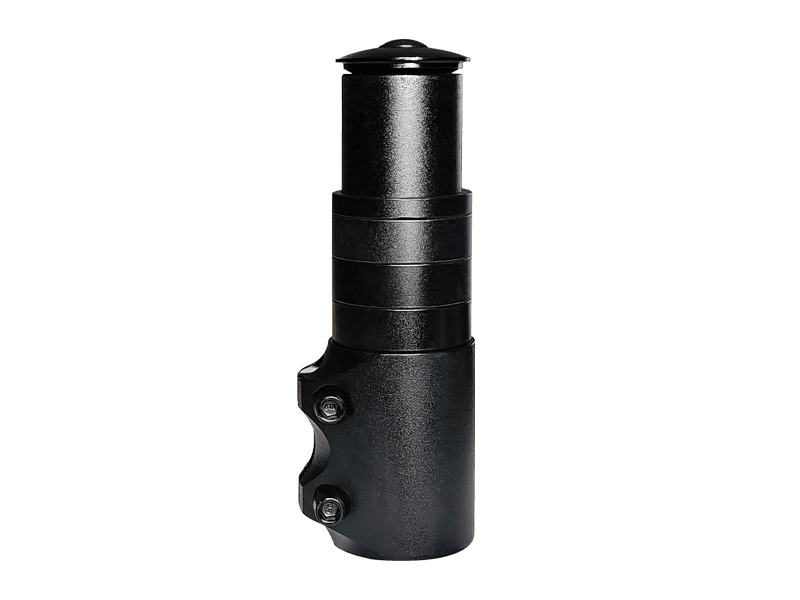
Stem Extender
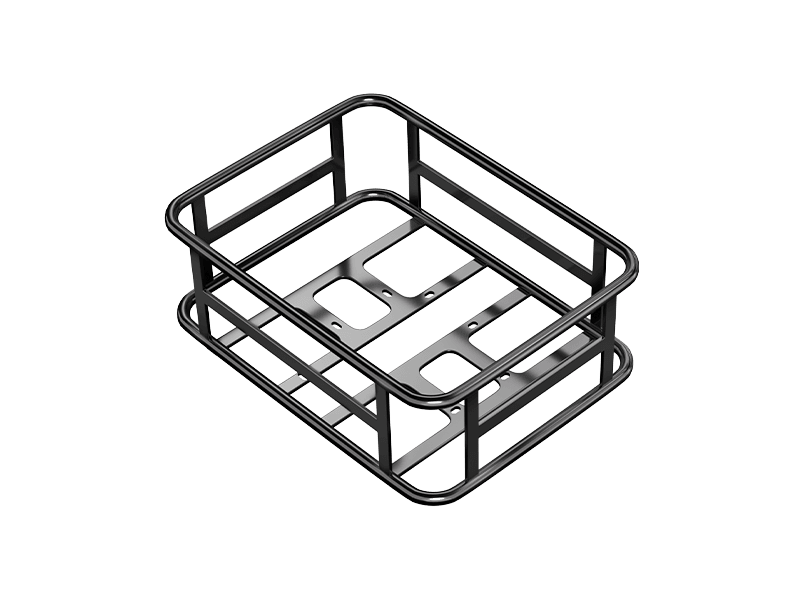
Rear Basket
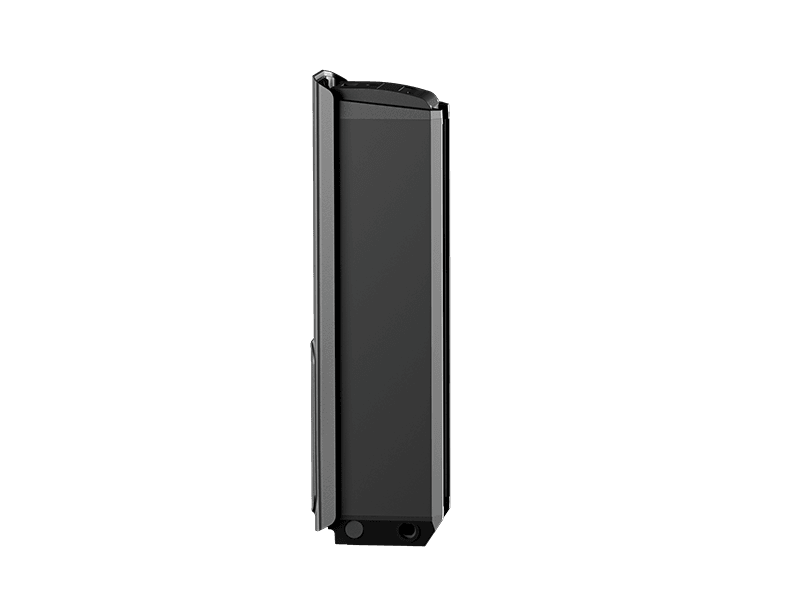
Extra Battery Pack


There's no item in your cart.
You May Also Like
Stem Extender
£35.00
Rear Basket
£89.00
Extra Battery Pack
£450.00
You're Saving £0.00
Shipping, taxes, and discount codes calculated at checkout.All Topics


6-Week / 150 Mile Review on My Freesky Swift Horse Pro
May 15, 2026 09:00
“Still Putting a Smile on My Face Every Ride” My name is Brian D. Compton, and I’ve been riding my Freesky Swift Horse Pro for about 6 weeks now, with just over 150 miles on it so far. I mainly ride on weekends when the weather is nice, and every time I take it out, it still feels like a highlight of the week. First Impressions Still Hold Up Even after more than a month of riding, the same impression remains—the bike feels solid, powerful, and very composed. Acceleration is smooth and responsive, and when you open it up, it still feels stable and controlled. On one ride, I reached about 41 mph (with wind assistance), and the bike stayed planted without feeling unstable. The real standout is the climbing ability. The 140Nm torque makes steep hills feel surprisingly manageable, almost effortless compared to a regular ride. Riding Feel & PAS Behavior Most of my riding is through neighborhoods and light suburban roads, so I often switch between PAS levels depending on the pace. The PAS system feels generally smooth, but I noticed: - PAS 2–3 works best for relaxed cruising - PAS 5 delivers a much more noticeable jump in power and speed It’s a bit of a step change between levels, and I do wish there was more fine-tuning across PAS 1–9. I’ve heard that may depend on the controller setup. That said, once you get used to it, it becomes easy to ride comfortably without overthinking the settings. Range & Battery Performance Battery performance has been solid so far. On a recent ride, I covered about 20 miles and still had 5 bars remaining, which felt reassuring. When riding more aggressively at higher PAS levels, I typically get around 35 miles before needing a recharge, which feels expected given the power output. For more details, the battery range behavior aligns well with real-world riding conditions. Handling, Braking & Comfort What stands out most is how balanced and controlled the ride feels. - Acceleration is smooth - Braking is strong and confident - Handling remains stable even at higher speeds It doesn’t feel nervous or overly sensitive, which makes it comfortable for both casual and faster riding. Upgrades I Made I’ve made a few small upgrades over time to better match my riding style: - 4” handlebar riser - New seat (stock was already decent) - DNM AO-38 rear air shock - 58T chainring These weren’t required, but they helped refine comfort and riding feel for longer sessions. Bonus Accessories & Value One unexpected highlight was the accessory package. Freesky also included around 10 free accessories, such as: - mirrors - rear rack bag - helmet - air pump - phone holder - rain cover - riding glasses - chain lock It made the bike feel ready to ride immediately, without needing extra purchases. Final Thoughts After 6 weeks and 150 miles, I’m still very satisfied with this bike. The Swift Horse Pro delivers a strong mix of speed, comfort, and stability. It handles hills easily, feels smooth at speed, and remains enjoyable on every ride. There are small adjustments I may continue exploring, but overall—it’s been a very positive experience. Rider Profile Name: Brian D. ComptonStatus: Weekend Rider / E-bike EnthusiastBike: Freesky Swift Horse ProMileage: 150+ miles (6 weeks) “Still enjoying every ride. It’s fast, smooth, and just makes weekends better.”
Read More

How Far Can an Electric Bike Go? Tips for Planning Longer Summer Rides in the UK
May 11, 2026 09:00
Summer is one of the best times to enjoy an electric bike in the UK. Whether you're riding through countryside lanes, commuting into town, exploring coastal paths, or planning a weekend adventure, one question always comes up: How far can an electric bike actually go on a single charge? The answer depends on several factors, including battery size, terrain, riding style, and weather conditions. But thanks to modern battery technology, many riders are surprised by just how far today’s e-bikes can travel. In this guide, we’ll explain what affects e-bike range, how to maximise battery performance, and how to plan enjoyable longer-distance summer rides across the UK. What Is E-Bike Range? E-bike range refers to the distance an electric bike can travel on a fully charged battery. Some riders only need enough range for short daily commutes, while others want an e-bike capable of long countryside rides or all-day touring. Depending on the model and riding conditions, most electric bikes can typically cover: - 20–40 miles (32–64 km) on smaller battery systems - 50–80 miles (80–129 km) on larger batteries - 100+ miles (160+ km) on high-capacity or dual-battery e-bikes For riders interested in touring, commuting, or weekend exploration, long range electric bikes have become increasingly popular across the UK. What Affects E-Bike Range? No two rides use battery power in exactly the same way. Here are the main factors that influence how far your e-bike can go. 1. Pedal Assist Level Higher pedal assist settings provide more support from the motor, but they also use more battery power. Using lower assistance levels can significantly extend your range, especially on flatter cycle routes or canal paths. For longer journeys, many riders alternate between low and medium assist levels to balance comfort and efficiency. 2. Terrain and Hills Terrain plays a major role in battery consumption. Flat roads and paved cycleways require far less power than: - Steep hills - Gravel tracks - Forest trails - Rural climbs This is especially important in hilly areas such as the Lake District, Yorkshire Dales, Wales, or the Scottish Highlands. That’s why powerful electric mountain bikes and fat tyre e-bikes are popular among riders tackling mixed terrain. 3. Rider and Cargo Weight Additional weight increases motor workload and battery usage. This includes: - Backpacks - Shopping bags - Child seats - Touring equipment - Camping gear If you regularly carry extra cargo, choosing a higher-capacity battery system can help maintain consistent range. 4. Wind and Weather Conditions British weather can impact e-bike performance more than many riders expect. Strong headwinds require the motor to work harder, while colder temperatures can temporarily reduce lithium battery efficiency. Fortunately, warmer summer conditions are generally ideal for achieving maximum range. 5. Tyre Pressure and Bike Maintenance Simple maintenance can noticeably improve efficiency. To maximise your e-bike range: - Keep tyres properly inflated - Lubricate the chain regularly - Check brake alignment - Keep the drivetrain clean This is especially important on full suspension e-bikes and larger fat tyre electric bikes, which naturally create more rolling resistance. How to Plan Longer Summer E-Bike Rides One of the biggest advantages of an e-bike is the ability to explore farther with less fatigue. Here are a few ways to make the most of your summer rides in the UK. Choose Scenic Routes The UK offers plenty of excellent cycling destinations, including: - Coastal paths - National parks - Forest trails - Canal towpaths - Countryside villages - Seaside promenades A capable all-terrain electric bike makes it easier to handle changing surfaces throughout longer rides. Understand Your Battery Capacity Before setting off, it helps to know: - Your battery size - Estimated riding range - Charging time - Remaining battery percentage For example: - The FREESKY Warrior Pro features a 48V 30Ah Samsung battery with up to 120 miles (193 km) of range. - The Alaska Pro dual battery system can deliver up to 200+ miles (320+ km) per charge for long-distance touring and adventure riding. For riders prioritising distance, dual battery electric bikes are becoming increasingly popular. Use Assist Modes Wisely You don’t always need maximum power. Using: - Eco mode on flatter roads - Medium assist for general riding - Higher assist only on climbs can help extend battery life significantly during longer journeys. Bring Your Charger for Day Trips If you’re planning: - A café stop - A pub lunch - Camping - A visit with friends - An overnight stay bringing your charger can provide extra peace of mind and extend your riding distance. Summer Ride Ideas by Distance Need inspiration for your next ride? Here are a few ideas based on distance. 5–10 Miles (8–16 km) - Local village rides - Seafront cruising - Quick errands - Evening countryside rides 10–25 Miles (16–40 km) - Canal path rides - National cycle routes - Park-to-park journeys - Market town exploration 25+ Miles (40+ km) - Full-day countryside adventures - Coastal touring - Forest trail exploration - Weekend camping trips Tips to Maximise E-Bike Range Want to get the most from every charge? Try these simple habits: - Fully charge before longer rides - Keep tyres inflated correctly - Pedal consistently alongside assist - Avoid aggressive acceleration - Ride at a steady pace - Store your battery indoors when possible - Reduce unnecessary cargo weight Small adjustments can make a noticeable difference over longer distances. Ready for Summer Riding? Modern electric bikes make it easier than ever to explore farther, climb hills more comfortably, and enjoy longer outdoor adventures across the UK. So how far can an electric bike go? Far enough to completely change how you experience summer riding. Whether you're exploring countryside lanes, commuting through the city, or planning weekend adventures, the right e-bike can help you ride farther, more comfortably, and with much less effort.
Read More

How to Choose the Right Electric Bike in 2026: Complete Beginner’s Guide
May 11, 2026 09:00
Electric bikes have quickly become one of the most popular ways to commute, exercise, and explore the outdoors. Whether you're looking to replace short car trips, tackle steep hills more comfortably, or simply ride farther without exhaustion, the right ebike can completely transform your riding experience. But with so many options available — fat tire ebikes、commuter models、dual-motor systems、different battery sizes, and multiple ebike classes — many first-time buyers are unsure where to start. The good news is that choosing the right electric bike becomes much easier once you understand a few key factors: - your riding style - motor power - battery range - comfort - local regulations This beginner-friendly guide explains everything you need to know before buying an electric bike in 2026, including how ebikes work, how much range you really need, and which type of ebike best fits your lifestyle. What Is an Electric Bike? An electric bike, or ebike, is a bicycle equipped with an electric motor and rechargeable battery that provide riding assistance while you pedal. Unlike motorcycles or scooters, most electric bikes are still designed around pedaling. The motor simply reduces physical effort, making hills easier, longer rides more comfortable, and daily commuting less tiring. Most modern ebikes include: - an electric motor - a lithium-ion battery - a controller system - pedal assist sensors - an LCD display Many electric bikes also include a throttle, allowing riders to accelerate without pedaling. For many new riders, an ebike feels surprisingly similar to a traditional bicycle — just with extra support when climbing hills, accelerating from stops, or riding longer distances. How Does an Electric Bike Work? Electric bikes operate through two primary systems: pedal assist and throttle control. Pedal Assist Pedal assist activates the motor only while you are pedaling. Sensors detect your cadence or pedaling force and provide proportional assistance. Most riders prefer pedal assist because it creates a smooth and natural riding experience while still providing exercise. Pedal assist levels are usually adjustable, allowing riders to choose between: - maximum efficiency - balanced support - high-power assistance for hills or strong headwinds Throttle Control Throttle-equipped ebikes allow the motor to propel the bike without pedaling. This feature is especially useful for: - starting from traffic lights - climbing steep inclines - carrying cargo - reducing fatigue during long rides Class 2 electric bikes commonly combine both pedal assist and throttle functionality, making them one of the most versatile options for everyday riders. Hub Motor vs Mid-Drive Motor: What’s the Difference? Understanding motor placement is important when choosing an ebike. Hub Motors Hub motors are installed inside the front or rear wheel. Advantages: lower costsimpler maintenancesmooth accelerationideal for commuting and casual riding Rear hub motors are especially popular on fat tire and commuter ebikes. Mid-Drive Motors Mid-drive motors are positioned near the bike’s crankset. Advantages: better hill climbingimproved weight distributionmore natural riding feelhigher efficiency on steep terrain Mid-drive systems are common on premium mountain and performance-oriented ebikes. For most beginners and urban riders, a quality rear hub motor provides excellent performance at a more affordable price. Riders who regularly deal with steep hills, loose terrain, or heavier cargo may benefit more from higher-torque systems or dual-motor electric bikes designed for demanding riding conditions. What Type of Electric Bike Should You Buy? The best electric bike depends on how and where you plan to ride. Commuter Electric Bikes Commuter ebikes are designed for daily transportation and city riding. Most commuters prefer comfort, reliability, and moderate motor power over extreme speed. Fat Tire Electric Bikes Fat tire ebikes use oversized tires for increased traction and comfort. Best for: - snow - sand - gravel - rough roads - off-road trails The wider tires absorb road vibration and improve stability, making them popular among adventure riders and heavier riders. Many riders also choose fat tire electric bikes for year-round riding in unpredictable weather conditions. Folding Electric Bikes Folding ebikes prioritize portability and storage convenience. Best for: - apartment living - RV travel - public transportation - limited storage space While generally smaller and lighter, folding ebikes may offer shorter range and lower power compared to full-sized models. Cargo Electric Bikes Cargo ebikes are built to carry: - groceries - children - work equipment - heavy loads Their stronger frames and larger batteries make them practical car replacements for many families. How Much Motor Power Do You Need? Motor power significantly affects acceleration, climbing ability, and riding feel. Most electric bikes range from 250W to 1000W or more. For most beginners, a 500W or 750W electric bike offers the best balance of performance and efficiency. Riders living in hilly areas or carrying additional cargo often benefit from higher torque motors. Dual-motor ebikes provide exceptional traction and climbing capability, especially for off-road riding and challenging terrain. Best ebikes for hill climbing. Understanding Ebike Battery Range Battery range is one of the most important factors when buying an electric bike. Most electric bikes can travel between 25 and 80 miles on a single charge depending on: - battery size - terrain - rider weight - wind conditions - assist level - tire pressure - temperature What Do Ah and Wh Mean? Battery capacity is commonly measured in amp-hours (Ah) and watt-hours (Wh). Higher watt-hour ratings generally mean longer riding range. For example: - 48V 15Ah battery = 720Wh - 48V 30Ah battery = 1440Wh Larger batteries are especially useful for: - long-distance commuting - adventure riding - cold-weather riding - higher assist levels Riders planning longer commutes, weekend adventures, or all-day rides often prefer larger-capacity batteries because they reduce charging frequency and provide greater range confidence. Long-range electric bikes with dual-battery systems have also become increasingly popular among riders who regularly travel extended distances or ride in colder weather conditions. How Far Can an Ebike Go on One Charge? Most riders realistically achieve: - 25–40 miles using high assist levels - 40–70 miles using moderate assist - 70+ miles using low assist and efficient riding habits Cold temperatures can temporarily reduce lithium battery efficiency, which is why winter riders often notice shorter range. If your daily commute is 20 miles round trip, choosing an ebike with at least 40–50 miles of realistic range provides a comfortable safety margin. Cadence Sensor vs Torque Sensor This is one of the biggest differences in riding feel. Cadence sensors are common on entry-level and recreational ebikes because they are simple and comfortable. Torque sensors feel more responsive and intuitive because motor output changes according to how hard you pedal. Many experienced riders prefer torque sensors for: - smoother acceleration - better control - more bicycle-like handling Class 1 vs Class 2 vs Class 3 Ebikes Electric bikes in the United States are generally divided into three classes. Class 1 Ebikes - Pedal assist only - Maximum assisted speed: 20 mph Best for: - bike paths - recreational trails - casual commuting Class 2 Ebikes - Pedal assist + throttle - Maximum assisted speed: 20 mph Best for: - versatile everyday riding - urban commuting - riders who want throttle support Class 2 models remain one of the most popular categories because they balance convenience and accessibility. Class 3 Ebikes - Pedal assist only - Maximum assisted speed: 28 mph Best for: - road commuting - faster travel - experienced riders Some bike paths and trails restrict Class 3 ebikes, so checking local regulations is important before purchasing. How Much Should You Spend on an Electric Bike? Most quality electric bikes cost between $1,500 and $3,500. Entry-Level Ebikes ($800–$1,500) Suitable for: - casual riding - short commutes - flat terrain However, lower-priced ebikes may use: - smaller batteries - weaker motors - lower-quality brakes - less reliable components Mid-Range Ebikes ($1,500–$3,000) This is the sweet spot for most riders. Typically includes: - stronger motors - longer battery range - hydraulic brakes - better ride comfort - improved reliability Most commuters and recreational riders find the best value in this category. Premium Ebikes ($3,000+) Designed for: - long-distance riding - off-road performance - cargo hauling - advanced suspension systems Premium models often include larger batteries, torque sensors, and high-end drivetrain components. What Size Electric Bike Do I Need? Choosing the correct frame size improves: - comfort - control - riding efficiency Most ebike brands provide height recommendations based on rider measurements. In general: - riders under 5'5" often prefer smaller frames or step-through models - riders between 5'6" and 5'10" typically fit medium frames - taller riders may require large or extended frames Step-through electric bikes are especially popular among: - commuters - seniors - riders prioritizing comfort - riders with limited mobility Are Electric Bikes Worth It? For many riders, electric bikes quickly become one of the most practical purchases they make. Ebikes can help: - reduce commuting costs - replace short car trips - make exercise more accessible - encourage outdoor activity - reduce physical strain on hills Many first-time riders are surprised that ebikes still provide meaningful exercise. The motor simply reduces fatigue and makes riding more approachable for a wider range of people. Compared to rising fuel, parking, and transportation costs, electric bikes can provide long-term savings while offering greater flexibility and enjoyment. Essential Safety Gear for Electric Bike Riders A quality helmet should always be considered mandatory. Additional safety essentials include: - front and rear lights - reflective clothing - gloves - mirrors - durable bike locks Because ebikes are heavier and faster than traditional bicycles, hydraulic disc brakes and high-visibility lighting are especially valuable. For urban riders, investing in a strong U-lock or chain lock is highly recommended. How to Maintain an Electric Bike Proper maintenance improves both performance and lifespan. Battery Care - avoid extreme temperatures - avoid full battery depletion - use the recommended charger - store indoors when possible Tire Pressure Underinflated tires: - reduce range - increase wear - decrease handling stability Check tire pressure regularly. Drivetrain Maintenance Keep the chain: - clean - lubricated - free of debris Ebikes place additional stress on drivetrains because of higher motor torque. Professional Service Annual tune-ups help maintain: - brake performance - electrical systems - drivetrain efficiency Finding a local shop familiar with ebike systems can make long-term ownership much easier. 7 Questions to Ask Before Buying an Electric Bike Before purchasing an ebike, ask yourself: 1. What type of riding will I do most often? 2. How much range do I realistically need? 3. Will I ride on hills, snow, sand, or trails? 4. Do I want throttle functionality? 5. Is the bike comfortable for my height and riding style? 6. Is local service available for this brand? 7. Does the total budget include safety accessories and locks? Answering these questions helps narrow down the best ebike for your lifestyle and budget. Final Thoughts Choosing the right electric bike does not need to feel overwhelming. For most beginners, the ideal ebike is not necessarily the fastest or most expensive model. Instead, it is the bike that best matches your daily riding habits, comfort preferences, and local terrain. Whether you need a lightweight commuter ebike for city streets, a dual motor electric bike for outdoor adventures, or a long-range electric bike for extended travel, understanding the basics of motor power, battery range, and riding style will help you make a far more confident buying decision.
Read More

The Warrior Pro — Built Together, Ridden Everywhere, Still Discovering Limits
Apr 24, 2026 09:00
My name is James Nelson, and I bought the Warrior Pro just under a year ago. From the moment it arrived, it wasn’t just a delivery—it became a project I shared with my daughter. We built it together in the garage, both of us genuinely excited, like it was Christmas morning. It took just over an hour to assemble, but the moment it was ready, I knew exactly where it was going first. First Ride — Straight Into the WoodsI took it directly into my local woodlands for its first proper ride. The experience was immediate. The Warrior Pro doesn’t hesitate—it moves with strength and confidence from the start. On the trails, it felt like a different class of machine entirely. Steep inclines that normally demand effort simply disappeared under it. It didn’t struggle, it didn’t slow down—it just kept going. The bike handled uneven ground, roots, and climbs as if they were part of its natural environment. It felt less like I was riding something and more like I was guiding something already built for that terrain. Power You Can Feel InstantlyOn the way back from that first ride, curiosity took over. On a clear stretch of path, I decided to open it up using the throttle just to see what it could really do. The acceleration was strong and immediate, building speed smoothly and confidently. It didn’t feel uncontrolled—it felt engineered. Using GPS on my phone, I clocked just over 30 mph before I had to ease off. That moment genuinely surprised me. It was faster than expected, and I hadn’t even pushed anywhere near its limit. Even now, I still haven’t explored the top speed of this bike. There’s always a sense that more is there when you need it. A Bike That Became Part of Everyday LifeWhat started as a trail machine quickly became something I use far more regularly. Short journeys, quick rides into town, exploring back roads—over time, the Warrior Pro naturally became part of my everyday routine. It transitions easily from recreational riding to practical transport without feeling out of place in either role. It’s not a bike I “save for weekends.” It’s one I actually use. Exploring New Trails and Open SpacesOver the past months, I’ve taken it across a variety of rides—through woodland plantations, rural lanes, open countryside, and new paths I find along the way. Some rides are planned, others are completely spontaneous. That flexibility is part of what makes it enjoyable. There’s something satisfying about turning onto a trail just to see where it leads, knowing the bike can handle whatever comes next without hesitation. Comfort in All ConditionsThe Warrior Pro has also handled mixed riding conditions with ease—muddy lanes, damp trails, long stretches of uneven ground. It stays stable, responsive, and controlled, which makes longer rides more enjoyable. I can focus on the ride itself rather than worrying about what the terrain will do next. Moments That Stick With YouSome rides aren’t about distance or speed. Stopping by a river for a break. Riding past open fields where the bike quietly rolls forward. Pausing mid-ride just to take in the surroundings. These small moments are often what stay in your mind longer than anything else. Final ThoughtsThe Warrior Pro has become more than just an e-bike for me. It’s a machine that encourages exploration. It’s powerful enough to feel exciting, yet stable enough to trust every day. It fits both adventure riding and everyday use without compromise. I would recommend it to anyone looking for a true adventure e-bike—something that can handle real terrain, real distance, and still bring a sense of excitement every time you ride it. It doesn’t just perform. It invites you to keep going a little further each time. Rider ProfileName: James NelsonLocation: South Devon, UKStatus: Rider / E-bike EnthusiastBike: Warrior Pro "Built it with my daughter, rode it into the woods, and it never stopped surprising me. It’s become part of my everyday life as much as my adventures."
Read More

300 km on My Swift Horse — Every Ride a Step Into Nature and Freedom
Apr 24, 2026 09:00
My name is Daniel Stjean, and my Swift Horse has just reached the 300 km mark (including a 40 km ride today). It may not sound like a large distance, but each kilometer has come from consistent short rides whenever the weather in Québec allows it—and each one has added something valuable to the experience. I didn’t expect this bike to become part of my routine so quickly. What started as simple test rides has naturally turned into something I now look forward to whenever I get the chance to go out. A Simple Start That Became a HabitAt first, the rides were short and casual—just getting familiar with the bike and exploring nearby areas. But very quickly, it became clear that the Swift Horse was built for more than just occasional use. Even on short outings, it delivers a strong and stable riding experience. It climbs steep hills smoothly and confidently, making terrain that would normally feel demanding become enjoyable and effortless. Each ride feels consistent. I don’t have to think too much about performance—it simply responds and performs as expected every time. Short Rides, Full ExperienceMost of my recent rides have been relatively short, often just stepping out for a quick loop. But even within a short distance, the experience feels complete. One of the most enjoyable aspects is how quickly the environment changes. In just a few minutes, I can move from city surroundings into quiet natural spaces. That immediate transition makes even a brief ride feel refreshing. Sometimes I stop along the way just to take in the scenery or capture a few photos. These small pauses have naturally become part of the riding experience. Consistent Performance on Every RideWhat stands out most about the Swift Horse is its reliability. Whether riding in cooler temperatures or on damp roads, it remains steady and capable. It handles inclines with ease and maintains smooth power delivery throughout the ride. Even on shorter trips, I can ride at a comfortable pace without feeling limited, and return without worrying about frequent charging. That balance between performance and efficiency makes it practical for everyday use, not just longer recreational rides. Living Close to NatureOne of the advantages of where I live is how close nature is to everyday life. Within just a few minutes, I can move from urban streets into quiet, open scenery. That accessibility changes how I see short rides. They are no longer “just trips,” but small escapes into nature that fit easily into daily routines. A Different Way to MoveE-bikes, in general, offer something very practical. They don’t rely on fuel, they operate quietly, and they are economical to use. For me, the Swift Horse represents a simple and efficient way to stay active while enjoying the outdoors. It’s not about complexity—it’s about ease, accessibility, and the ability to ride whenever the opportunity appears. Final ThoughtsReaching 300 km is only a small milestone, but it reflects a consistent and enjoyable experience over time. The Swift Horse has become a reliable part of my routine—whether for short local rides or quick moments of escape into nature. It offers stability, comfort, and a sense of freedom that fits naturally into everyday life. Each ride, no matter how short, feels like a small reminder to slow down and appreciate the surroundings. Ride safe, and enjoy every moment on the road. 🚴 Rider ProfileName: Daniel StjeanLocation: Sherbrooke, Québec, CanadaStatus: Rider / E-bike EnthusiastBike: Swift Horse Pro "Even short rides feel meaningful when the bike performs this consistently. It has become a simple and enjoyable part of my everyday life."
Read More

Two Months on the Swift Horse Pro — Rediscovering Freedom at 61
Apr 23, 2026 09:00
My name is Robert Coco Tellier, I’m 61 years old, and recently retired. After decades of working life, I found myself facing a simple but important question—how to fill my days with something meaningful, something that brings both purpose and genuine enjoyment. I didn’t expect the answer to come on two wheels. At the beginning of March 2026, I received my new Swift Horse Pro. What started as curiosity quickly became something much deeper—a new passion, a daily ritual, and above all, a renewed sense of freedom. A Fresh Start on Two WheelsEarly spring brought those first gentle days when the air begins to soften and the light feels warmer. It felt like the perfect moment to step outside and try something new. From the very first ride, I was impressed. The bike feels incredibly solid and reassuring. There is a real sense of stability and quality in its construction, which immediately builds confidence. What stood out most was its power. The Swift Horse Pro delivers smooth, responsive assistance that makes every ride enjoyable. Hills are no longer an obstacle—they’ve become part of the pleasure. Instead of effort, I feel curiosity and motivation to keep exploring. Exploring with Comfort and ConfidenceMy rides usually take me along quiet roads and small countryside paths. Some stretches are smooth and easy, perfect for relaxed cruising, while others include light gravel or uneven terrain. No matter the conditions, the bike handles everything with ease. It absorbs imperfections in the road and keeps the ride comfortable from start to finish. This allows me to focus on what truly matters—the surroundings, the fresh air, and the simple joy of riding. There’s a natural rhythm that comes with each ride. It’s steady, calming, and deeply satisfying. The Freedom of Long RidesOne of the biggest surprises has been the battery performance. The long-lasting battery gives me the confidence to ride without constantly thinking about range. I can take detours, explore new paths, and extend my rides without hesitation. That freedom transforms each outing into an open experience, guided by desire rather than limitation. Moments of Pure EnjoymentDuring my rides, I often stop for a moment—by a quiet path, near open fields, or under a line of trees. These pauses have become part of the experience. There is a calm, simple happiness in these moments. A feeling of being fully present, with no urgency and no pressure. Each time I get on my Swift Horse Pro, I feel that same sense of joy. It’s like rediscovering something I didn’t realize I had lost. Why This Bike Changed My LifeRetirement is often seen as a closing chapter. For me, it has become the beginning of something new. The Swift Horse Pro is more than just a bike. It has given structure to my days, encouraged me to stay active, and brought back a sense of excitement and freedom. There is also a simple, almost childlike pleasure in riding—something truly valuable at any age. Rider ProfileName: Robert Coco Tellier Age: 61 Status: Retired Favorite Ride: Quiet countryside roads and local paths Bike: Swift Horse Pro "Since I received my Swift Horse Pro, I’ve rediscovered a sense of freedom and happiness. Every ride feels like a new beginning." Discover the Swift Horse ProWhether you're beginning a new chapter or simply looking to enjoy the outdoors again, the Swift Horse Pro is built to bring comfort, power, and lasting enjoyment to every ride. 👉 Start your own journey and experience the freedom for yourself. 🚴
Read More

Gift Mom Real Freedom: Why a FREESKY Electric Bike Is a Thoughtful Mother’s Day Surprise
Apr 22, 2026 09:00
Mother’s Day tends to arrive quietly, and before you know it, you’re back to choosing between flowers and a brunch reservation. Those gestures matter—but if you’re looking for something that lasts longer than a weekend, an electric bike offers a different kind of meaning. A FREESKY electric bike isn’t just a gift. It’s a way to give Mom more freedom in her daily life—more ease, more mobility, and a little more time for herself. Why Electric Bikes Make Sense for Moms Effortless Riding, More Enjoyment Electric bikes provide gentle pedal assistance, reducing strain while keeping the experience natural. For moms returning to exercise or simply wanting a more relaxed ride, this makes cycling feel approachable again—without pressure or fatigue. Practical for Daily Life From quick grocery runs to short commutes, an e-bike fits naturally into everyday routines. It’s faster than walking, easier than driving in traffic, and removes the hassle of parking. Over time, it becomes less of a “ride” and more of a reliable daily tool. A Gentle Way to Stay Active E-bikes encourage consistent movement without intensity. They support cardiovascular health while staying low-impact—ideal for maintaining fitness in a sustainable way. A Mental Reset Even a short ride can create space to unwind. Fresh air, light movement, and a change of pace can help clear the mind. For many moms, that quiet time is often the most valuable part. More Freedom to Explore With motor support and extended range, longer rides feel less demanding. Whether it’s a weekend outing with family or a solo ride, e-bikes make it easier to go a little further without worrying about the return trip. What to Look for in an E-Bike for Mom When choosing the right model, comfort and usability matter more than raw specs: - Step-through frame: Easier to get on and off - Battery capacity: More flexibility for daily use - Motor performance: Smooth, predictable assistance - Suspension system: Added comfort on uneven roads - Cargo capability: Helpful for errands and carrying essentials Where FREESKY Fits In FREESKY focuses on practical performance—balancing power, range, and comfort in a way that suits real-world riding. - For moms who want strong support on hills or mixed terrain, dual-motor options like the Warrior Pro offer added confidence. - For those prioritizing longer rides and fewer charging interruptions, dual-battery setups such as the Alaska Pro provide extended range. - For a more natural, intuitive riding feel, torque-sensor models like the Nova deliver smoother assistance for everyday use. Rather than being overbuilt, these configurations are designed to match different lifestyles—whether it’s daily errands, light exercise, or weekend exploration. Useful Accessories to Complete the Gift If you want to make the experience more complete, a few additions go a long way: - Helmet: Essential for safety and peace of mind - Bike lock: Keeps the bike secure during stops - Rear rack bag (pannier): Makes carrying items easier - Phone mount: Helpful for navigation or staying connected - GPS smartwatch: Tracks rides and basic health data Final Thought A good Mother’s Day gift doesn’t just sit on a shelf—it becomes part of daily life. An electric bike offers something subtle but meaningful: a little less effort, a little more freedom, and more moments spent outdoors instead of in transit. If you’re choosing something that combines practicality with long-term value, a FREESKY electric bike is a thoughtful way to give Mom not just a gift—but a better everyday experience.
Read More

Earth Day Bike Ride Event: Turn Every Kilometer into a Greener Future 🌍🚴
Apr 21, 2026 09:00
Each year, Earth Day reminds us that protecting the planet doesn’t always require grand gestures. Sometimes, the most meaningful change comes from simple, consistent actions—like choosing to ride instead of drive. This year, we’re inviting riders to celebrate Earth Day in a more active and impactful way: by turning every kilometer into a step toward a cleaner, greener world. Why Ride for Earth Day? Transportation is one of the largest contributors to carbon emissions. Swapping short car trips for bike rides can significantly reduce your personal carbon footprint. Beyond the environmental benefits, cycling also improves physical health, reduces stress, and reconnects you with your surroundings. Earth Day is not just about awareness—it’s about action. And there’s no better way to take part than by getting out and riding. Event Overview 📅 Event Duration: April 21–27, 2026 During this week, every ride you take becomes part of a collective effort to make a difference. Whether it’s a quick commute, a scenic weekend ride, or a long-distance challenge, your kilometers matter. How to Participate Joining is simple and open to all riders: - Track your rides: Record the total kilometers you ride each day. - Share your journey: Post your daily distance along with photos from your ride in the group. - No bike restrictions: Scenic photos are welcome—even if your Freesky bike isn’t in the frame. This event isn’t just about competition—it’s about sharing experiences, inspiring others, and celebrating the joy of riding. Rewards for Your Effort 🎁 To recognize your participation and enthusiasm, we’ve prepared a selection of prizes: 🥇 First Prize (1 winner): Bike Care Kit + £220 eBike Discount Voucher 🥈 Second Prize (3 winners): Electric Air Pump 🥉 Third Prize (5 winners): £22 Accessories Discount Voucher How Winners Are Selected Winners will be determined based on the number of likes their posts receive. This encourages not only active participation but also community engagement—so be sure to share your best moments and interact with fellow riders. Winner Announcement 📢 April 27, 2026 All winners will be announced at the end of the event. Stay engaged, support others, and maximize your chances by sharing compelling ride stories and visuals. Make Every Kilometer Count Earth Day is a reminder that small actions, when multiplied by many, can create real impact. Each kilometer you ride represents less pollution, less congestion, and a healthier lifestyle. So whether you’re riding through city streets, coastal paths, or quiet countryside roads—know that your effort contributes to something bigger. This Earth Day, ride with purpose.Share your journey.And help move the world forward—one kilometer at a time. 🌱🚴
Read More

Save More, Ride Electric. ⚡️ Why More Riders Are Switching to eBikes
Apr 17, 2026 09:00
With fuel prices remaining unpredictable, many commuters are reconsidering how they move through daily life. Electric bikes have quietly become one of the most practical alternatives to car dependency—especially for short urban and suburban trips. Research from transportation institutes has consistently shown that a significant share of eBike usage replaces car trips, particularly for commuting, errands, and first/last-mile travel. This shift is not just a lifestyle trend—it reflects a broader change in how people balance cost, convenience, and sustainability. Here’s what’s driving the transition. Cut Daily Transportation Costs—Not Just Fuel ⛽ One of the most immediate advantages of switching to an eBike is cost reduction. Compared to a car, the ongoing expenses are dramatically lower: - Energy cost: Charging an eBike typically costs only a few dollars per year in electricity under normal usage conditions. - Maintenance: Routine servicing is generally simple and inexpensive, often limited to tires, brakes, and basic tune-ups. - Insurance & registration: Most eBikes do not require the same financial commitments as motor vehicles. Meanwhile, car ownership continues to rise in total annual cost due to fuel, insurance, maintenance, and unexpected repairs. For many users, even replacing a few weekly car trips with an eBike quickly offsets the initial purchase cost. A growing number of entry-level eBikes are also priced competitively, making the switch more accessible than ever. A Lower-Impact Way to Move 🌱 Transportation remains one of the largest contributors to urban emissions. Even short-distance car trips—often under a few miles—account for a disproportionate share of unnecessary fuel consumption. Shifting these trips to eBikes helps reduce: - Tailpipe emissions from short commutes - Traffic congestion in dense areas - Overall energy consumption per trip Because eBikes are electrically assisted rather than fully motor-driven like cars, their environmental footprint is significantly lower across both usage and infrastructure impact. Even partial adoption—such as replacing one or two weekly car commutes—can collectively scale into meaningful reductions in emissions when adopted widely across cities. Built for Everyday Convenience 🚲 Beyond cost and environmental benefits, practicality is a major reason riders make the switch. eBikes are particularly effective for: - Short-to-medium commutes (typically under 10 miles) - Urban errands and grocery trips - Avoiding traffic delays and parking constraints They also reduce friction in daily planning—no fuel stops, fewer parking issues, and more predictable travel times in congested areas. For many riders, the experience feels less like “transportation planning” and more like simply riding out when needed. A Shift That’s Already Happening The rise of eBikes is not theoretical—it’s visible in everyday commuting patterns across cities. As infrastructure improves and awareness grows, more riders are integrating electric cycling into their routine rather than treating it as a niche alternative. This transition is gradual, but consistent: fewer short car trips, more flexible local mobility, and a steady rethinking of what “daily transportation” looks like. Final Thought Switching to an eBike is not about replacing every car trip. It’s about replacing the ones that don’t need to be driven. For many riders, that small change is where the real savings—and convenience—begin. ⚡
Read More
| Product Title |
| Price |
| Color |
| Frame Style |
| Mode |
| Power |
| Battery Capacity |
| Charging Time |
| Assist Speed |
| Range |
| Rider Height |
| Rear Derailleur |
| Front Fork |
| Motor |
| Sensor |
| Charger |
| Torque |
| Suspension |
| Display |
| Brakes |
| Tires |
| Seat Post |
| Bike Weight |


