


FREESKY Blogs
Stay updated with the latest news, tips, and insights on e-bikes, technology, and sustainable riding through the FREESKY blog.
You May Also Like
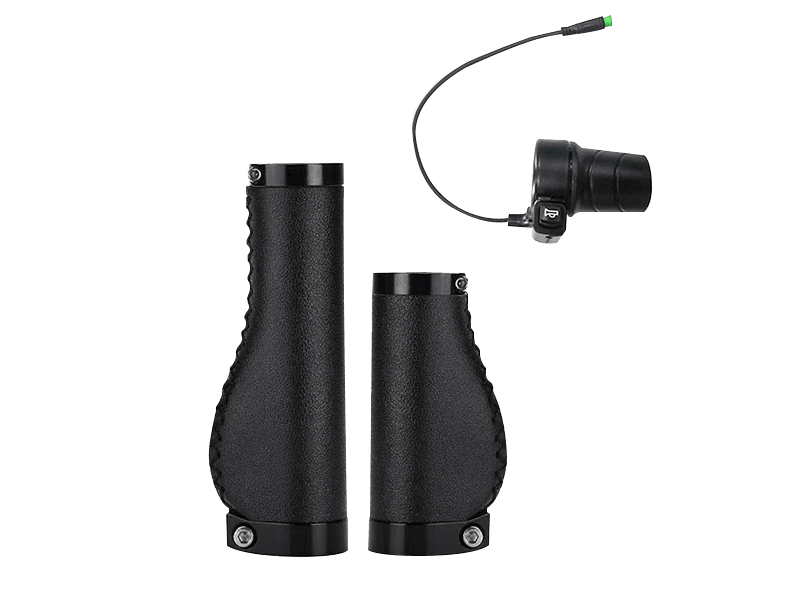
Twist Throttle with Grips
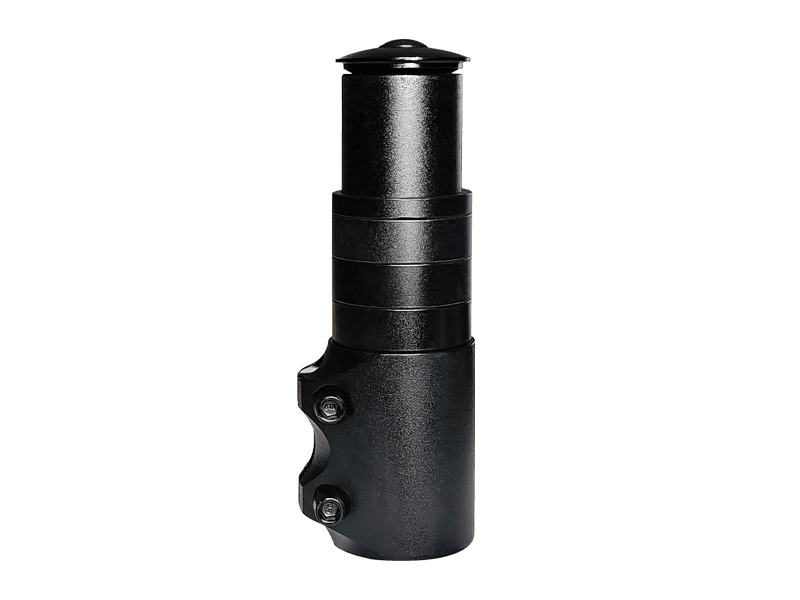
Stem Extender
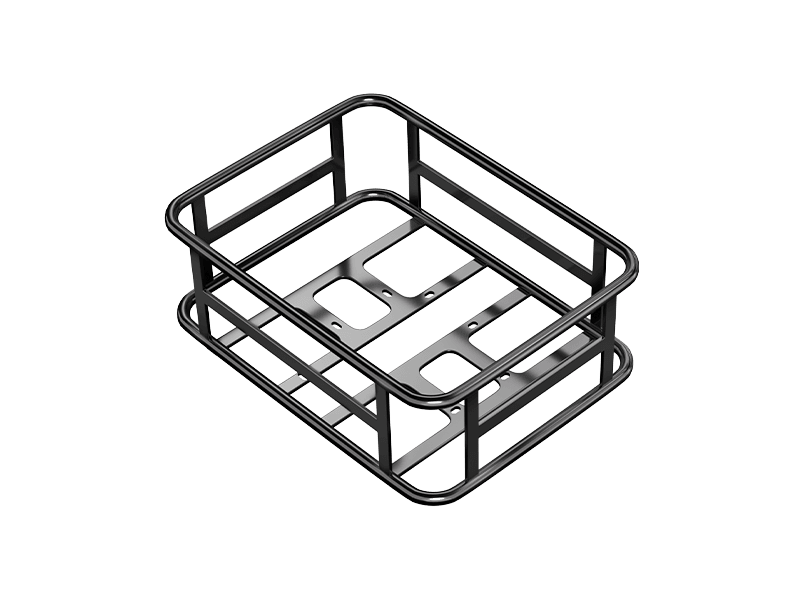
Rear Basket


There's no item in your cart.
You May Also Like
Twist Throttle with Grips
£59.00
Stem Extender
£35.00
Rear Basket
£89.00
You're Saving £0.00
Shipping, taxes, and discount codes calculated at checkout.All Topics


Last-Mile Transport Options for Football Events in the UK: How to Avoid Traffic and Parking Stress
Jun 05, 2026 09:00
Football in the UK is more than a sport—it’s a national travel event. From Premier League weekends in London and Manchester to Champions League nights and cup finals at Wembley Stadium, millions of fans move through the same transport networks at the same time. And while most people focus on tickets and kick-off time, the real challenge is often much simpler: How do you actually get to the stadium without getting stuck in crowds? For many fans, the experience isn’t ruined by the match—it’s shaped by the journey. Why Match Day Travel Gets So Congested in the UK Unlike car-heavy countries, UK match day congestion is built around a different system: trains, tubes, and walking routes. But the problem is the same—everyone moves at once. Typical issues include: - Overcrowded Tube stations before kick-off- Train delays on match days- Long queues at major interchange stations- Post-match rush on return services- Congestion around stadium exits and walking routes In cities like London, Manchester, and Birmingham, the final 1–3 miles often become the slowest part of the journey. Not because of distance—but because of volume. Major Stadiums & Match Day Travel Overview (UK) City Stadium Main Issue Travel Tip London Wembley Stadium Tube congestion Avoid peak station exits London Emirates Stadium Narrow station access Use alternative routes Manchester Old Trafford Rail bottlenecks Walk or cycle from station Manchester Etihad Stadium Event crowd flow Avoid main tram exits Birmingham Villa Park Limited rail capacity Plan return early Liverpool Anfield Road + bus congestion Arrive earlier than expected Newcastle St James’ Park Dense city centre Minimise central transfers Getting to the Stadium Is Not Just About Trains or Walking Most fans plan their journey like this: “Take the train to the city → walk to stadium” On paper, this works. In reality, match day changes everything: - Stations become temporary bottlenecks- Walking routes turn into slow-moving crowds- Ride-hailing becomes expensive and delayed- Exit times after the match are unpredictable This is why more fans are starting to rethink something important: The journey is not one route—it is multiple stages. A Smarter Strategy: Rethinking the Last Mile Instead of treating transport as a single journey, experienced fans now split it into three stages: 1.Travel to a main hub (train / tube / regional rail)2.Avoid the most congested interchange points3.Complete the final stretch using flexible local mobility This is where last-mile transport becomes critical. And in many UK cities, that last stretch is often only 1–5 miles—but can take disproportionately long during peak match hours. In real-world situations, this approach often works better than relying on ride-hailing services or walking through crowded exit routes. An electric bike can help fans bypass traffic bottlenecks, avoid long queues, and leave the stadium area more efficiently after the match. Some fans prefer commuter options such as the FREESKY Rocky Pro, especially for match days where last-mile transport can be unpredictable. With its torque-sensor pedal assist and long-range battery, it offers a practical way to navigate busy routes around football stadiums. For many supporters, parking a little farther away and riding the final stretch can be less stressful than dealing with congestion close to the venue. Why the “Last Few Miles” Matter Most The biggest delays rarely happen on long-distance travel. They happen here: - Leaving major stations like Wembley Park or Manchester Piccadilly- Crossing pedestrian congestion zones- Waiting for delayed connecting transport- Competing with thousands of fans exiting at the same time After the match, the situation reverses: - Tube queues can stretch far beyond stations- Train platforms become overloaded- Uber surge pricing spikes instantly This is why fans are increasingly looking for more predictable last-mile options. Best Last-Mile Transport Options for Football Events Different fans use different solutions depending on distance, city layout, and timing. 🚶 Walking Best for: short distances (under 1 mile) Pros: - Free- Simple- Reliable Cons: - Slow in crowds- Not ideal after late-night matches 🚇 Tube / Tram / Bus Best for: major city stadiums Pros: - Integrated network- Widely available Cons: - Severe match-day congestion- Delays during peak exit times 🚖 Ride-hailing Best for: off-peak travel Pros: Door-to-door convenience Cons: - Surge pricing- Traffic bottlenecks near stadiums 🚲 commuter electric bikes / electric bikes Best for: last-mile stadium access in urban UK environments For many fans, the most flexible option is now commuter electric bikes. They are increasingly used for: - Station → stadium transfers- Avoiding Tube exit congestion- Faster post-match departure- Navigating short urban distances without delays Unlike fixed transport, electric bikes allow fans to move independently of crowd flow. In cities like London or Manchester, a short ride can often replace a 20–40 minute crowded walk or delayed connection. Some riders prefer long-range electric bikes designed for urban commuting, especially for match days where timing matters. A Smarter Strategy: Split Your Journey A practical match-day approach looks like this: - Take national rail or Tube to a station outside peak congestion zones- Avoid the busiest interchange stations where possible- Use a flexible last-mile option (walk, tram, or electric bike)- Plan your return route before kick-off ends In many cases, arriving slightly further away and completing the last mile independently results in a faster overall journey. Plan Ahead, Enjoy the Match More Football match days are not just about the 90 minutes on the pitch. They are full-day travel experiences. Fans often spend more time: - Entering the stadium area- Waiting after the match- Navigating transport queues than actually watching the game. Planning how you move between these points can significantly change the experience. Even small improvements in last-mile travel can reduce stress and improve timing reliability. The Game Starts Before Kick-Off The 2026 season and major UK football fixtures will bring even higher travel demand across cities. While most attention goes to fixtures and results, the real difference in experience often comes down to something simpler: How smoothly you get in—and how quickly you get out. That’s why more fans are now rethinking last-mile transport as part of match-day planning. Because once the journey becomes predictable, the match becomes easier to enjoy. And in many ways, the experience starts long before you reach the stadium.
Read More

5 Ways Riding an E-Bike Boosts Mental Health This Summer
May 25, 2026 09:00
Summer has a different energy. The days feel longer. The air feels lighter. People spend more time outside, windows stay open later, and suddenly even an ordinary ride feels like an escape from routine. But modern life doesn’t automatically slow down just because the weather improves. Notifications still buzz. Work stress still follows people home. Endless scrolling still eats away at attention spans. And mentally, many people feel more overstimulated and exhausted than ever. That’s one reason summer e-bike rides feel so refreshing. You head out for a ride, sunlight hits your face, warm air moves past you, and within minutes something shifts. Your shoulders relax. Your breathing steadies. Your thoughts become quieter and clearer. And there’s real science behind why. From reducing stress hormones to improving mood and encouraging social connection, riding an e-bike can offer meaningful mental health benefits — especially during summer when longer days naturally encourage more outdoor activity. Here are five reasons summer e-bike riding may be one of the best things you can do for your mind this season. 1. Movement Helps Reduce Stress and Improve Mood One of the biggest mental health benefits of riding an e-bike is simple: You’re moving your body. Even with pedal assist, e-bike riding still involves physical activity that encourages the brain to release chemicals associated with improved mood and reduced stress, including: - Endorphins - Dopamine - Serotonin These play important roles in emotional balance, motivation, and mental wellbeing. Research consistently shows that moderate aerobic activity can help: - Reduce stress - Improve mood - Support emotional resilience - Decrease symptoms of anxiety And this is where e-bikes stand out. Traditional cycling can sometimes feel intimidating due to: - Hills - Fatigue - Long distances - Fitness concerns - Joint discomfort Pedal assist helps remove many of those barriers. Instead of feeling overwhelmed by effort, riders can stay in a comfortable, sustainable rhythm — exactly where many mental health benefits occur. The result feels less like “exercise” and more like freedom. 2. Summer Riding Helps You Disconnect From Screens Most people spend a huge portion of the day looking at screens. Phones, laptops, televisions, notifications, emails, social media, news updates — the brain rarely gets a real break from digital stimulation. Summer e-bike rides interrupt that cycle. When you ride: - Your hands leave the phone - Your attention shifts outdoors - Your eyes focus on movement and scenery instead of screens - Your brain processes real-world sensory input Warm wind, trees moving in the sunlight, changing landscapes, birds, traffic sounds, ocean air, shaded paths — these experiences engage the brain differently than digital content. Natural environments help reduce mental fatigue and allow attention to recover more naturally. Even a short evening ride through a park or neighbourhood trail can feel mentally refreshing in a way screen-based downtime often doesn’t. 3. Sunlight Supports Better Mental Balance One of summer’s biggest mental health advantages is increased daylight. Sunlight plays a major role in regulating: - Sleep cycles - Energy levels - Mood - Hormone balance Exposure to natural light helps support serotonin production, which is strongly associated with emotional stability and positive mood. After spending months indoors during colder seasons, many people unknowingly experience disruptions to these natural rhythms. Summer riding helps reset them. Morning or evening rides expose the body to natural daylight while combining: - Movement - Fresh air - Outdoor stimulation - Moderate exercise That combination can help improve: - Sleep quality - Energy during the day - Emotional balance - Overall mental clarity And unlike sitting outside passively, riding adds motion and engagement that make the experience even more immersive. 4. Riding Creates More Social Connection Mental health is strongly connected to human connection. Unfortunately, modern routines often make social interaction feel surprisingly limited. Many conversations now happen through screens instead of shared experiences. E-bike riding naturally creates opportunities for real-world connection. That could mean: - Riding with friends - Family weekend rides - Coffee runs together - Group trail rides - Meeting other riders along the route One reason cycling works so well socially is because the interaction feels relaxed and low-pressure. You don’t have to sit face-to-face forcing conversation. Riding side-by-side often creates more natural and comfortable communication. Even small social interactions during rides can improve mood and reduce feelings of isolation. And during summer, people are naturally more likely to: - Spend time outdoors - Explore local trails - Attend events - Ride recreationally That makes summer one of the best seasons for turning riding into a shared experience. 5. Exploring New Places Keeps the Brain Engaged The brain responds positively to novelty. New environments stimulate curiosity, attention, and motivation in ways repetitive routines often don’t. E-bikes make exploration easier because they expand how far you can comfortably travel. Suddenly: - A scenic trail across town feels accessible - A beach path becomes an easy afternoon ride - A hidden café or park becomes part of the adventure - Longer routes feel manageable instead of exhausting And riding at bike speed changes how you experience places. You notice: - Small streets - Quiet greenways - Summer markets - Waterfront paths - Sunsets - Hidden neighbourhood spots These small discoveries create moments of curiosity and enjoyment that help break mental monotony. Even short local rides can feel like mini-adventures during summer when the weather encourages exploration. Why Summer E-Bike Riding Feels Different Summer naturally encourages outdoor activity. Longer days, warmer temperatures, and better weather make it easier to ride consistently and spend more time outside. And consistency matters. Mental health benefits are strongest when movement becomes part of regular life rather than an occasional activity. E-bikes make that easier by removing many common barriers: - Physical fatigue - Fear of hills - Long distances - Time pressure - Fitness anxiety That’s why many riders find themselves riding far more often than expected once summer arrives. The Bigger Picture Riding an e-bike won’t magically eliminate stress or solve every mental health challenge. But it can create something many people are missing: - Movement - Fresh air - Sunlight - Exploration - Social connection - Time away from screens And often, those small consistent experiences make a bigger difference than people realise. Sometimes improving mental wellbeing doesn’t require escaping life completely. Sometimes it simply starts with getting outside, pedalling forward, and letting the summer air clear your head one ride at a time.
Read More

Is Riding an Electric Bike Actually Good for Your Heart? A Closer Look at E-Bikes, Cardio Health, and Everyday Fitness
May 25, 2026 09:00
For decades, cycling has been recognised as one of the most heart-friendly forms of exercise. Doctors, fitness experts, and organisations like the American Heart Association consistently recommend regular aerobic activity to support long-term cardiovascular health. But as electric bikes become increasingly popular, one question continues to appear: Does riding an e-bike really count as exercise? Some people still assume that pedal assist removes physical effort entirely. In reality, modern e-bikes work very differently — and the science behind cardiovascular health tells a much more interesting story. The truth is, e-biking can absolutely provide meaningful cardiovascular benefits. In many cases, it may even help people stay active more consistently than traditional exercise routines. Let’s take a closer look at why. What Actually Improves Cardiovascular Health? Your heart doesn’t care whether exercise feels extreme. From a physiological perspective, cardiovascular fitness improves when your body consistently experiences: - Elevated heart rate - Sustained movement - Increased oxygen demand - Repeated aerobic activity over time This is what strengthens the cardiovascular system. According to general fitness guidelines, moderate-intensity aerobic activity is enough to support heart health when performed consistently throughout the week. That means exercise does not need to feel exhausting to be effective. And this is exactly where e-bikes become interesting. What Pedal Assist Really Does One of the biggest misconceptions about electric bikes is that the motor does all the work. In reality, pedal assist systems are designed to support rider input — not replace it. Most e-bikes amplify the effort you already put into the pedals. The rider is still: - Pedalling - Generating movement - Engaging muscles - Elevating heart rate The motor simply reduces excessive strain and makes riding more manageable. This creates two major advantages: 1. Reduced Physical Barriers Pedal assist helps riders handle: - Hills - Headwinds - Longer distances - Joint discomfort - Fatigue This makes cycling accessible to a much wider range of people. 2. Longer and More Frequent Rides Because riding feels less intimidating and less exhausting, many e-bike owners naturally: - Ride farther - Ride more often - Replace short car trips with cycling - Spend more total time being active From a cardiovascular perspective, consistency matters enormously. Does E-Biking Raise Heart Rate? Yes — often more than people expect. Studies comparing traditional cycling and e-biking have found that e-bike riders commonly reach moderate aerobic heart rate zones, especially during: - Starts and acceleration - Hills and climbs - Longer rides - Wind resistance - Mixed terrain While heart rate may be slightly lower than intense traditional cycling, it still frequently falls within the range associated with cardiovascular benefits. In other words:Your heart is still working. Why Moderate Exercise Matters So Much Many people assume only intense workouts improve fitness. But long-term cardiovascular health is often built through moderate, sustainable activity repeated consistently over time. This includes: - Steady cycling - Walking - Jogging - Swimming - Moderate aerobic movement E-bikes are particularly effective because they make moderate exercise easier to maintain regularly. For many adults, that’s far more realistic than demanding high-intensity training several times per week. E-Bikes Encourage Consistency One of the biggest challenges in fitness isn’t starting. It’s continuing. Traditional exercise routines often fail because they become: - Too time-consuming - Too physically demanding - Difficult to maintain consistently E-bikes reduce many of those barriers. Riders are more likely to cycle regularly because: - Commuting feels easier - Hills feel manageable - Longer rides feel achievable - Recovery feels quicker - Riding becomes enjoyable instead of exhausting That consistency can create meaningful long-term cardiovascular improvements. The Mental Health Connection Heart health isn’t only physical. Stress, poor sleep, and chronic mental fatigue also affect cardiovascular wellbeing. Regular outdoor cycling can help reduce: - Stress levels - Sedentary behaviour - Mental fatigue - Anxiety related to inactivity E-bike riding combines: - Rhythmic movement - Outdoor exposure - Fresh air - Lower physical strain - Enjoyable activity This combination often encourages sustainable healthy habits rather than short-term fitness motivation. E-Biking and Daily Movement One major advantage of e-bikes is that they naturally integrate movement into everyday life. Instead of requiring dedicated workout sessions, e-bikes often replace: - Short car journeys - Commuting - Local errands - School runs - Weekend transport This increases overall daily activity levels without requiring major lifestyle disruption. And for cardiovascular health, reducing sedentary time is extremely important. Are E-Bikes Good for Beginners or Older Adults? Absolutely. E-bikes are especially valuable for: - Beginners returning to exercise - Older adults - Riders recovering from injury - People with joint discomfort - Individuals lacking confidence on traditional bikes Pedal assist allows riders to stay active while controlling physical intensity more comfortably. Many riders who struggle with traditional cycling find e-bikes much more approachable and sustainable long term. Can E-Bikes Still Improve Fitness? Yes. Although pedal assist reduces maximum physical strain, regular e-bike riding can still help improve: - Aerobic endurance - Leg strength - Cardiovascular efficiency - Overall activity levels - Exercise consistency And importantly, people who enjoy riding are far more likely to keep doing it. That may be one of the biggest fitness advantages of e-bikes overall. Why E-Bikes May Be More Effective Than “Perfect” Exercise Plans The most effective form of exercise is usually the one people genuinely maintain. A demanding fitness programme that lasts three weeks is often less beneficial than moderate daily activity sustained for years. E-bikes help remove many of the barriers that stop people from staying active consistently: - Lack of time - Fear of hills - Fatigue - Fitness anxiety - Physical limitations By making movement easier and more enjoyable, e-bikes help more people stay active regularly — and that’s exactly what long-term heart health depends on. So, Is Riding an E-Bike Good for Your Heart? From a cardiovascular perspective, the answer is clearly yes. E-biking: - Raises heart rate into beneficial aerobic zones - Encourages longer and more frequent activity - Supports sustainable daily movement - Helps reduce sedentary behaviour - Makes cycling accessible to more people Will it feel exactly the same as intense road cycling or interval training? Not necessarily. But for many people, e-bikes provide something arguably more valuable:A realistic, enjoyable, and sustainable way to stay active consistently. And when it comes to long-term cardiovascular health, consistency matters far more than occasional exhaustion. Pedal assist doesn’t remove exercise. It helps more people keep moving.
Read More

Annual eBike Maintenance Guide: Simple Ways to Keep Your Electric Bike Running Smoothly
May 22, 2026 09:00
An electric bike doesn’t demand much. Keep the battery charged. Keep the drivetrain clean. Check a few components every season. Compared to maintaining a car, e-bike ownership is refreshingly simple. No engine oil changes. No fuel costs. No expensive trips to the garage because a warning light suddenly appeared on the dashboard. But like any vehicle, a little routine care goes a long way. Regular maintenance not only helps your e-bike perform better, but also extends battery life, improves efficiency, and reduces long-term repair costs. More importantly, a well-maintained e-bike stays reliable enough to replace more everyday car trips throughout the year. This guide covers the essential annual e-bike maintenance habits every rider should know. Why Regular E-Bike Maintenance Matters Most e-bike maintenance isn’t about fixing major problems. It’s about preventing small issues from becoming expensive ones later. Simple maintenance helps: - Extend battery lifespan - Improve riding efficiency - Reduce wear on components - Improve braking and safety - Increase overall riding comfort - Lower long-term ownership costs A properly maintained e-bike also delivers more consistent motor performance and better riding range over time. Spring: Wake Your E-Bike Back Up For many riders, spring marks the start of longer rides and daily commuting again. If your bike has been sitting through colder weather, this is the ideal time for a seasonal reset. 1. Give Your E-Bike a Proper Clean Dust, mud, road salt, and winter grime can build up around important components. Start with: - Warm water - Mild soap - A soft sponge or brush Avoid using high-pressure water near: - Battery connections - Display units - Motor housing - Electrical cables After washing: - Dry the bike thoroughly - Wipe electrical contact areas carefully - Lubricate the chain once dry A clean bike makes it easier to spot wear before it becomes a larger issue. 2. Check Tyres and Wheels Tyres naturally lose pressure over time, especially during colder months. Before riding regularly again: - Inflate tyres to the recommended PSI - Inspect for cracks or uneven wear - Check tread condition - Spin the wheels to confirm alignment Proper tyre pressure improves: - Riding efficiency - Battery range - Grip and handling - Overall comfort 3. Inspect the Brakes Reliable brakes are essential for both safety and control. Check: - Brake pad thickness - Rotor condition - Lever responsiveness - Unusual noises like grinding or squealing Hydraulic brakes may occasionally require adjustment or bleeding if they begin to feel soft. Catching brake wear early helps prevent more expensive repairs later. 4. Refresh Battery Health Your battery is one of the most important components on the bike. At the start of the season: - Fully charge the battery once - Take a moderate ride - Avoid completely draining the battery - Allow the battery to cool before recharging Healthy charging habits can significantly extend lithium battery lifespan over the years. Summer: Focus on Performance and Efficiency Summer usually means: - Longer rides - Higher temperatures - More frequent charging - Increased mileage This is the season where routine maintenance matters most. Keep the Drivetrain Clean Dust and dry conditions can quickly wear down: - Chains - Cassettes - Chainrings Clean and lubricate the drivetrain regularly, especially after: - Trail riding - Rain - Gravel rides - Dusty conditions A smooth drivetrain improves both pedalling efficiency and motor performance. Avoid Excessive Battery Heat Lithium batteries perform best when stored and charged in moderate temperatures. During hot weather: - Avoid leaving the battery in direct sunlight - Store indoors when possible - Let the battery cool after long rides before charging Excessive heat can reduce long-term battery health. Autumn: Prepare for Wet Conditions Autumn introduces more moisture, fallen leaves, and slippery surfaces. This is a good time to: - Check tyre tread for grip - Inspect lights and reflectors - Clean mudguards and frame areas - Reapply chain lubricant more frequently Wet weather increases drivetrain wear, so regular cleaning becomes even more important. Winter: Protect Your E-Bike During Storage Even if you ride less during winter, proper storage matters. Store the Battery Correctly For longer storage periods: - Keep battery charge around 50–70% - Store indoors in a dry environment - Avoid freezing temperatures - Recharge occasionally if unused for extended periods Never leave a fully depleted battery sitting for months. Keep the Bike Dry Moisture is one of the biggest causes of long-term corrosion. If storing in a garage or shed: - Use a bike cover if needed - Wipe down wet surfaces after rides - Keep the drivetrain lubricated Even basic winter care can significantly extend component lifespan. Simple Habits That Extend E-Bike Lifespan You don’t need to be a mechanic to keep your e-bike running smoothly. A few consistent habits make a big difference: - Charge regularly but avoid constant full depletion - Keep tyres inflated properly - Clean the bike after wet or muddy rides - Lubricate the chain frequently - Tighten loose bolts periodically - Check brakes before longer rides - Store the battery indoors when possible Most maintenance takes only a few minutes but helps prevent expensive component wear later. The Bigger Benefit of Maintaining Your E-Bike A well-maintained e-bike isn’t just more reliable. It also becomes: - More efficient - More enjoyable to ride - Cheaper to own - More likely to replace daily car trips That means: - Lower fuel usage - Reduced emissions - Less traffic dependency - Lower transportation costs The longer your e-bike stays in good condition, the more value and utility it delivers over time. Final Thoughts E-bike maintenance doesn’t need to be complicated. Unlike cars, most upkeep is simple, affordable, and quick to handle yourself. A little seasonal attention helps: - Keep rides smoother - Extend battery lifespan - Improve safety - Reduce repair costs - Maximise long-term performance The best maintenance routine is simply consistency. Take care of your e-bike regularly, and it will continue delivering reliable, efficient, and enjoyable rides for years to come.
Read More

How Tire Width Affects the Riding Experience: A Guide to Fat Tire E-Bikes
May 18, 2026 09:00
Electric bikes have quickly become one of the most popular ways to commute, explore trails, and enjoy the outdoors. But while many riders focus on motor power or battery range, one feature has a huge impact on ride quality and overall comfort: tire width. Just like suspension or wheel size, tires completely change how an e-bike feels on the road. Thin tires are fast and efficient on pavement, while fat tires provide more grip, cushioning, and confidence across rough terrain. That’s why fat tire e-bikes have become a favorite for riders looking for more adventure, stability, and all-terrain capability. In this guide, we’ll break down how tire width affects riding performance, the benefits of fat tire electric bikes, and some powerful FREESKY models worth considering. Does Tire Width Affect Ride Comfort? Absolutely. Your tires are the only part of the bike constantly touching the ground, so their width directly impacts comfort, traction, and control. Thin tires create less rolling resistance, making them ideal for smooth roads and higher speeds. However, they transmit more vibration and can struggle on loose or uneven terrain. Fat tires work differently. Their wider footprint increases contact with the ground, improving stability and grip. At the same time, the larger air volume acts like natural suspension, helping absorb bumps, potholes, gravel, and rough trails. The result is a smoother and more confidence-inspiring ride, especially for off-road adventures or long-distance riding. What Are Fat Tire E-Bikes? Fat tire e-bikes use oversized tires that are typically 4.0 inches or wider. Standard e-bike tires usually range from 1.5 to 2.5 inches, which works well for city streets and bike lanes. Fat tires, however, are designed for riders who want more traction and versatility across different terrains. They perform especially well on: - Sand - Snow - Gravel - Mud - Rocky trails - Wet roads Because of their stability and comfort, fat tire electric bikes are popular among commuters, trail riders, hunters, and outdoor explorers alike. Fat Tire vs Standard Tire E-Bike Benefits of Fat Tire E-Bikes Better Stability Fat tires create a larger contact patch with the ground, helping the bike feel more balanced and controlled, especially on rough terrain or at higher speeds. For riders tackling hills or trails, models like the FREESKY Warrior Pro combine 26" × 4" fat tires with dual motors and full suspension for excellent all-terrain stability. Improved Traction Wider tires provide better grip on loose surfaces where thinner tires may slide or spin out. This makes fat tire e-bikes ideal for gravel roads, snow, sand, and mountain trails. The FREESKY Alaska Pro is built for these conditions, pairing 26" fat tires with a powerful 4000W peak motor and 160Nm torque for strong climbing performance. It’s an excellent option for riders searching for an electric bike for hills or a long range fat tire ebike. Smoother Ride Quality One of the biggest advantages of fat tires is comfort. Their lower air pressure helps absorb impacts naturally, reducing strain on your hands, arms, and lower back during longer rides. The FREESKY Swift Horse Pro combines fat tires with a full suspension system and a powerful BAFANG motor, creating a smooth and capable ride across trails, roads, and uneven terrain. More Terrain Versatility Fat tire e-bikes are designed for riders who want freedom beyond paved roads. Whether you're riding through forest trails, snowy streets, beach paths, or rough backroads, fat tires provide the traction and confidence needed to handle changing terrain. The FREESKY Ranger Air adds even more versatility with an AI-powered dual motor system, full suspension, and a comfortable step-through frame design. It’s also a strong choice for riders looking for a reliable hunting electric bike. How to Choose a Fat Tire E-Bike Consider Your Riding Style Think about where you ride most often. If you mainly ride on pavement and prioritize efficiency, a standard tire e-bike may be enough. But if you ride mixed terrain, steep hills, or rough roads, fat tires provide a much more comfortable and capable experience. Riders focused on trail riding may also want to explore electric mountain bikes for more off-road-specific setups. Look at Battery Capacity Fat tires create more rolling resistance, so battery size becomes even more important. For long-distance riding, larger battery systems help maintain range and performance. Some standout FREESKY options include: - Warrior Pro — 48V 30Ah Samsung battery - Swift Horse Pro — 48V 30Ah Samsung battery - Alaska Pro — 48V 45Ah dual battery system If range is your priority, consider browsing dual battery electric bikes or Samsung battery ebikes for additional comparisons. Best FREESKY Fat Tire E-Bikes Warrior Pro — Best for Power & Off-Road Riding Peak 4000W dual motors 40MPH top speed Full suspension 26" × 4" fat tires 152KM max range Ideal for riders who want aggressive climbing power and true all-terrain performance. Alaska Pro — Best for Long Range Dual battery 48V 45Ah system Up to 257KM range Peak 4000W motor Full hydraulic suspension Perfect for long-distance adventures and riders who want maximum range with fat tire capability. Swift Horse Pro — Best Balance of Comfort & Performance Peak 3500W BAFANG motor Up to 193KM range Full suspension system 4-piston hydraulic brakes A strong all-around option for commuting, trail riding, and weekend adventures. Ranger Air — Best Smart Dual Motor E-Bike AI-powered dual motor system 200Nm torque Full suspension Step-through frame 152KM range Designed for riders who want comfort, technology, and versatile all-terrain capability. Final Thoughts Tire width has a major impact on how an e-bike rides. While thinner tires are efficient on smooth roads, fat tires deliver better comfort, traction, and confidence across unpredictable terrain. For riders who want more adventure, stability, and all-terrain freedom, a fat tire electric bike can completely transform the riding experience. And with powerful models like the Warrior Pro, Alaska Pro, Swift Horse Pro, and Ranger Air, FREESKY offers e-bikes built for everything from daily commuting to serious off-road exploration.
Read More

6-Week / 150 Mile Review on My Freesky Swift Horse Pro
May 15, 2026 09:00
“Still Putting a Smile on My Face Every Ride” My name is Brian D. Compton, and I’ve been riding my Freesky Swift Horse Pro for about 6 weeks now, with just over 150 miles on it so far. I mainly ride on weekends when the weather is nice, and every time I take it out, it still feels like a highlight of the week. First Impressions Still Hold Up Even after more than a month of riding, the same impression remains—the bike feels solid, powerful, and very composed. Acceleration is smooth and responsive, and when you open it up, it still feels stable and controlled. On one ride, I reached about 41 mph (with wind assistance), and the bike stayed planted without feeling unstable. The real standout is the climbing ability. The 140Nm torque makes steep hills feel surprisingly manageable, almost effortless compared to a regular ride. Riding Feel & PAS Behavior Most of my riding is through neighborhoods and light suburban roads, so I often switch between PAS levels depending on the pace. The PAS system feels generally smooth, but I noticed: - PAS 2–3 works best for relaxed cruising - PAS 5 delivers a much more noticeable jump in power and speed It’s a bit of a step change between levels, and I do wish there was more fine-tuning across PAS 1–9. I’ve heard that may depend on the controller setup. That said, once you get used to it, it becomes easy to ride comfortably without overthinking the settings. Range & Battery Performance Battery performance has been solid so far. On a recent ride, I covered about 20 miles and still had 5 bars remaining, which felt reassuring. When riding more aggressively at higher PAS levels, I typically get around 35 miles before needing a recharge, which feels expected given the power output. For more details, the battery range behavior aligns well with real-world riding conditions. Handling, Braking & Comfort What stands out most is how balanced and controlled the ride feels. - Acceleration is smooth - Braking is strong and confident - Handling remains stable even at higher speeds It doesn’t feel nervous or overly sensitive, which makes it comfortable for both casual and faster riding. Upgrades I Made I’ve made a few small upgrades over time to better match my riding style: - 4” handlebar riser - New seat (stock was already decent) - DNM AO-38 rear air shock - 58T chainring These weren’t required, but they helped refine comfort and riding feel for longer sessions. Bonus Accessories & Value One unexpected highlight was the accessory package. Freesky also included around 10 free accessories, such as: - mirrors - rear rack bag - helmet - air pump - phone holder - rain cover - riding glasses - chain lock It made the bike feel ready to ride immediately, without needing extra purchases. Final Thoughts After 6 weeks and 150 miles, I’m still very satisfied with this bike. The Swift Horse Pro delivers a strong mix of speed, comfort, and stability. It handles hills easily, feels smooth at speed, and remains enjoyable on every ride. There are small adjustments I may continue exploring, but overall—it’s been a very positive experience. Rider Profile Name: Brian D. ComptonStatus: Weekend Rider / E-bike EnthusiastBike: Freesky Swift Horse ProMileage: 150+ miles (6 weeks) “Still enjoying every ride. It’s fast, smooth, and just makes weekends better.”
Read More

How Far Can an Electric Bike Go? Tips for Planning Longer Summer Rides in the UK
May 11, 2026 09:00
Summer is one of the best times to enjoy an electric bike in the UK. Whether you're riding through countryside lanes, commuting into town, exploring coastal paths, or planning a weekend adventure, one question always comes up: How far can an electric bike actually go on a single charge? The answer depends on several factors, including battery size, terrain, riding style, and weather conditions. But thanks to modern battery technology, many riders are surprised by just how far today’s e-bikes can travel. In this guide, we’ll explain what affects e-bike range, how to maximise battery performance, and how to plan enjoyable longer-distance summer rides across the UK. What Is E-Bike Range? E-bike range refers to the distance an electric bike can travel on a fully charged battery. Some riders only need enough range for short daily commutes, while others want an e-bike capable of long countryside rides or all-day touring. Depending on the model and riding conditions, most electric bikes can typically cover: - 20–40 miles (32–64 km) on smaller battery systems - 50–80 miles (80–129 km) on larger batteries - 100+ miles (160+ km) on high-capacity or dual-battery e-bikes For riders interested in touring, commuting, or weekend exploration, long range electric bikes have become increasingly popular across the UK. What Affects E-Bike Range? No two rides use battery power in exactly the same way. Here are the main factors that influence how far your e-bike can go. 1. Pedal Assist Level Higher pedal assist settings provide more support from the motor, but they also use more battery power. Using lower assistance levels can significantly extend your range, especially on flatter cycle routes or canal paths. For longer journeys, many riders alternate between low and medium assist levels to balance comfort and efficiency. 2. Terrain and Hills Terrain plays a major role in battery consumption. Flat roads and paved cycleways require far less power than: - Steep hills - Gravel tracks - Forest trails - Rural climbs This is especially important in hilly areas such as the Lake District, Yorkshire Dales, Wales, or the Scottish Highlands. That’s why powerful electric mountain bikes and fat tyre e-bikes are popular among riders tackling mixed terrain. 3. Rider and Cargo Weight Additional weight increases motor workload and battery usage. This includes: - Backpacks - Shopping bags - Child seats - Touring equipment - Camping gear If you regularly carry extra cargo, choosing a higher-capacity battery system can help maintain consistent range. 4. Wind and Weather Conditions British weather can impact e-bike performance more than many riders expect. Strong headwinds require the motor to work harder, while colder temperatures can temporarily reduce lithium battery efficiency. Fortunately, warmer summer conditions are generally ideal for achieving maximum range. 5. Tyre Pressure and Bike Maintenance Simple maintenance can noticeably improve efficiency. To maximise your e-bike range: - Keep tyres properly inflated - Lubricate the chain regularly - Check brake alignment - Keep the drivetrain clean This is especially important on full suspension e-bikes and larger fat tyre electric bikes, which naturally create more rolling resistance. How to Plan Longer Summer E-Bike Rides One of the biggest advantages of an e-bike is the ability to explore farther with less fatigue. Here are a few ways to make the most of your summer rides in the UK. Choose Scenic Routes The UK offers plenty of excellent cycling destinations, including: - Coastal paths - National parks - Forest trails - Canal towpaths - Countryside villages - Seaside promenades A capable all-terrain electric bike makes it easier to handle changing surfaces throughout longer rides. Understand Your Battery Capacity Before setting off, it helps to know: - Your battery size - Estimated riding range - Charging time - Remaining battery percentage For example: - The FREESKY Warrior Pro features a 48V 30Ah Samsung battery with up to 120 miles (193 km) of range. - The Alaska Pro dual battery system can deliver up to 200+ miles (320+ km) per charge for long-distance touring and adventure riding. For riders prioritising distance, dual battery electric bikes are becoming increasingly popular. Use Assist Modes Wisely You don’t always need maximum power. Using: - Eco mode on flatter roads - Medium assist for general riding - Higher assist only on climbs can help extend battery life significantly during longer journeys. Bring Your Charger for Day Trips If you’re planning: - A café stop - A pub lunch - Camping - A visit with friends - An overnight stay bringing your charger can provide extra peace of mind and extend your riding distance. Summer Ride Ideas by Distance Need inspiration for your next ride? Here are a few ideas based on distance. 5–10 Miles (8–16 km) - Local village rides - Seafront cruising - Quick errands - Evening countryside rides 10–25 Miles (16–40 km) - Canal path rides - National cycle routes - Park-to-park journeys - Market town exploration 25+ Miles (40+ km) - Full-day countryside adventures - Coastal touring - Forest trail exploration - Weekend camping trips Tips to Maximise E-Bike Range Want to get the most from every charge? Try these simple habits: - Fully charge before longer rides - Keep tyres inflated correctly - Pedal consistently alongside assist - Avoid aggressive acceleration - Ride at a steady pace - Store your battery indoors when possible - Reduce unnecessary cargo weight Small adjustments can make a noticeable difference over longer distances. Ready for Summer Riding? Modern electric bikes make it easier than ever to explore farther, climb hills more comfortably, and enjoy longer outdoor adventures across the UK. So how far can an electric bike go? Far enough to completely change how you experience summer riding. Whether you're exploring countryside lanes, commuting through the city, or planning weekend adventures, the right e-bike can help you ride farther, more comfortably, and with much less effort.
Read More

How to Choose the Right Electric Bike in 2026: Complete Beginner’s Guide
May 11, 2026 09:00
Electric bikes have quickly become one of the most popular ways to commute, exercise, and explore the outdoors. Whether you're looking to replace short car trips, tackle steep hills more comfortably, or simply ride farther without exhaustion, the right ebike can completely transform your riding experience. But with so many options available — fat tire ebikes、commuter models、dual-motor systems、different battery sizes, and multiple ebike classes — many first-time buyers are unsure where to start. The good news is that choosing the right electric bike becomes much easier once you understand a few key factors: - your riding style - motor power - battery range - comfort - local regulations This beginner-friendly guide explains everything you need to know before buying an electric bike in 2026, including how ebikes work, how much range you really need, and which type of ebike best fits your lifestyle. What Is an Electric Bike? An electric bike, or ebike, is a bicycle equipped with an electric motor and rechargeable battery that provide riding assistance while you pedal. Unlike motorcycles or scooters, most electric bikes are still designed around pedaling. The motor simply reduces physical effort, making hills easier, longer rides more comfortable, and daily commuting less tiring. Most modern ebikes include: - an electric motor - a lithium-ion battery - a controller system - pedal assist sensors - an LCD display Many electric bikes also include a throttle, allowing riders to accelerate without pedaling. For many new riders, an ebike feels surprisingly similar to a traditional bicycle — just with extra support when climbing hills, accelerating from stops, or riding longer distances. How Does an Electric Bike Work? Electric bikes operate through two primary systems: pedal assist and throttle control. Pedal Assist Pedal assist activates the motor only while you are pedaling. Sensors detect your cadence or pedaling force and provide proportional assistance. Most riders prefer pedal assist because it creates a smooth and natural riding experience while still providing exercise. Pedal assist levels are usually adjustable, allowing riders to choose between: - maximum efficiency - balanced support - high-power assistance for hills or strong headwinds Throttle Control Throttle-equipped ebikes allow the motor to propel the bike without pedaling. This feature is especially useful for: - starting from traffic lights - climbing steep inclines - carrying cargo - reducing fatigue during long rides Class 2 electric bikes commonly combine both pedal assist and throttle functionality, making them one of the most versatile options for everyday riders. Hub Motor vs Mid-Drive Motor: What’s the Difference? Understanding motor placement is important when choosing an ebike. Hub Motors Hub motors are installed inside the front or rear wheel. Advantages: lower costsimpler maintenancesmooth accelerationideal for commuting and casual riding Rear hub motors are especially popular on fat tire and commuter ebikes. Mid-Drive Motors Mid-drive motors are positioned near the bike’s crankset. Advantages: better hill climbingimproved weight distributionmore natural riding feelhigher efficiency on steep terrain Mid-drive systems are common on premium mountain and performance-oriented ebikes. For most beginners and urban riders, a quality rear hub motor provides excellent performance at a more affordable price. Riders who regularly deal with steep hills, loose terrain, or heavier cargo may benefit more from higher-torque systems or dual-motor electric bikes designed for demanding riding conditions. What Type of Electric Bike Should You Buy? The best electric bike depends on how and where you plan to ride. Commuter Electric Bikes Commuter ebikes are designed for daily transportation and city riding. Most commuters prefer comfort, reliability, and moderate motor power over extreme speed. Fat Tire Electric Bikes Fat tire ebikes use oversized tires for increased traction and comfort. Best for: - snow - sand - gravel - rough roads - off-road trails The wider tires absorb road vibration and improve stability, making them popular among adventure riders and heavier riders. Many riders also choose fat tire electric bikes for year-round riding in unpredictable weather conditions. Folding Electric Bikes Folding ebikes prioritize portability and storage convenience. Best for: - apartment living - RV travel - public transportation - limited storage space While generally smaller and lighter, folding ebikes may offer shorter range and lower power compared to full-sized models. Cargo Electric Bikes Cargo ebikes are built to carry: - groceries - children - work equipment - heavy loads Their stronger frames and larger batteries make them practical car replacements for many families. How Much Motor Power Do You Need? Motor power significantly affects acceleration, climbing ability, and riding feel. Most electric bikes range from 250W to 1000W or more. For most beginners, a 500W or 750W electric bike offers the best balance of performance and efficiency. Riders living in hilly areas or carrying additional cargo often benefit from higher torque motors. Dual-motor ebikes provide exceptional traction and climbing capability, especially for off-road riding and challenging terrain. Best ebikes for hill climbing. Understanding Ebike Battery Range Battery range is one of the most important factors when buying an electric bike. Most electric bikes can travel between 25 and 80 miles on a single charge depending on: - battery size - terrain - rider weight - wind conditions - assist level - tire pressure - temperature What Do Ah and Wh Mean? Battery capacity is commonly measured in amp-hours (Ah) and watt-hours (Wh). Higher watt-hour ratings generally mean longer riding range. For example: - 48V 15Ah battery = 720Wh - 48V 30Ah battery = 1440Wh Larger batteries are especially useful for: - long-distance commuting - adventure riding - cold-weather riding - higher assist levels Riders planning longer commutes, weekend adventures, or all-day rides often prefer larger-capacity batteries because they reduce charging frequency and provide greater range confidence. Long-range electric bikes with dual-battery systems have also become increasingly popular among riders who regularly travel extended distances or ride in colder weather conditions. How Far Can an Ebike Go on One Charge? Most riders realistically achieve: - 25–40 miles using high assist levels - 40–70 miles using moderate assist - 70+ miles using low assist and efficient riding habits Cold temperatures can temporarily reduce lithium battery efficiency, which is why winter riders often notice shorter range. If your daily commute is 20 miles round trip, choosing an ebike with at least 40–50 miles of realistic range provides a comfortable safety margin. Cadence Sensor vs Torque Sensor This is one of the biggest differences in riding feel. Cadence sensors are common on entry-level and recreational ebikes because they are simple and comfortable. Torque sensors feel more responsive and intuitive because motor output changes according to how hard you pedal. Many experienced riders prefer torque sensors for: - smoother acceleration - better control - more bicycle-like handling Class 1 vs Class 2 vs Class 3 Ebikes Electric bikes in the United States are generally divided into three classes. Class 1 Ebikes - Pedal assist only - Maximum assisted speed: 20 mph Best for: - bike paths - recreational trails - casual commuting Class 2 Ebikes - Pedal assist + throttle - Maximum assisted speed: 20 mph Best for: - versatile everyday riding - urban commuting - riders who want throttle support Class 2 models remain one of the most popular categories because they balance convenience and accessibility. Class 3 Ebikes - Pedal assist only - Maximum assisted speed: 28 mph Best for: - road commuting - faster travel - experienced riders Some bike paths and trails restrict Class 3 ebikes, so checking local regulations is important before purchasing. How Much Should You Spend on an Electric Bike? Most quality electric bikes cost between $1,500 and $3,500. Entry-Level Ebikes ($800–$1,500) Suitable for: - casual riding - short commutes - flat terrain However, lower-priced ebikes may use: - smaller batteries - weaker motors - lower-quality brakes - less reliable components Mid-Range Ebikes ($1,500–$3,000) This is the sweet spot for most riders. Typically includes: - stronger motors - longer battery range - hydraulic brakes - better ride comfort - improved reliability Most commuters and recreational riders find the best value in this category. Premium Ebikes ($3,000+) Designed for: - long-distance riding - off-road performance - cargo hauling - advanced suspension systems Premium models often include larger batteries, torque sensors, and high-end drivetrain components. What Size Electric Bike Do I Need? Choosing the correct frame size improves: - comfort - control - riding efficiency Most ebike brands provide height recommendations based on rider measurements. In general: - riders under 5'5" often prefer smaller frames or step-through models - riders between 5'6" and 5'10" typically fit medium frames - taller riders may require large or extended frames Step-through electric bikes are especially popular among: - commuters - seniors - riders prioritizing comfort - riders with limited mobility Are Electric Bikes Worth It? For many riders, electric bikes quickly become one of the most practical purchases they make. Ebikes can help: - reduce commuting costs - replace short car trips - make exercise more accessible - encourage outdoor activity - reduce physical strain on hills Many first-time riders are surprised that ebikes still provide meaningful exercise. The motor simply reduces fatigue and makes riding more approachable for a wider range of people. Compared to rising fuel, parking, and transportation costs, electric bikes can provide long-term savings while offering greater flexibility and enjoyment. Essential Safety Gear for Electric Bike Riders A quality helmet should always be considered mandatory. Additional safety essentials include: - front and rear lights - reflective clothing - gloves - mirrors - durable bike locks Because ebikes are heavier and faster than traditional bicycles, hydraulic disc brakes and high-visibility lighting are especially valuable. For urban riders, investing in a strong U-lock or chain lock is highly recommended. How to Maintain an Electric Bike Proper maintenance improves both performance and lifespan. Battery Care - avoid extreme temperatures - avoid full battery depletion - use the recommended charger - store indoors when possible Tire Pressure Underinflated tires: - reduce range - increase wear - decrease handling stability Check tire pressure regularly. Drivetrain Maintenance Keep the chain: - clean - lubricated - free of debris Ebikes place additional stress on drivetrains because of higher motor torque. Professional Service Annual tune-ups help maintain: - brake performance - electrical systems - drivetrain efficiency Finding a local shop familiar with ebike systems can make long-term ownership much easier. 7 Questions to Ask Before Buying an Electric Bike Before purchasing an ebike, ask yourself: 1. What type of riding will I do most often? 2. How much range do I realistically need? 3. Will I ride on hills, snow, sand, or trails? 4. Do I want throttle functionality? 5. Is the bike comfortable for my height and riding style? 6. Is local service available for this brand? 7. Does the total budget include safety accessories and locks? Answering these questions helps narrow down the best ebike for your lifestyle and budget. Final Thoughts Choosing the right electric bike does not need to feel overwhelming. For most beginners, the ideal ebike is not necessarily the fastest or most expensive model. Instead, it is the bike that best matches your daily riding habits, comfort preferences, and local terrain. Whether you need a lightweight commuter ebike for city streets, a dual motor electric bike for outdoor adventures, or a long-range electric bike for extended travel, understanding the basics of motor power, battery range, and riding style will help you make a far more confident buying decision.
Read More

The Warrior Pro — Built Together, Ridden Everywhere, Still Discovering Limits
Apr 24, 2026 09:00
My name is James Nelson, and I bought the Warrior Pro just under a year ago. From the moment it arrived, it wasn’t just a delivery—it became a project I shared with my daughter. We built it together in the garage, both of us genuinely excited, like it was Christmas morning. It took just over an hour to assemble, but the moment it was ready, I knew exactly where it was going first. First Ride — Straight Into the WoodsI took it directly into my local woodlands for its first proper ride. The experience was immediate. The Warrior Pro doesn’t hesitate—it moves with strength and confidence from the start. On the trails, it felt like a different class of machine entirely. Steep inclines that normally demand effort simply disappeared under it. It didn’t struggle, it didn’t slow down—it just kept going. The bike handled uneven ground, roots, and climbs as if they were part of its natural environment. It felt less like I was riding something and more like I was guiding something already built for that terrain. Power You Can Feel InstantlyOn the way back from that first ride, curiosity took over. On a clear stretch of path, I decided to open it up using the throttle just to see what it could really do. The acceleration was strong and immediate, building speed smoothly and confidently. It didn’t feel uncontrolled—it felt engineered. Using GPS on my phone, I clocked just over 30 mph before I had to ease off. That moment genuinely surprised me. It was faster than expected, and I hadn’t even pushed anywhere near its limit. Even now, I still haven’t explored the top speed of this bike. There’s always a sense that more is there when you need it. A Bike That Became Part of Everyday LifeWhat started as a trail machine quickly became something I use far more regularly. Short journeys, quick rides into town, exploring back roads—over time, the Warrior Pro naturally became part of my everyday routine. It transitions easily from recreational riding to practical transport without feeling out of place in either role. It’s not a bike I “save for weekends.” It’s one I actually use. Exploring New Trails and Open SpacesOver the past months, I’ve taken it across a variety of rides—through woodland plantations, rural lanes, open countryside, and new paths I find along the way. Some rides are planned, others are completely spontaneous. That flexibility is part of what makes it enjoyable. There’s something satisfying about turning onto a trail just to see where it leads, knowing the bike can handle whatever comes next without hesitation. Comfort in All ConditionsThe Warrior Pro has also handled mixed riding conditions with ease—muddy lanes, damp trails, long stretches of uneven ground. It stays stable, responsive, and controlled, which makes longer rides more enjoyable. I can focus on the ride itself rather than worrying about what the terrain will do next. Moments That Stick With YouSome rides aren’t about distance or speed. Stopping by a river for a break. Riding past open fields where the bike quietly rolls forward. Pausing mid-ride just to take in the surroundings. These small moments are often what stay in your mind longer than anything else. Final ThoughtsThe Warrior Pro has become more than just an e-bike for me. It’s a machine that encourages exploration. It’s powerful enough to feel exciting, yet stable enough to trust every day. It fits both adventure riding and everyday use without compromise. I would recommend it to anyone looking for a true adventure e-bike—something that can handle real terrain, real distance, and still bring a sense of excitement every time you ride it. It doesn’t just perform. It invites you to keep going a little further each time. Rider ProfileName: James NelsonLocation: South Devon, UKStatus: Rider / E-bike EnthusiastBike: Warrior Pro "Built it with my daughter, rode it into the woods, and it never stopped surprising me. It’s become part of my everyday life as much as my adventures."
Read More
| Product Title |
| Price |
| Color |
| Frame Style |
| Mode |
| Power |
| Battery Capacity |
| Charging Time |
| Assist Speed |
| Range |
| Rider Height |
| Rear Derailleur |
| Front Fork |
| Motor |
| Sensor |
| Charger |
| Controller |
| Torque |
| Suspension |
| Display |
| Brakes |
| Tires |
| Seat Post |
| Bike Weight |


