





How to Choose the Right Electric Bike in 2026: Complete Beginner’s Guide
MAY 11, 2026
Electric bikes have quickly become one of the most popular ways to commute, exercise, and explore the outdoors. Whether you're looking to replace short car trips, tackle steep hills more comfortably, or simply ride farther without exhaustion, the right ebike can completely transform your riding experience.
But with so many options available — fat tire ebikes、commuter models、dual-motor systems、different battery sizes, and multiple ebike classes — many first-time buyers are unsure where to start.
The good news is that choosing the right electric bike becomes much easier once you understand a few key factors:
- your riding style
- motor power
- battery range
- comfort
- local regulations
This beginner-friendly guide explains everything you need to know before buying an electric bike in 2026, including how ebikes work, how much range you really need, and which type of ebike best fits your lifestyle.
What Is an Electric Bike?
An electric bike, or ebike, is a bicycle equipped with an electric motor and rechargeable battery that provide riding assistance while you pedal.
Unlike motorcycles or scooters, most electric bikes are still designed around pedaling. The motor simply reduces physical effort, making hills easier, longer rides more comfortable, and daily commuting less tiring.
Most modern ebikes include:
- an electric motor
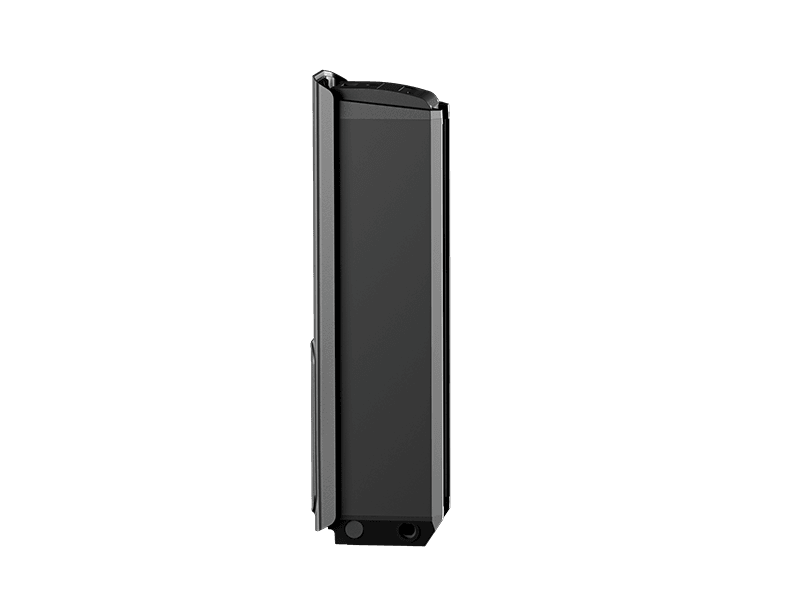
- a lithium-ion battery
- a controller system
- pedal assist sensors
- an LCD display
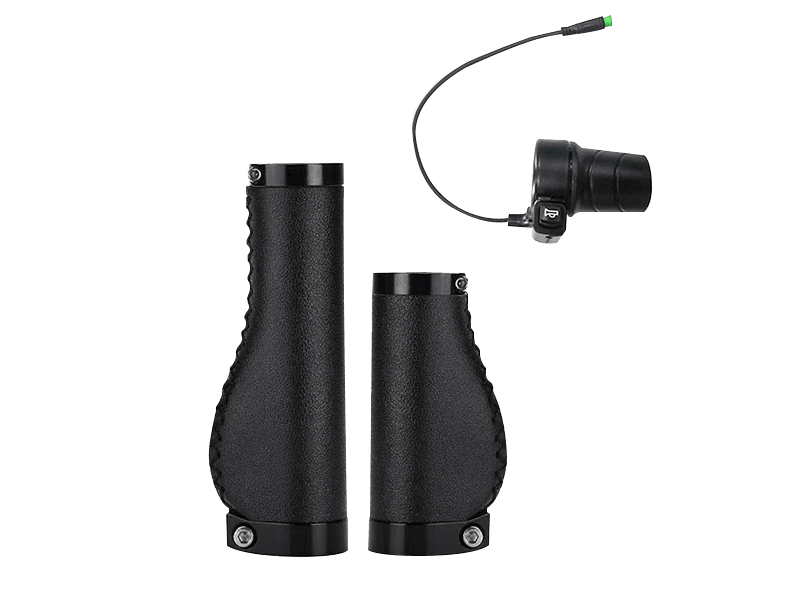
Many electric bikes also include a throttle, allowing riders to accelerate without pedaling.
For many new riders, an ebike feels surprisingly similar to a traditional bicycle — just with extra support when climbing hills, accelerating from stops, or riding longer distances.
How Does an Electric Bike Work?
Electric bikes operate through two primary systems: pedal assist and throttle control.
Pedal Assist
Pedal assist activates the motor only while you are pedaling. Sensors detect your cadence or pedaling force and provide proportional assistance.
Most riders prefer pedal assist because it creates a smooth and natural riding experience while still providing exercise.
Pedal assist levels are usually adjustable, allowing riders to choose between:
- maximum efficiency
- balanced support
- high-power assistance for hills or strong headwinds
Throttle Control
Throttle-equipped ebikes allow the motor to propel the bike without pedaling.
This feature is especially useful for:
- starting from traffic lights
- climbing steep inclines
- carrying cargo
- reducing fatigue during long rides
Class 2 electric bikes commonly combine both pedal assist and throttle functionality, making them one of the most versatile options for everyday riders.
Hub Motor vs Mid-Drive Motor: What’s the Difference?
Understanding motor placement is important when choosing an ebike.
Hub Motors
Hub motors are installed inside the front or rear wheel.
Advantages:
lower cost
simpler maintenance
smooth acceleration
ideal for commuting and casual riding
Rear hub motors are especially popular on fat tire and commuter ebikes.
Mid-Drive Motors
Mid-drive motors are positioned near the bike’s crankset.
Advantages:
better hill climbing
improved weight distribution
more natural riding feel
higher efficiency on steep terrain
Mid-drive systems are common on premium mountain and performance-oriented ebikes.
For most beginners and urban riders, a quality rear hub motor provides excellent performance at a more affordable price.
Riders who regularly deal with steep hills, loose terrain, or heavier cargo may benefit more from higher-torque systems or dual-motor electric bikes designed for demanding riding conditions.
What Type of Electric Bike Should You Buy?
The best electric bike depends on how and where you plan to ride.
Commuter Electric Bikes
Commuter ebikes are designed for daily transportation and city riding.

Most commuters prefer comfort, reliability, and moderate motor power over extreme speed.
Fat Tire Electric Bikes
Fat tire ebikes use oversized tires for increased traction and comfort.
Best for:
- snow
- sand
- gravel
- rough roads
- off-road trails
The wider tires absorb road vibration and improve stability, making them popular among adventure riders and heavier riders.
Many riders also choose fat tire electric bikes for year-round riding in unpredictable weather conditions.
Folding Electric Bikes
Folding ebikes prioritize portability and storage convenience.
Best for:
- apartment living
- RV travel
- public transportation
- limited storage space
While generally smaller and lighter, folding ebikes may offer shorter range and lower power compared to full-sized models.
Cargo Electric Bikes
Cargo ebikes are built to carry:
- groceries
- children
- work equipment
- heavy loads
Their stronger frames and larger batteries make them practical car replacements for many families.
How Much Motor Power Do You Need?
Motor power significantly affects acceleration, climbing ability, and riding feel.
Most electric bikes range from 250W to 1000W or more.

For most beginners, a 500W or 750W electric bike offers the best balance of performance and efficiency.
Riders living in hilly areas or carrying additional cargo often benefit from higher torque motors.
Dual-motor ebikes provide exceptional traction and climbing capability, especially for off-road riding and challenging terrain.
Best ebikes for hill climbing.
Understanding Ebike Battery Range
Battery range is one of the most important factors when buying an electric bike.
Most electric bikes can travel between 25 and 80 miles on a single charge depending on:
- battery size
- terrain
- rider weight
- wind conditions
- assist level
- tire pressure
- temperature
What Do Ah and Wh Mean?
Battery capacity is commonly measured in amp-hours (Ah) and watt-hours (Wh).
Higher watt-hour ratings generally mean longer riding range.
For example:
- 48V 15Ah battery = 720Wh
- 48V 30Ah battery = 1440Wh
Larger batteries are especially useful for:
- long-distance commuting
- adventure riding
- cold-weather riding
- higher assist levels
Riders planning longer commutes, weekend adventures, or all-day rides often prefer larger-capacity batteries because they reduce charging frequency and provide greater range confidence.
Long-range electric bikes with dual-battery systems have also become increasingly popular among riders who regularly travel extended distances or ride in colder weather conditions.
How Far Can an Ebike Go on One Charge?
Most riders realistically achieve:
- 25–40 miles using high assist levels
- 40–70 miles using moderate assist
- 70+ miles using low assist and efficient riding habits
Cold temperatures can temporarily reduce lithium battery efficiency, which is why winter riders often notice shorter range.
If your daily commute is 20 miles round trip, choosing an ebike with at least 40–50 miles of realistic range provides a comfortable safety margin.
Cadence Sensor vs Torque Sensor
This is one of the biggest differences in riding feel.

Cadence sensors are common on entry-level and recreational ebikes because they are simple and comfortable.
Torque sensors feel more responsive and intuitive because motor output changes according to how hard you pedal.
Many experienced riders prefer torque sensors for:
- smoother acceleration
- better control
- more bicycle-like handling
Class 1 vs Class 2 vs Class 3 Ebikes
Electric bikes in the United States are generally divided into three classes.
Class 1 Ebikes
- Pedal assist only
- Maximum assisted speed: 20 mph
Best for:
- bike paths
- recreational trails
- casual commuting
Class 2 Ebikes
- Pedal assist + throttle
- Maximum assisted speed: 20 mph
Best for:
- versatile everyday riding
- urban commuting
- riders who want throttle support
Class 2 models remain one of the most popular categories because they balance convenience and accessibility.
Class 3 Ebikes
- Pedal assist only
- Maximum assisted speed: 28 mph
Best for:
- road commuting
- faster travel
- experienced riders
Some bike paths and trails restrict Class 3 ebikes, so checking local regulations is important before purchasing.
How Much Should You Spend on an Electric Bike?
Most quality electric bikes cost between $1,500 and $3,500.
Entry-Level Ebikes ($800–$1,500)
Suitable for:
- casual riding
- short commutes
- flat terrain
However, lower-priced ebikes may use:
- smaller batteries
- weaker motors
- lower-quality brakes
- less reliable components
Mid-Range Ebikes ($1,500–$3,000)
This is the sweet spot for most riders.
Typically includes:
- stronger motors
- longer battery range
- hydraulic brakes
- better ride comfort
- improved reliability
Most commuters and recreational riders find the best value in this category.
Premium Ebikes ($3,000+)
Designed for:
- long-distance riding
- off-road performance
- cargo hauling
- advanced suspension systems
Premium models often include larger batteries, torque sensors, and high-end drivetrain components.
What Size Electric Bike Do I Need?
Choosing the correct frame size improves:
- comfort
- control
- riding efficiency
Most ebike brands provide height recommendations based on rider measurements.
In general:
- riders under 5'5" often prefer smaller frames or step-through models
- riders between 5'6" and 5'10" typically fit medium frames
- taller riders may require large or extended frames
Step-through electric bikes are especially popular among:
- commuters
- seniors
- riders prioritizing comfort
- riders with limited mobility
Are Electric Bikes Worth It?
For many riders, electric bikes quickly become one of the most practical purchases they make.
Ebikes can help:
- reduce commuting costs
- replace short car trips
- make exercise more accessible
- encourage outdoor activity
- reduce physical strain on hills
Many first-time riders are surprised that ebikes still provide meaningful exercise. The motor simply reduces fatigue and makes riding more approachable for a wider range of people.
Compared to rising fuel, parking, and transportation costs, electric bikes can provide long-term savings while offering greater flexibility and enjoyment.
Essential Safety Gear for Electric Bike Riders
A quality helmet should always be considered mandatory.
Additional safety essentials include:
- front and rear lights
- reflective clothing
- gloves
- mirrors
- durable bike locks
Because ebikes are heavier and faster than traditional bicycles, hydraulic disc brakes and high-visibility lighting are especially valuable.
For urban riders, investing in a strong U-lock or chain lock is highly recommended.
How to Maintain an Electric Bike
Proper maintenance improves both performance and lifespan.
Battery Care
- avoid extreme temperatures
- avoid full battery depletion
- use the recommended charger
- store indoors when possible
Tire Pressure
Underinflated tires:
- reduce range
- increase wear
- decrease handling stability
Check tire pressure regularly.
Drivetrain Maintenance
Keep the chain:
- clean
- lubricated
- free of debris
Ebikes place additional stress on drivetrains because of higher motor torque.
Professional Service
Annual tune-ups help maintain:
- brake performance
- electrical systems
- drivetrain efficiency
Finding a local shop familiar with ebike systems can make long-term ownership much easier.
7 Questions to Ask Before Buying an Electric Bike
Before purchasing an ebike, ask yourself:
1. What type of riding will I do most often?
2. How much range do I realistically need?
3. Will I ride on hills, snow, sand, or trails?
4. Do I want throttle functionality?
5. Is the bike comfortable for my height and riding style?
6. Is local service available for this brand?
7. Does the total budget include safety accessories and locks?
Answering these questions helps narrow down the best ebike for your lifestyle and budget.
Final Thoughts
Choosing the right electric bike does not need to feel overwhelming.
For most beginners, the ideal ebike is not necessarily the fastest or most expensive model. Instead, it is the bike that best matches your daily riding habits, comfort preferences, and local terrain.
Whether you need a lightweight commuter ebike for city streets, a dual motor electric bike for outdoor adventures, or a long-range electric bike for extended travel, understanding the basics of motor power, battery range, and riding style will help you make a far more confident buying decision.
Share


