How to Ride an Electric Bike for the First Time A Beginner’s Guide

Riding an electric bike for the first time is an exciting experience. While e-bikes look similar to traditional bicycles, the added motor and battery change how they behave on the road. The good news is that you don’t need special skills to get started—just a clear understanding of how the system works and a few basic riding techniques.

This guide walks you through everything you need to know, from choosing the right e-bike to riding safely in traffic and handling common issues.

Preparing Your E-bike Before the First Ride

A proper setup ensures comfort, control, and safety. Before you ride, take time to understand your e-bike type, adjust the fit, and check that all components are working correctly.

Choosing the Right Type of E-bike

E-bikes are designed for different riding scenarios:

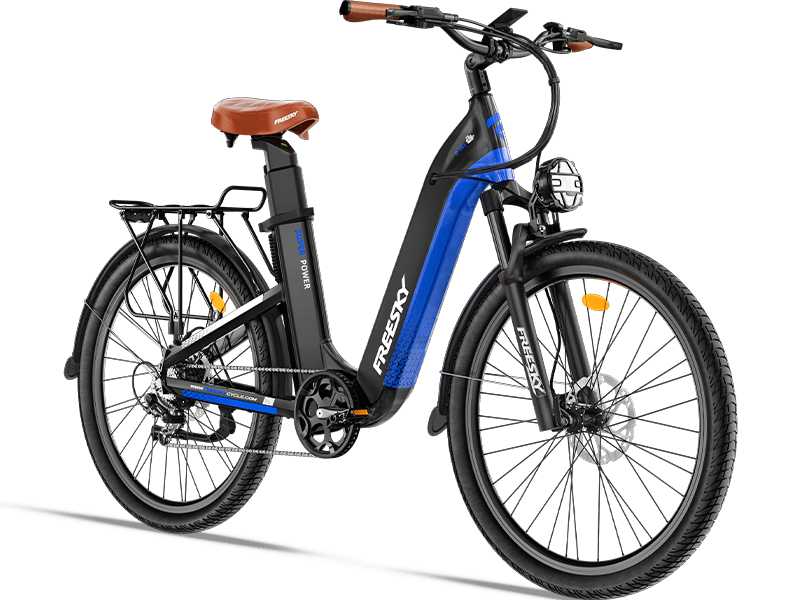
- Commuter e-bikes are ideal for daily city travel. They often include racks, fenders, and comfortable riding positions.

- Electric mountain bikes (e-MTBs) feature reinforced frames and suspension systems for off-road trails and uneven terrain.

- Folding e-bikes are compact and practical for riders with limited storage space or frequent public transport use.

Selecting the correct size is just as important as choosing the right category. When standing over the frame, you should be able to touch the ground comfortably. While seated, your leg should extend almost fully at the lowest pedal position, with a slight bend at the knee. A short test ride helps confirm whether adjustments are needed.

Understanding the Key Components of an E-bike

Most electric bikes rely on four core components working together:

- Motor: Positioned either in the wheel hub or near the pedals (mid-drive), providing assistance as you ride.

- Battery: Mounted on the frame or rear rack, supplying power to the motor.

- Display: Shows speed, battery status, and assistance level.

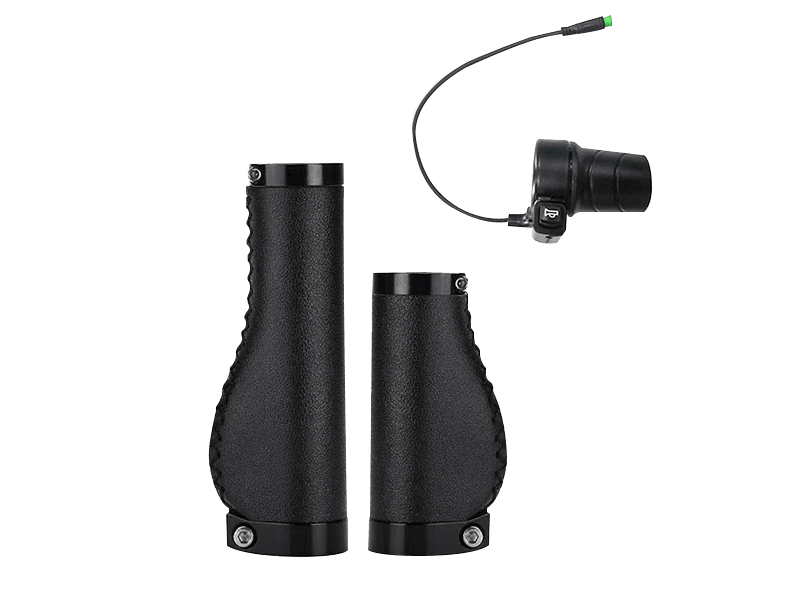
- Control unit: Handlebar-mounted buttons for adjusting assist modes and, on some models, activating a throttle.

Knowing where these parts are and how they interact will make your first ride more predictable and controlled.

Essential Safety Gear for E-bike Riders

Safety should always come first, especially when riding a faster, heavier bike.

Recommended gear includes:

- Helmet: Properly fitted, sitting level on your head and secure under the chin.

- Gloves: Improve grip and protect your hands.

- High-visibility clothing: Bright or reflective apparel helps others see you in traffic or low-light conditions.

In addition, familiarize yourself with local e-bike regulations. Speed limits, access to bike paths, and equipment requirements vary by region. Before every ride, perform a quick inspection: test the brakes, confirm the battery is locked in place, and inflate the tires to the recommended pressure listed on the sidewall.

Starting and Stopping an Electric Bike Safely

Mastering basic handling is essential for building confidence.

Mounting and Dismounting

Because e-bikes weigh more than traditional bicycles, stability is key:

1.Hold both brake levers firmly.

2.Stand beside the bike and keep it upright.

3.Swing one leg over the frame and sit down.

4.Place your feet on the pedals only when ready to move.

When stopping or dismounting, reverse the process and keep the brakes engaged to prevent unexpected movement.

Using Power Assist and Throttle Control

Once powered on, start with the lowest assistance level. This allows you to get used to how the motor responds to pedaling.

Typical assist levels work as follows:

- Low assist: Best for flat roads and conserving battery.

- Medium assist: Suitable for mild hills and steady cruising.

- High assist: Designed for steep climbs, strong headwinds, or faster acceleration.

If your e-bike includes a throttle, use it cautiously. Throttles deliver instant power and can be helpful in specific situations, but pedal assist is generally more efficient and easier to control, especially in crowded areas.

Improving Your Riding Skills on an E-bike

Once you’re comfortable with the basics, refining your technique will improve safety and performance.

Turning and Cornering

Approach corners with reduced speed and lower assist levels. Keep your inside pedal raised and look through the turn toward your exit path. Smooth, controlled movements help maintain balance and traction.

Riding on Different Surfaces

- Loose gravel: Slightly lift off the saddle and relax your arms to absorb vibrations.

- Wet pavement: Brake earlier, reduce assist, and avoid sharp turns.

- Uphill climbs: Shift to a lower gear before the incline begins.

- Downhill sections: Use light, intermittent braking rather than continuous pressure to maintain control.

Extending Battery Range

Efficient riding habits can significantly increase your range:

- Use higher assist only when necessary.

- Take advantage of downhill sections by reducing or turning off assistance.

- Anticipate stops to avoid frequent acceleration.

- Consider wind direction when planning longer routes.

Smart energy management not only extends battery life but also creates a smoother riding experience.

Traffic Rules and Shared Path Etiquette

In most regions, e-bike riders follow the same traffic laws as traditional cyclists. Obey traffic signals, use bike lanes where available, and ride predictably.

When sharing paths with pedestrians:

- Yield to walkers.

- Signal your presence verbally or with a bell.

- Pass slowly and only when there is enough space.

Always remain aware that e-bikes are quieter and faster than regular bikes, which means others may not notice you approaching.

Solving Common E-bike Issues

Battery Runs Out Mid-Ride

If the battery is depleted, the bike still functions normally—just without assistance. Shift to an easier gear, pace yourself, and consider planning routes with backup options such as bike shops or public transport.

Unusual Noises

Routine maintenance can prevent most problems:

- Keep the chain clean and lubricated.

- Check tire pressure regularly.

- Clean brake rotors if you hear squealing.

- Wipe battery contacts occasionally to ensure good connection.

Performance Feels Off

Seek professional service if you notice braking issues, inconsistent motor output, or unusual vibrations. Electrical and mechanical systems are best handled by experienced technicians.

Enjoy Your E-bike Experience

Electric bikes make cycling more accessible, efficient, and enjoyable. With a basic understanding of the components, proper safety habits, and steady practice, most riders gain confidence quickly. Whether you’re commuting, exploring trails, or riding for leisure, an e-bike opens up new possibilities.

If you’re still unsure, visiting a local bike shop or renting an e-bike for a short ride is an excellent way to experience the benefits firsthand. Once you start riding, it often becomes a habit you look forward to every day 🚲✨

More Posts

FREESKY Alaska Dual Battery FAQ: How the System Works, Range Explained & Battery Questions Answered

Jun 10, 2026 09:00

One of the most common questions about the FREESKY Alaska series is not about speed or motor power—it’s about how the dual-battery system actually works in real-world use. Can the bike run on just one battery? What happens if one battery fails? Why do some units use 18Ah + 23Ah while others use 18Ah + 27Ah? And how far can you really ride on a single charge? This guide explains the Alaska dual-battery system in a simple, practical way so riders can understand how the system behaves before and after purchase. Understanding the Alaska Dual-Battery System The Alaska series uses a dual-battery architecture to extend riding range and improve flexibility. Depending on production batch and configuration, the system may include: Battery Configurations Configuration Structure Total Capacity Standard System 18Ah + 23Ah 41Ah Upgraded System 18Ah + 27Ah 45Ah   Both systems follow the same working principle: two independent batteries working within one eBike system. 👉 You can view the latest configuration on the Alaska product page. How Does the Dual-Battery System Work? The Alaska dual-battery system is designed to manage power automatically. In normal riding conditions: - The system draws power from the batteries in a controlled way- No manual switching is required- Riders do not need to operate batteries separately- The system ensures stable output during riding Key point: 👉 The dual-battery system is designed for extended range, not increased speed Do Both Batteries Need to Be Installed or Working? No. The bike can operate with only one working battery. If one battery is removed, damaged, or not functioning: - The remaining battery can still power the bike- Pedal assist and throttle functions remain available- The bike can still be used normally If One Battery Fails, Can I Still Ride? Yes. As long as one battery is functional, the bike can continue operating. Common situations include: - One battery stops charging- One battery is removed for servicing- One battery reaches end of lifespan In all cases, the remaining battery can still power the system. Do I Need to Replace Both Batteries If One Fails? No. Each battery in the Alaska system is independent. If one battery fails: - You only need to replace the defective one- The other battery can continue being used normally This reduces maintenance cost and avoids unnecessary replacement. How Far Can You Ride with One Battery vs Two Batteries? Range depends on configuration, riding mode, and conditions. Standard System (18Ah + 23Ah) Setup Estimated Range* 18Ah Battery Only 45–80+ miles 23Ah Battery Only 60–100+ miles Dual Battery Up to 160 miles Upgraded System (18Ah + 27Ah) Setup Estimated Range* 18Ah Battery Only 45–80+ miles 27Ah Battery Only 70–120+ miles Dual Battery 120–200+ miles   *Actual range varies based on rider weight, terrain, wind, temperature, tire pressure, and assist level. 👉 Full product details: Alaska Pro product page. Why Do Two Alaska Systems Have Different Battery Capacities? The difference between 41Ah and 45Ah systems comes from: - Different production batches- Continuous product optimization- Improved lower-frame battery capacity However, both systems share the same core design philosophy: - Dual independent batteries- Same riding behavior- Same operational logic The difference mainly affects total range potential, not usability. Is the Advertised 120–200+ Mile Range Real? Yes, but only under optimized riding conditions. Maximum range is typically achieved with: - Low pedal assist levels (PAS 1–2)- Flat or mild terrain- Moderate riding speed- Proper tire pressure- Efficient riding style Real-world range will vary based on usage habits. Does Throttle-Only Riding Reduce Range? Yes, significantly. There are two main riding modes: Pedal Assist (PAS): rider + motor share workloadThrottle Only: motor provides full power Range impact: Mode Range Impact Low PAS Maximum efficiency Medium PAS Balanced performance High PAS Reduced range Throttle Only Shortest range   If maximum mileage is the goal, pedal assist is recommended. Does One Battery Affect Speed or Power? No. Top speed and motor output are controlled by the motor and controller system. Battery configuration mainly affects: - Riding range- Charging frequency Not performance or speed. Do I Need to Charge Both Batteries Together? No. You can: - Charge both batteries at the same time- Charge individually- Charge only one battery if needed For long-term balance, keeping both batteries at similar charge levels is recommended. Why Use a Dual-Battery System Instead of One Large Battery? The dual-battery system offers: - Better weight distribution- Easier battery replacement- Increased flexibility- Higher total energy capacity- Redundancy (one battery can still run the bike) This makes the system more practical for long-distance riding. Final Thoughts The FREESKY Alaska dual-battery system is designed to balance long-range capability with real-world usability. Key takeaways: - Alaska uses either 18Ah + 23Ah (41Ah) or 18Ah + 27Ah (45Ah) configurations- The bike can operate with only one battery- You do not need to replace both batteries if one fails- Dual batteries primarily increase range, not speed- Throttle-only riding results in shorter range than PAS riding- The system is designed for flexibility, redundancy, and long-distance riding View full specifications on the Alaska product page

Read More

5 Reasons an eBike Is the Perfect Father’s Day Gift

Jun 08, 2026 09:00

Every Father's Day, the same gift ideas seem to make the rounds: smartwatches, headphones, grilling tools, tablets, or another gadget that feels exciting for a few weeks before ending up forgotten in a drawer. But if you want to give Dad something he'll actually use long after Father's Day is over, a fat tire electric bike can offer something most gadgets simply can't: real experiences. An eBike isn't just another gift to unbox. It creates opportunities for adventure, exploration, and quality time outdoors. It can turn ordinary errands into enjoyable rides, make weekend outings more exciting, and help Dad spend more time doing something he genuinely enjoys. Here are five reasons an eBike may be the best Father's Day gift this year. 1. An eBike Creates Memories, Not More Screen Time Most gadgets encourage us to spend more time looking at screens. An eBike does the opposite. Instead of scrolling through apps or sitting indoors, Dad can head outside to explore local trails, ride through the neighborhood, visit a favorite coffee shop, or enjoy a sunset ride after work. Some of the best memories aren't made in front of a screen. They're created while discovering a new route, riding with family, or spending a quiet morning outdoors. The best gifts aren't always the most high-tech. They're the ones that create stories worth telling. 2. It's Something He'll Actually Use Let's be honest: many Father's Day gadgets lose their appeal surprisingly quickly. An eBike is different because it naturally fits into everyday life. Many riders discover that a long-range electric bike becomes something they use several times a week rather than a gift that collects dust. Dad can use it to: - Commute to work- Run errands around town- Ride with family and friends- Explore local bike paths- Stay active outdoors- Replace short car trips- Enjoy weekend adventures The pedal-assist system makes riding easier and more enjoyable, even for people who haven't ridden a bike in years. That means it's not just a gift—it's something that becomes part of a daily routine. 3. eBikes Make Riding Fun Again One of the biggest reasons people fall in love with eBikes is simple: they make riding enjoyable. Hills feel less intimidating. Longer rides become more achievable. Headwinds become manageable. Riders can travel farther without feeling exhausted when they arrive. For many dads who used to ride more often—or have talked about getting back into cycling—an eBike removes many of the obstacles that make traditional cycling feel challenging. The result is often more confidence, more exploration, and more time spent outdoors. For dads who love adventure, models like the FREESKY Swift Horse Ultra electric bike are built to make every ride more exciting. With a powerful BAFANG motor, full suspension, and up to 140 miles of range, it gives riders the freedom to explore farther without worrying about battery life or challenging terrain. Whether it's a weekend trail ride, a beach trip, or discovering new backroads, the Swift Horse Ultra helps turn ordinary rides into memorable experiences. 4. It Encourages a More Active Lifestyle Unlike many gifts that encourage sitting still, an eBike encourages movement. One of the biggest misconceptions about eBikes is that riders aren't exercising. In reality, riders still pedal and stay active while enjoying assistance when they need it. Dad can choose how much effort he wants to put into every ride. Want a workout? Use a lower assist level. Want a relaxing cruise? Let the motor do more of the work. This flexibility makes riding more accessible and enjoyable, which often leads to greater consistency. Fresh air, sunshine, movement, and less time behind a screen? That's a combination many dads appreciate. 5. It's a Gift That Keeps Delivering All Summer Long Most Father's Day gifts come with a brief "wow" moment. An eBike keeps providing value every time Dad rides. A reliable commuter electric bike can make everything from everyday errands to weekend adventures more enjoyable throughout the summer. Summer is the perfect season for: - Weekend rides- Family outings- Campground cruising- Exploring local trails- Beach trips- Visiting nearby towns- Evening rides around the neighborhood Instead of being forgotten after a few weeks, an eBike becomes part of the entire season—and often many years beyond. And once Dad starts riding, don't be surprised if the rest of the family wants one too. Give Dad Something Better Than Another Gadget This Father's Day, skip the predictable tech gifts and choose something that brings freedom, adventure, and enjoyment into everyday life. An eBike isn't just a product. It's a reason to get outside, explore more, and create lasting memories. And unlike many gifts that lose their appeal over time, the benefits of riding continue long after Father's Day has passed. Find the Right Father's Day eBike Whether Dad enjoys weekend adventures, daily rides around town, or discovering new places with family, choosing the right eBike can make this Father's Day one he'll never forget. Explore our collection of electric bikes for adults and find a gift that keeps delivering long after Father's Day is over.

Read More

Last-Mile Transport Options for Football Events in the UK: How to Avoid Traffic and Parking Stress

Jun 05, 2026 09:00

Football in the UK is more than a sport—it’s a national travel event. From Premier League weekends in London and Manchester to Champions League nights and cup finals at Wembley Stadium, millions of fans move through the same transport networks at the same time. And while most people focus on tickets and kick-off time, the real challenge is often much simpler: How do you actually get to the stadium without getting stuck in crowds? For many fans, the experience isn’t ruined by the match—it’s shaped by the journey. Why Match Day Travel Gets So Congested in the UK Unlike car-heavy countries, UK match day congestion is built around a different system: trains, tubes, and walking routes. But the problem is the same—everyone moves at once. Typical issues include: - Overcrowded Tube stations before kick-off- Train delays on match days- Long queues at major interchange stations- Post-match rush on return services- Congestion around stadium exits and walking routes In cities like London, Manchester, and Birmingham, the final 1–3 miles often become the slowest part of the journey. Not because of distance—but because of volume. Major Stadiums & Match Day Travel Overview (UK) City Stadium Main Issue Travel Tip London Wembley Stadium Tube congestion Avoid peak station exits London Emirates Stadium Narrow station access Use alternative routes Manchester Old Trafford Rail bottlenecks Walk or cycle from station Manchester Etihad Stadium Event crowd flow Avoid main tram exits Birmingham Villa Park Limited rail capacity Plan return early Liverpool Anfield Road + bus congestion Arrive earlier than expected Newcastle St James’ Park Dense city centre Minimise central transfers Getting to the Stadium Is Not Just About Trains or Walking Most fans plan their journey like this: “Take the train to the city → walk to stadium” On paper, this works. In reality, match day changes everything: - Stations become temporary bottlenecks- Walking routes turn into slow-moving crowds- Ride-hailing becomes expensive and delayed- Exit times after the match are unpredictable This is why more fans are starting to rethink something important: The journey is not one route—it is multiple stages. A Smarter Strategy: Rethinking the Last Mile Instead of treating transport as a single journey, experienced fans now split it into three stages: 1.Travel to a main hub (train / tube / regional rail)2.Avoid the most congested interchange points3.Complete the final stretch using flexible local mobility This is where last-mile transport becomes critical. And in many UK cities, that last stretch is often only 1–5 miles—but can take disproportionately long during peak match hours. In real-world situations, this approach often works better than relying on ride-hailing services or walking through crowded exit routes. An electric bike can help fans bypass traffic bottlenecks, avoid long queues, and leave the stadium area more efficiently after the match. Some fans prefer commuter options such as the FREESKY Rocky Pro, especially for match days where last-mile transport can be unpredictable. With its torque-sensor pedal assist and long-range battery, it offers a practical way to navigate busy routes around football stadiums. For many supporters, parking a little farther away and riding the final stretch can be less stressful than dealing with congestion close to the venue. Why the “Last Few Miles” Matter Most The biggest delays rarely happen on long-distance travel. They happen here: - Leaving major stations like Wembley Park or Manchester Piccadilly- Crossing pedestrian congestion zones- Waiting for delayed connecting transport- Competing with thousands of fans exiting at the same time After the match, the situation reverses: - Tube queues can stretch far beyond stations- Train platforms become overloaded- Uber surge pricing spikes instantly This is why fans are increasingly looking for more predictable last-mile options. Best Last-Mile Transport Options for Football Events Different fans use different solutions depending on distance, city layout, and timing. 🚶 Walking Best for: short distances (under 1 mile) Pros: - Free- Simple- Reliable Cons: - Slow in crowds- Not ideal after late-night matches 🚇 Tube / Tram / Bus Best for: major city stadiums Pros: - Integrated network- Widely available Cons: - Severe match-day congestion- Delays during peak exit times 🚖 Ride-hailing Best for: off-peak travel Pros: Door-to-door convenience Cons: - Surge pricing- Traffic bottlenecks near stadiums 🚲 commuter electric bikes / electric bikes Best for: last-mile stadium access in urban UK environments For many fans, the most flexible option is now commuter electric bikes. They are increasingly used for: - Station → stadium transfers- Avoiding Tube exit congestion- Faster post-match departure- Navigating short urban distances without delays Unlike fixed transport, electric bikes allow fans to move independently of crowd flow. In cities like London or Manchester, a short ride can often replace a 20–40 minute crowded walk or delayed connection. Some riders prefer long-range electric bikes designed for urban commuting, especially for match days where timing matters. A Smarter Strategy: Split Your Journey A practical match-day approach looks like this: - Take national rail or Tube to a station outside peak congestion zones- Avoid the busiest interchange stations where possible- Use a flexible last-mile option (walk, tram, or electric bike)- Plan your return route before kick-off ends In many cases, arriving slightly further away and completing the last mile independently results in a faster overall journey. Plan Ahead, Enjoy the Match More Football match days are not just about the 90 minutes on the pitch. They are full-day travel experiences. Fans often spend more time: - Entering the stadium area- Waiting after the match- Navigating transport queues than actually watching the game. Planning how you move between these points can significantly change the experience. Even small improvements in last-mile travel can reduce stress and improve timing reliability.   The Game Starts Before Kick-Off The 2026 season and major UK football fixtures will bring even higher travel demand across cities. While most attention goes to fixtures and results, the real difference in experience often comes down to something simpler: How smoothly you get in—and how quickly you get out. That’s why more fans are now rethinking last-mile transport as part of match-day planning. Because once the journey becomes predictable, the match becomes easier to enjoy. And in many ways, the experience starts long before you reach the stadium.

Read More

0
Bike Comparison